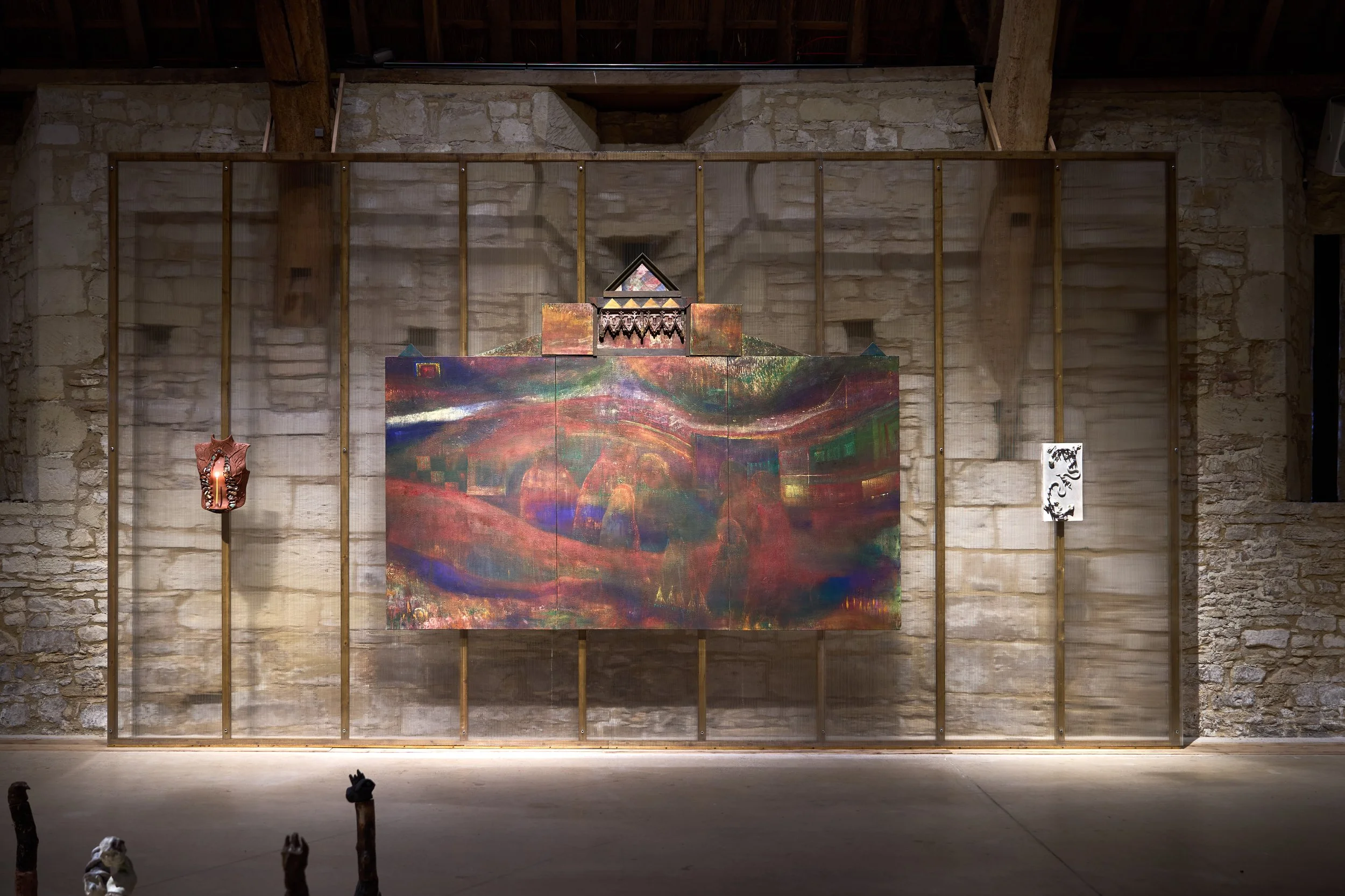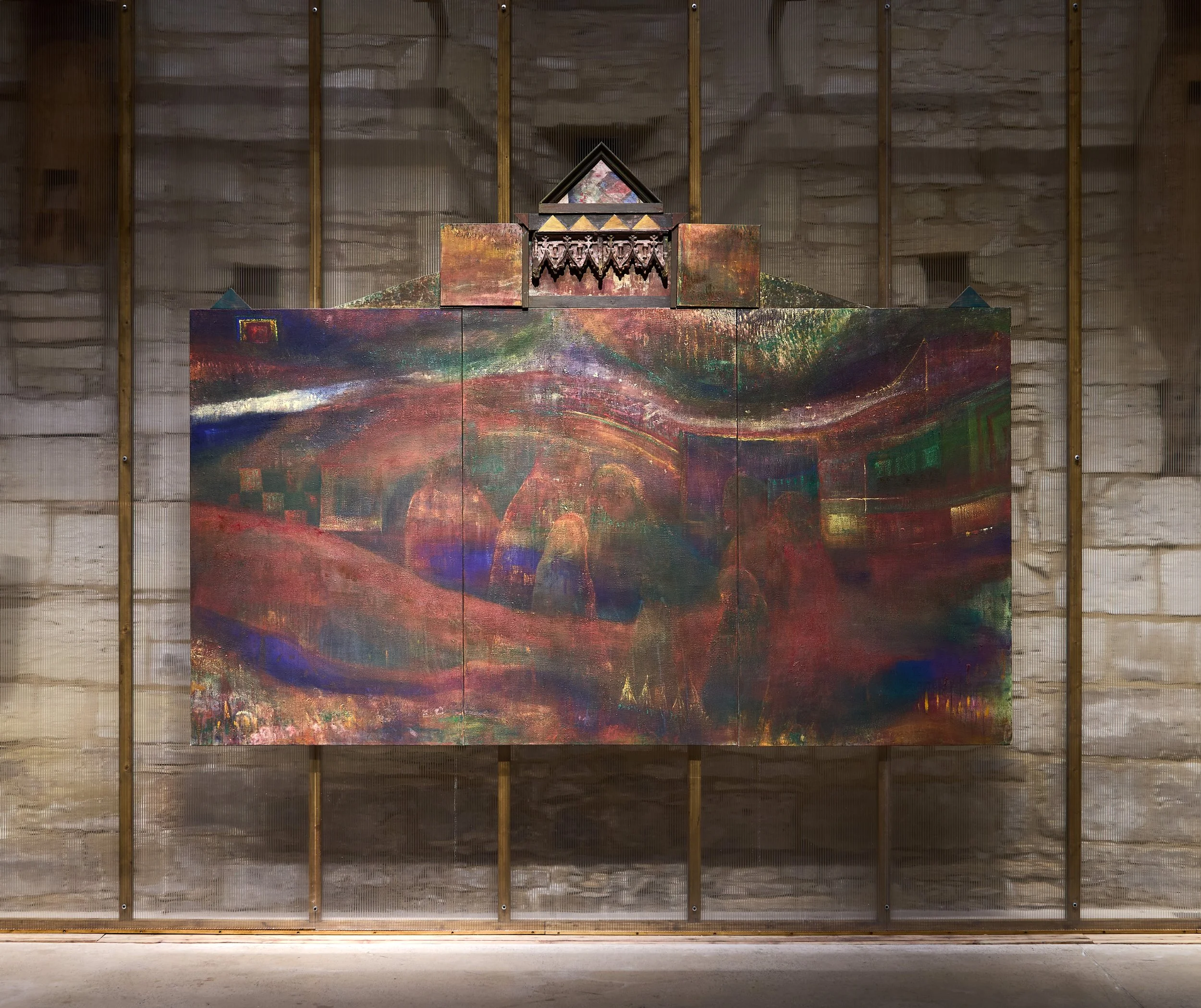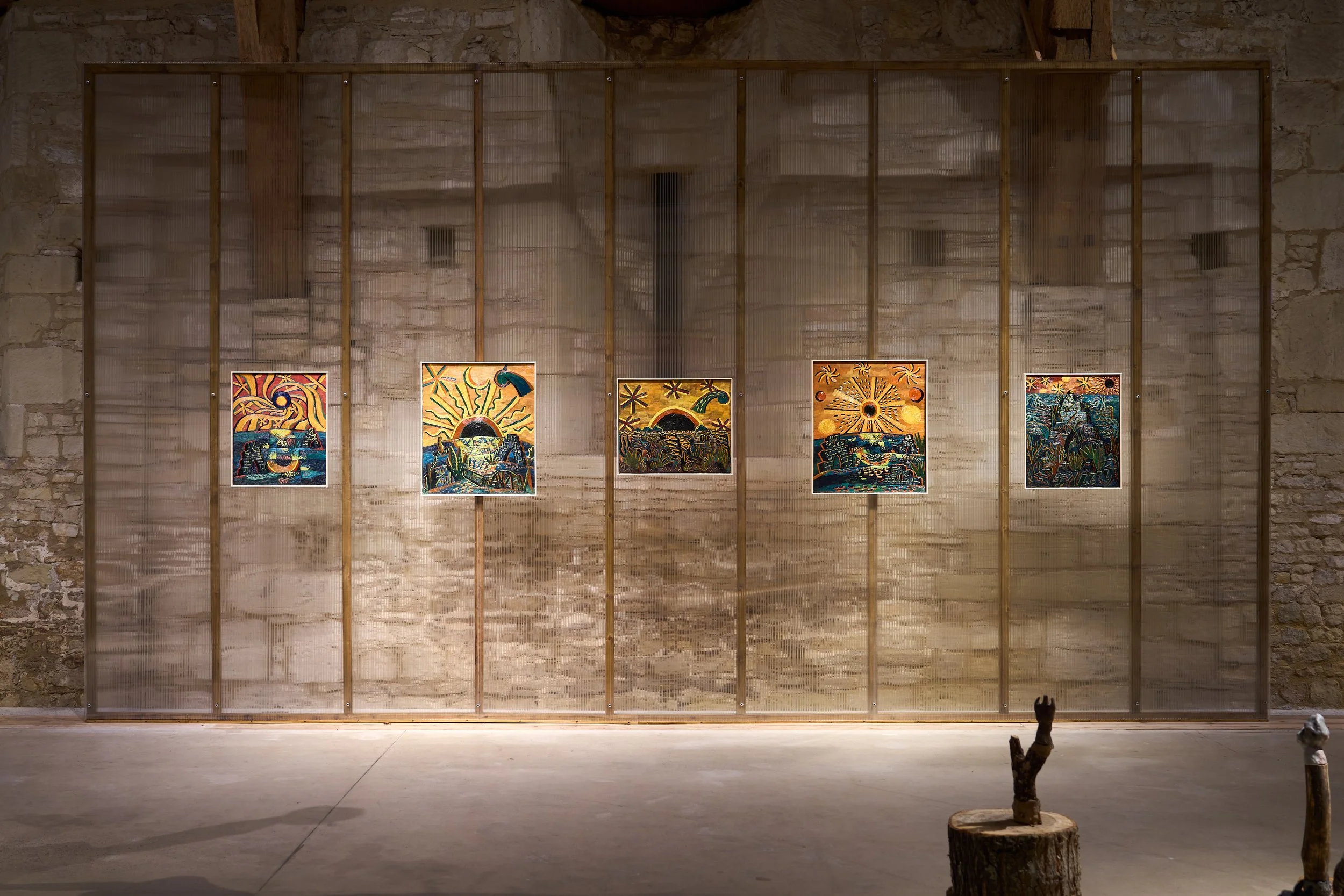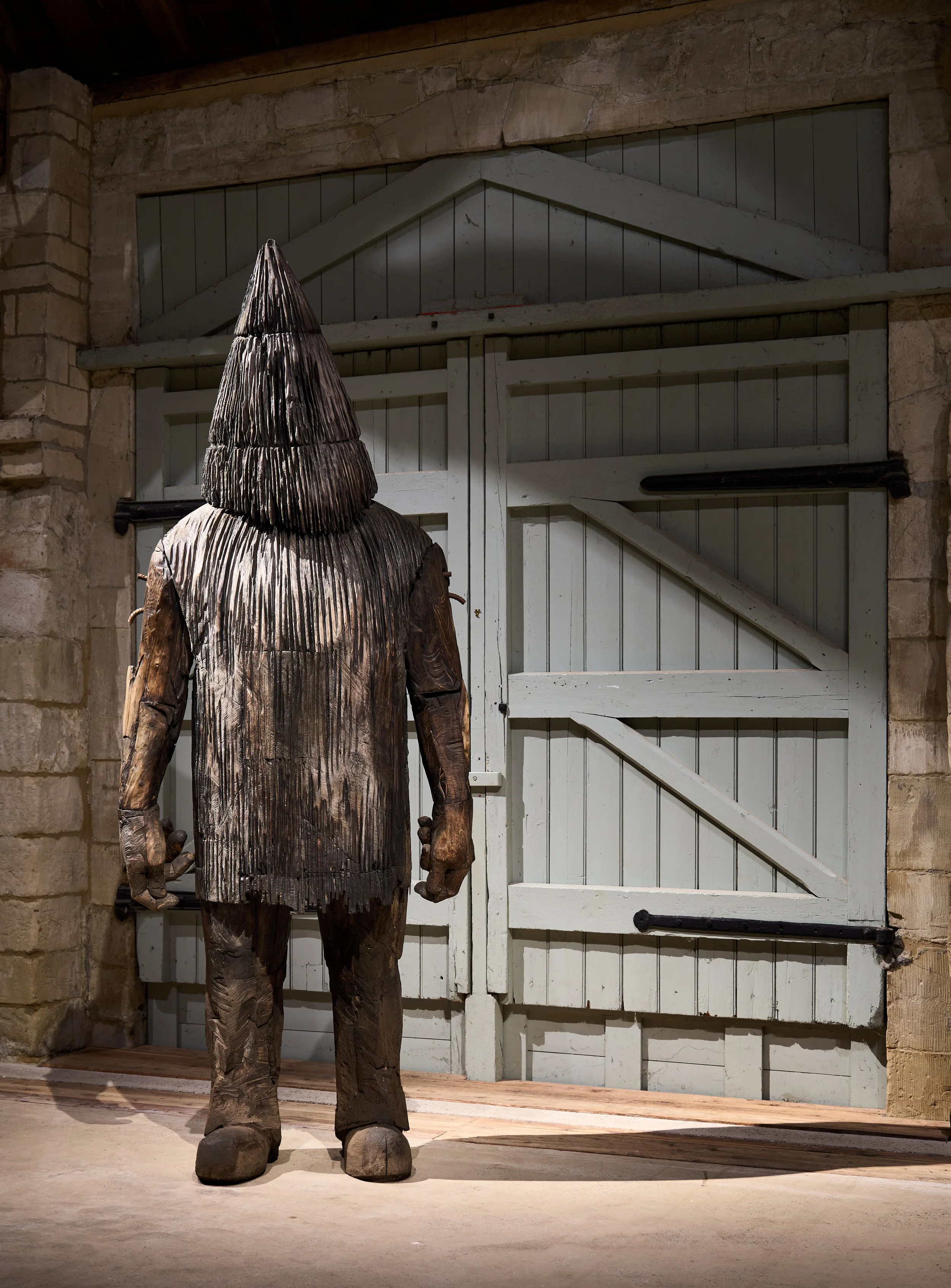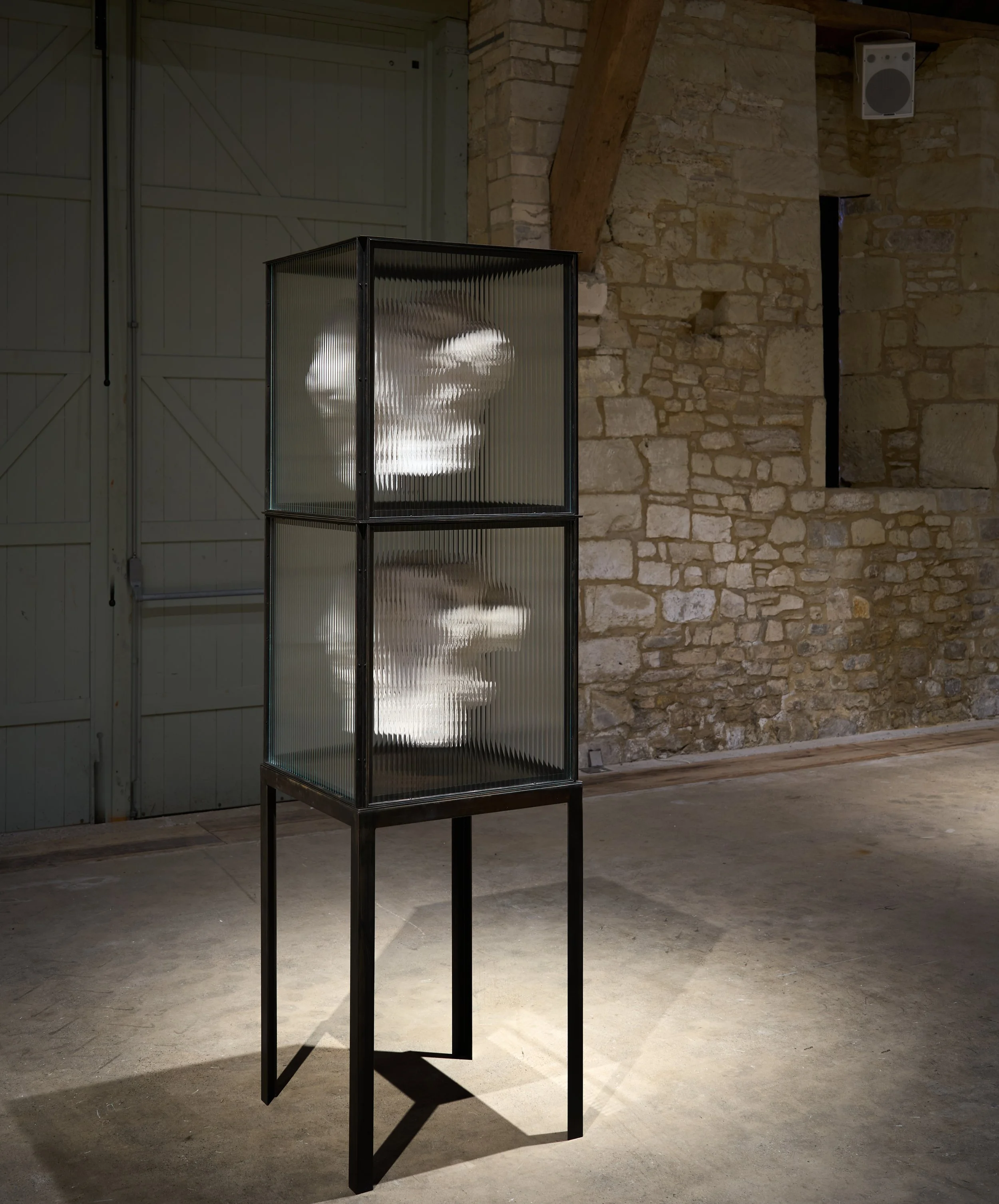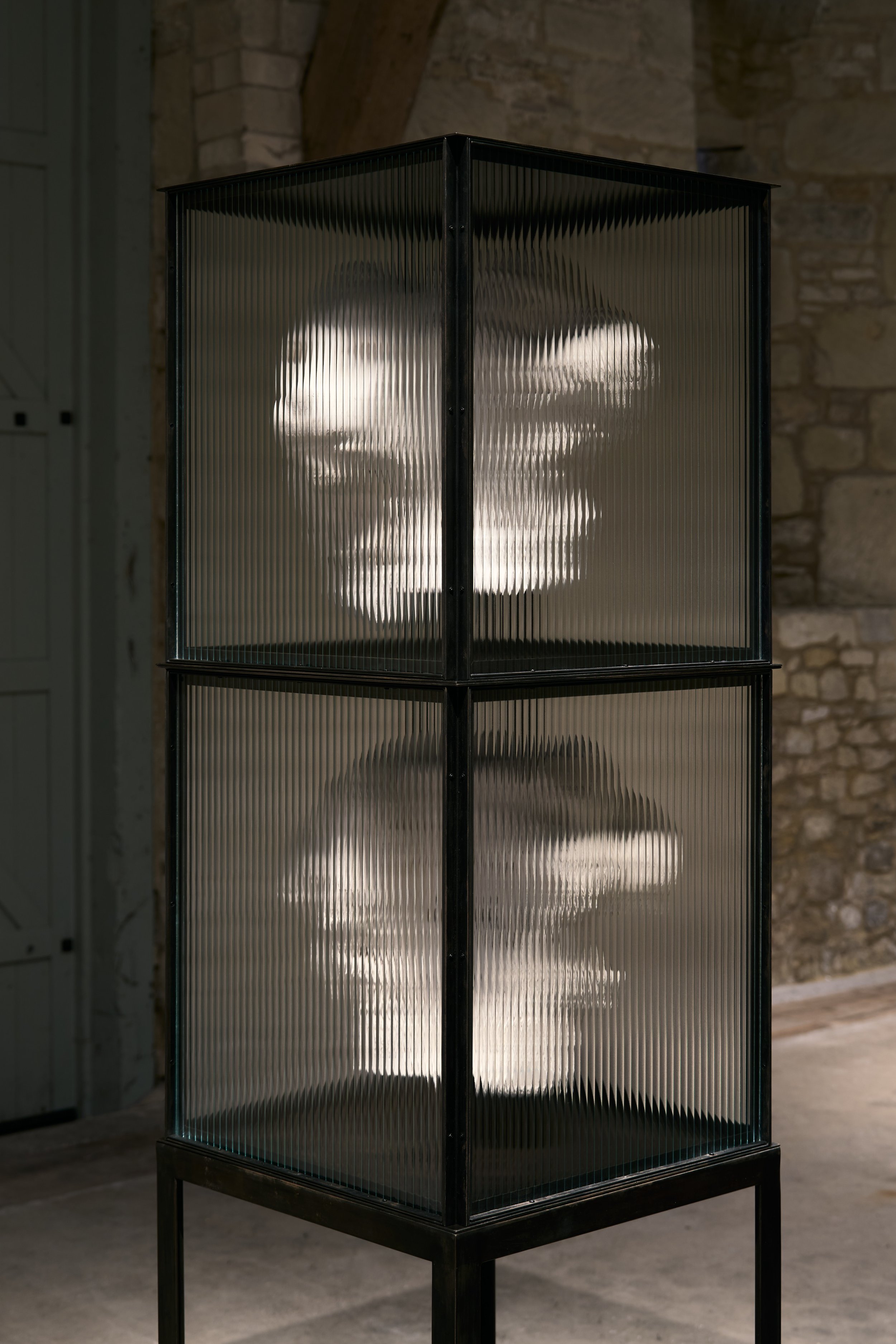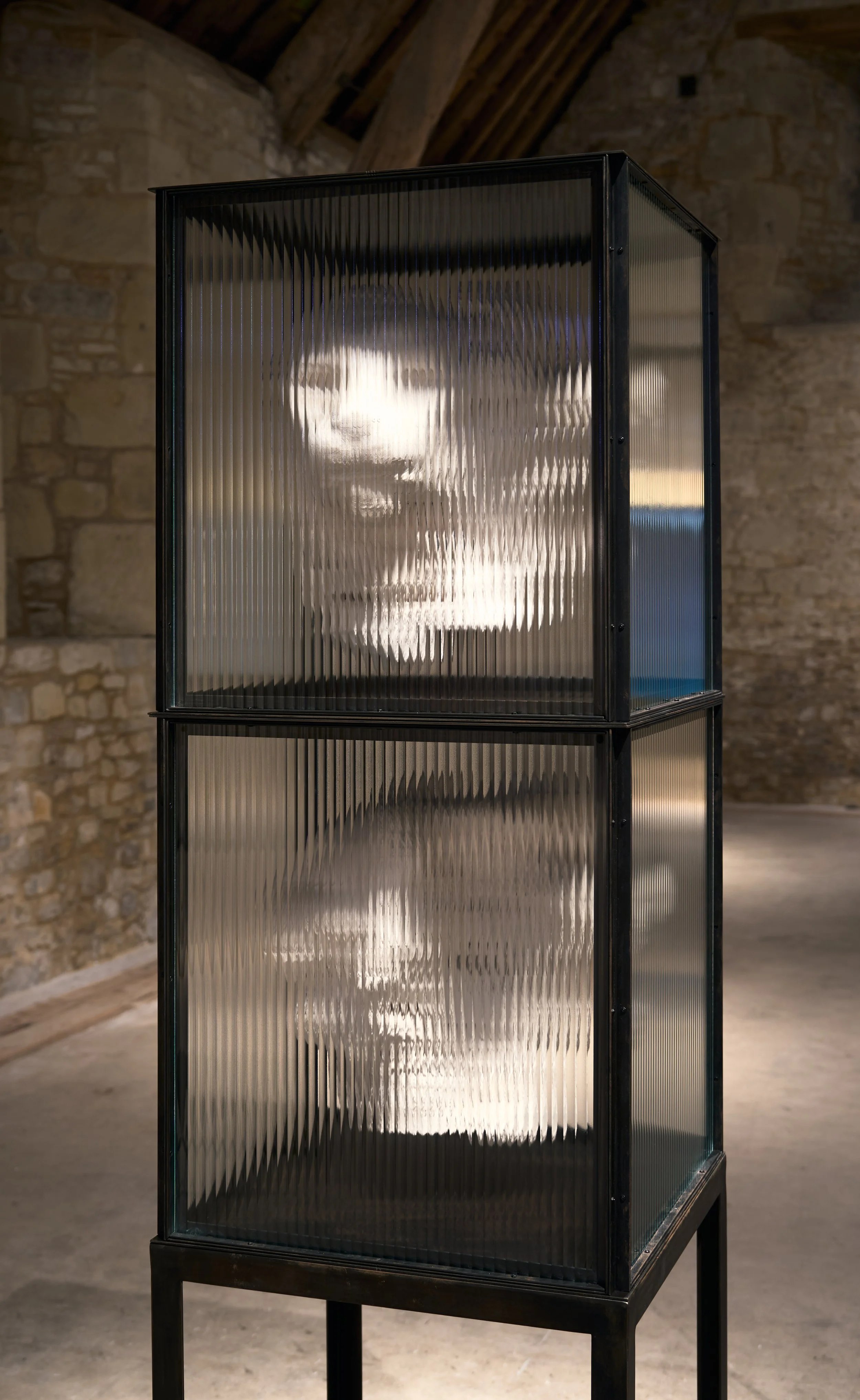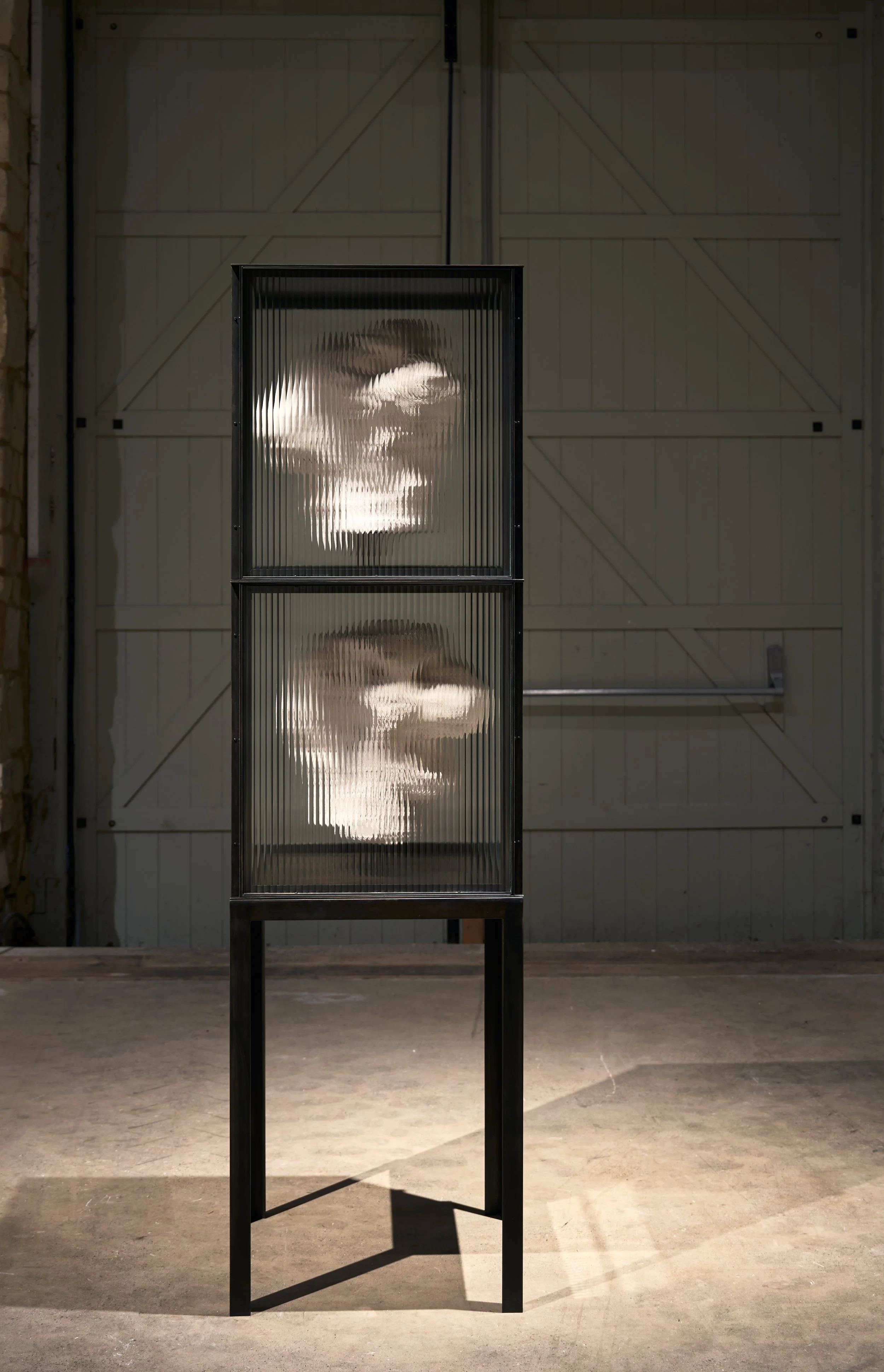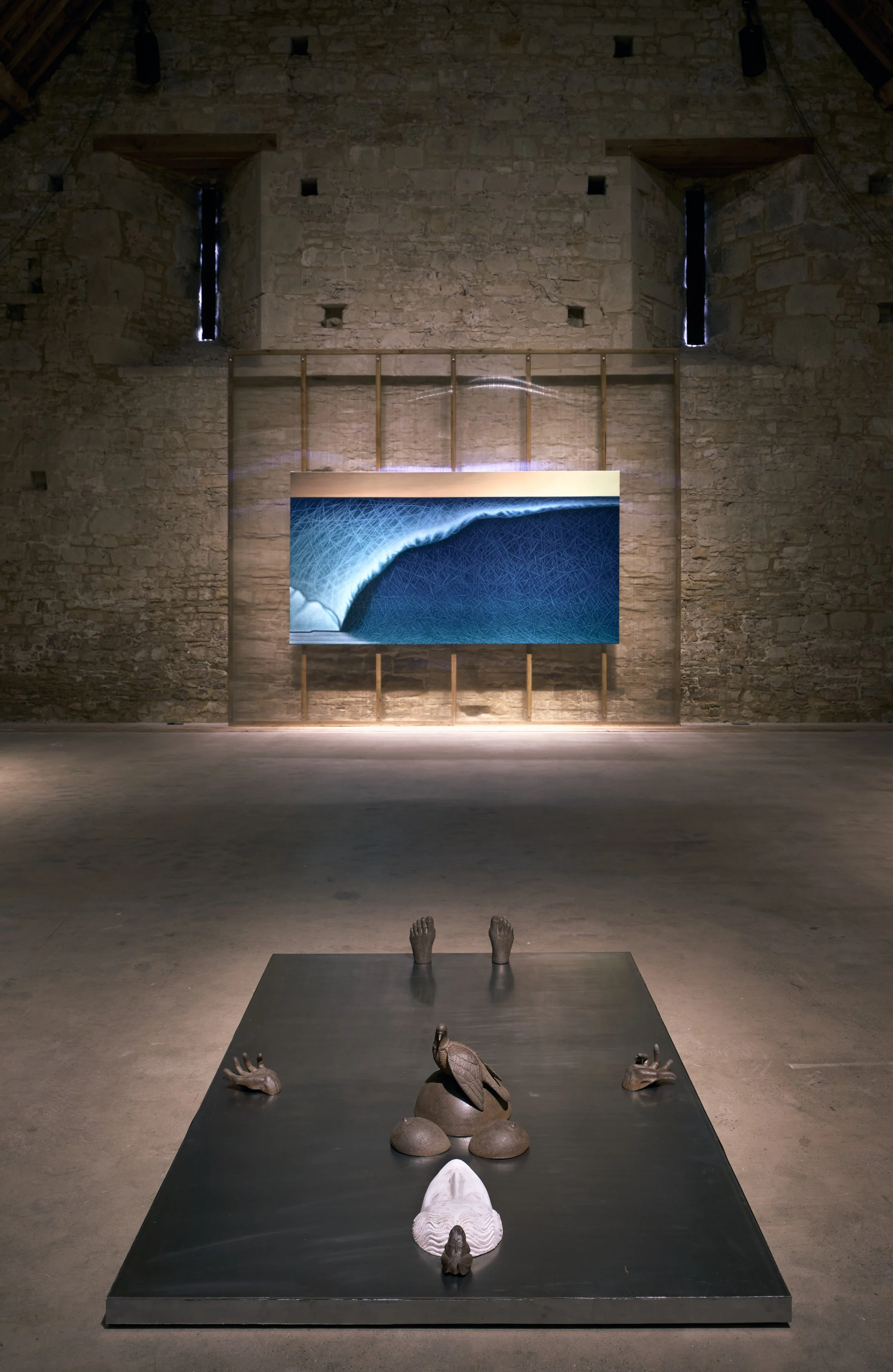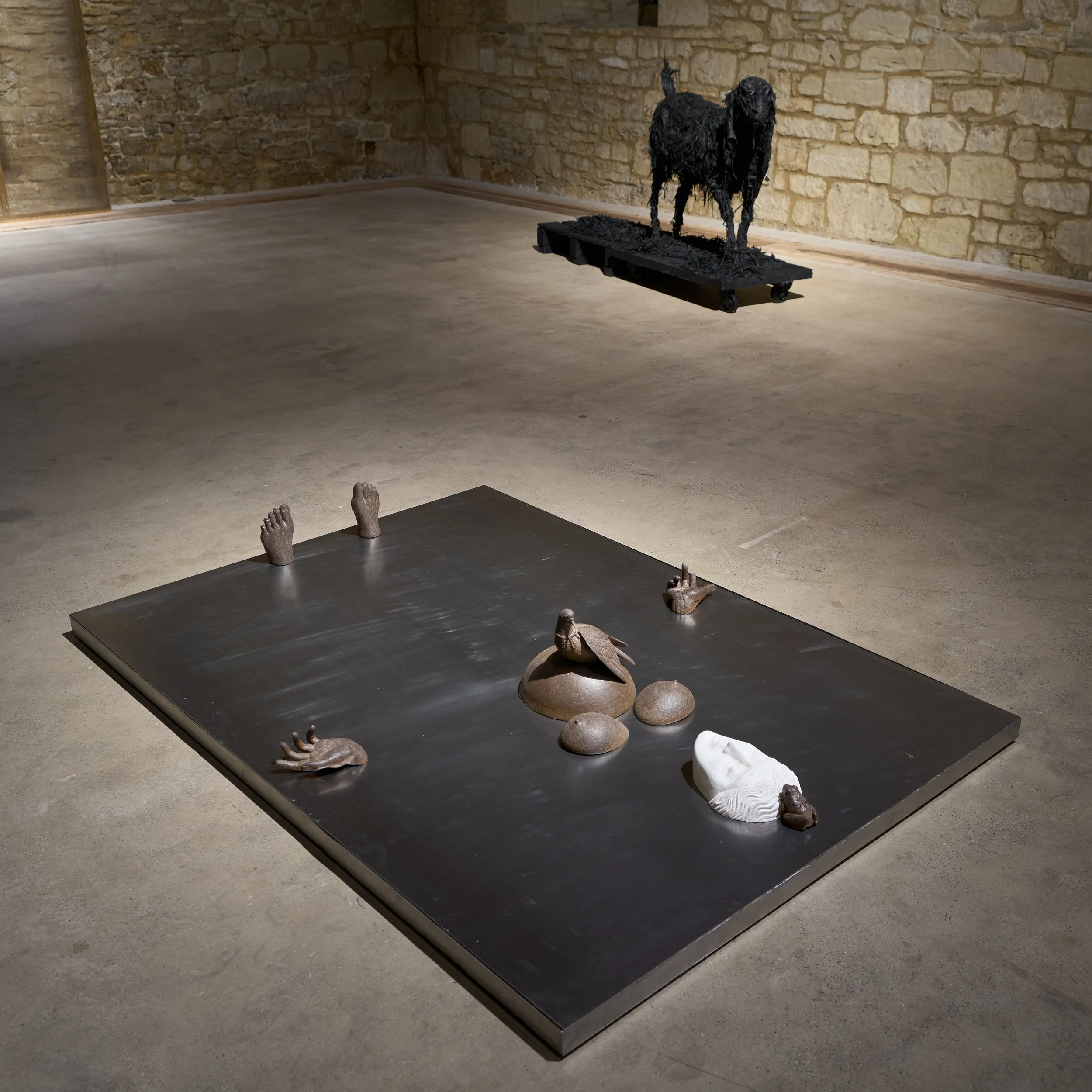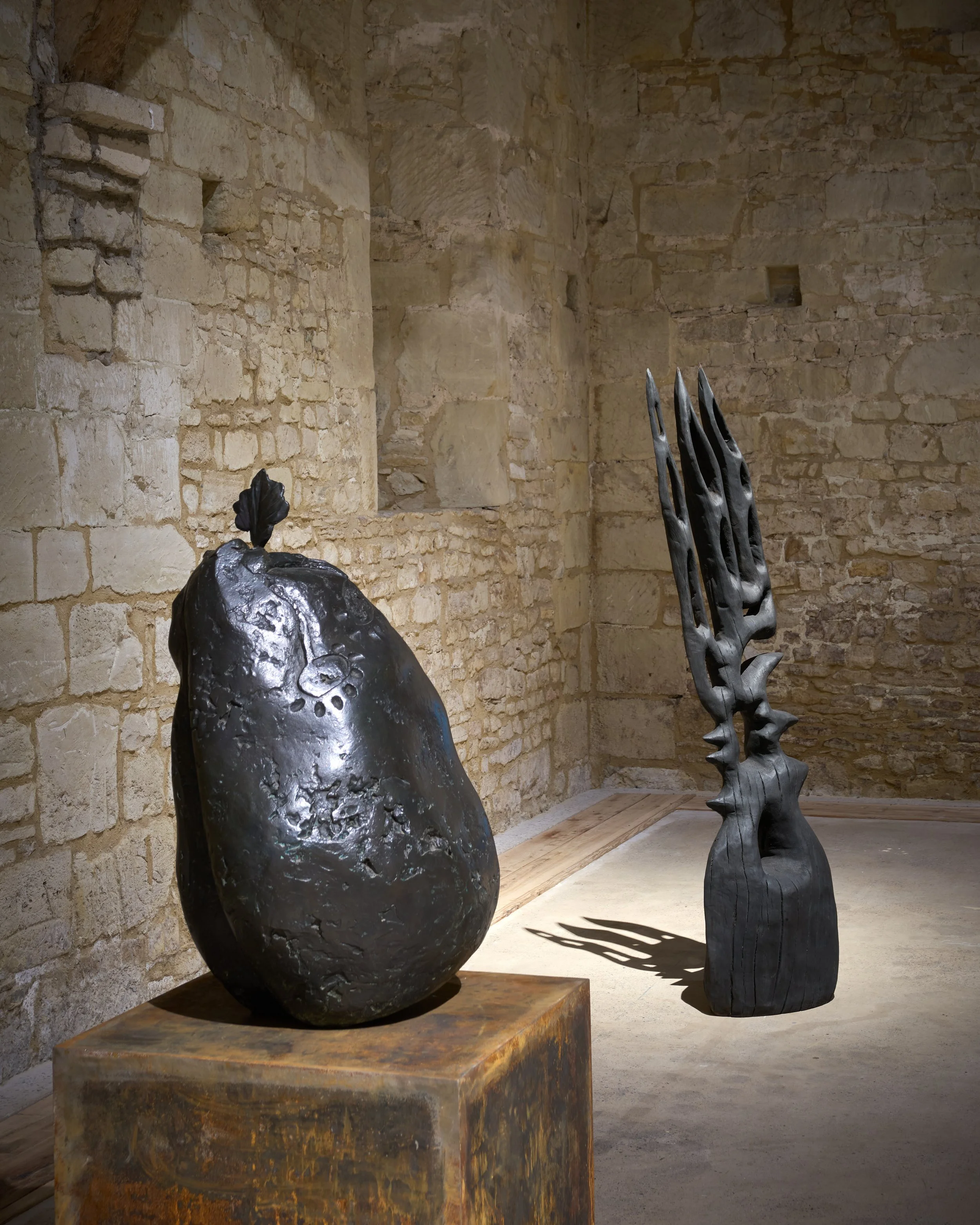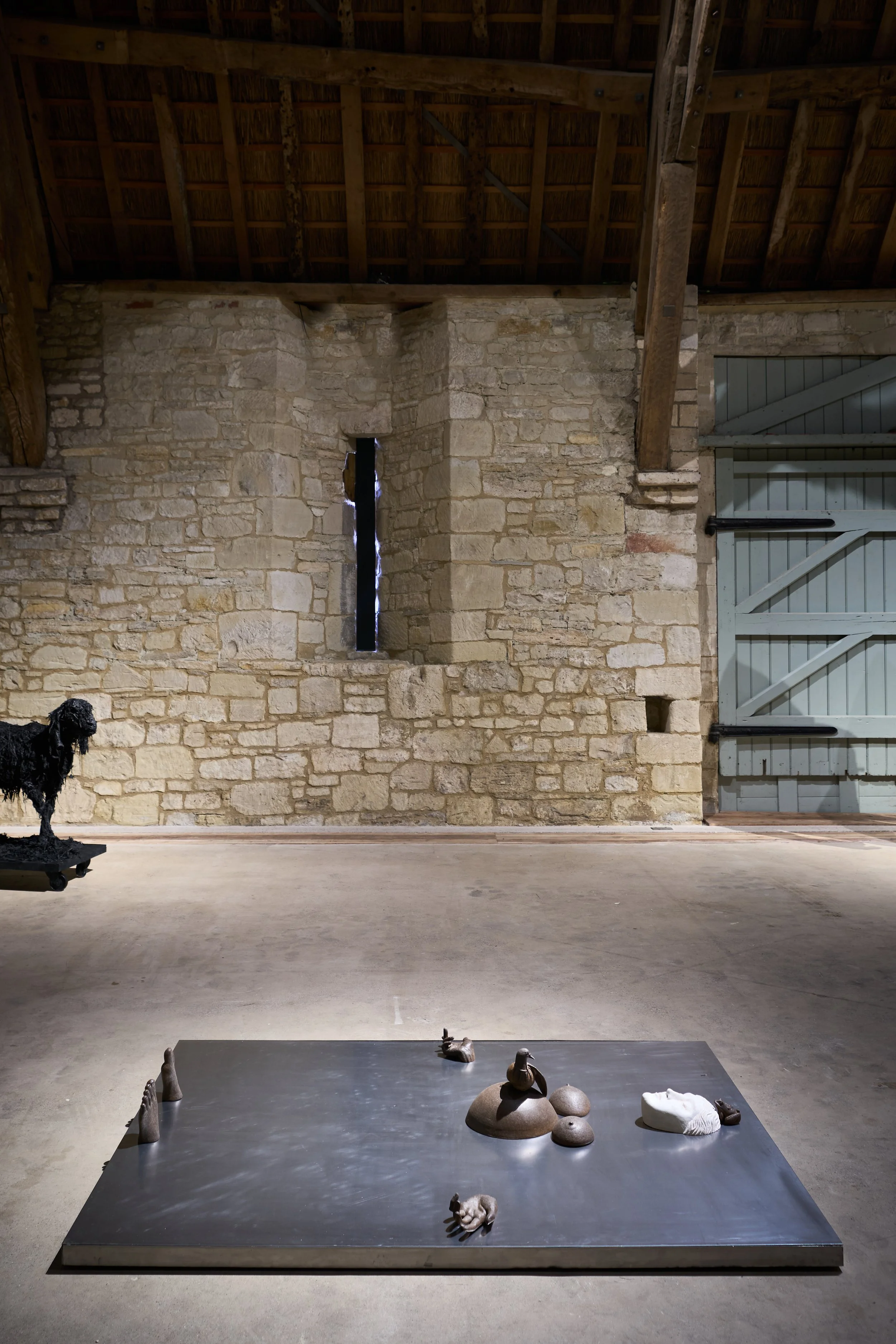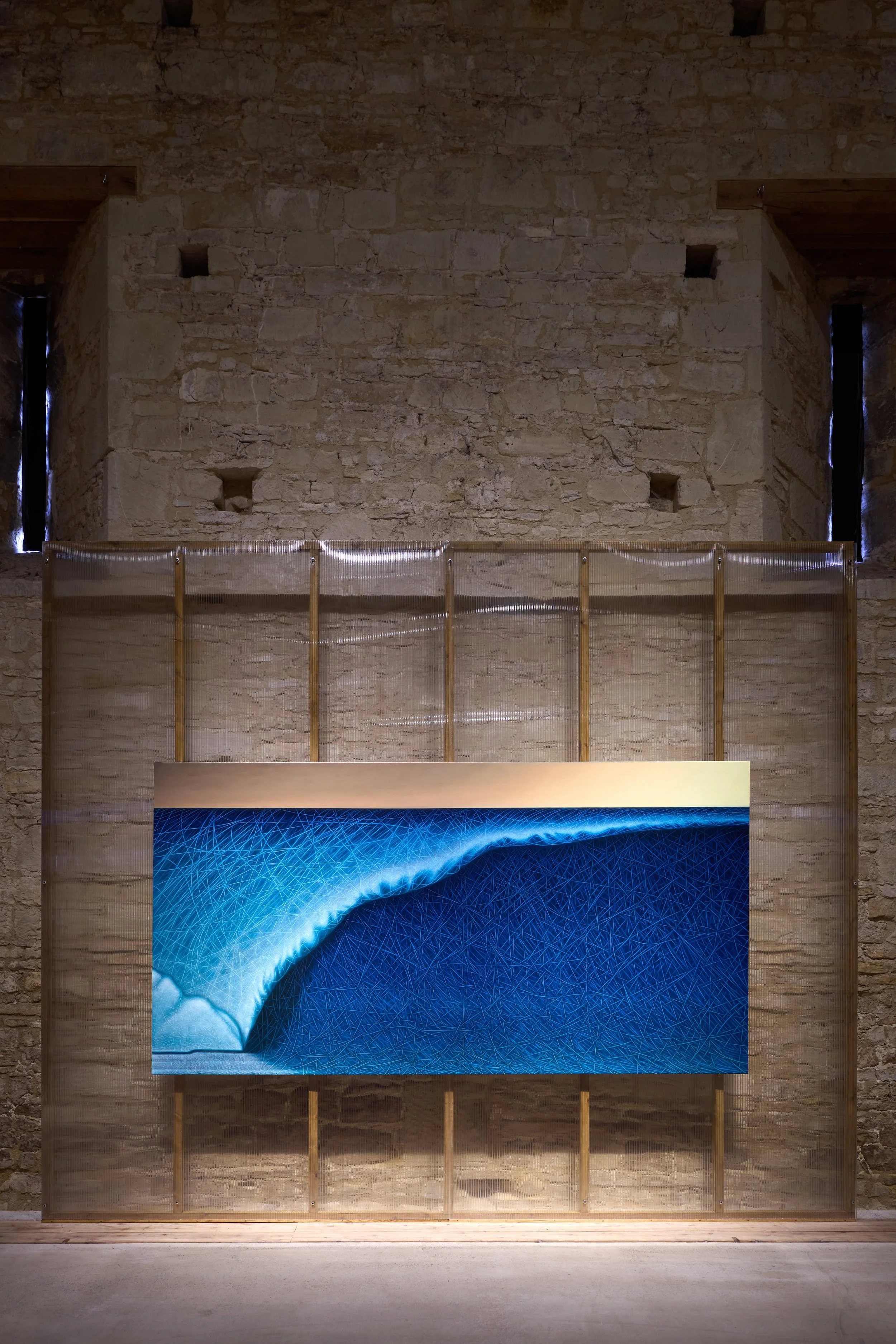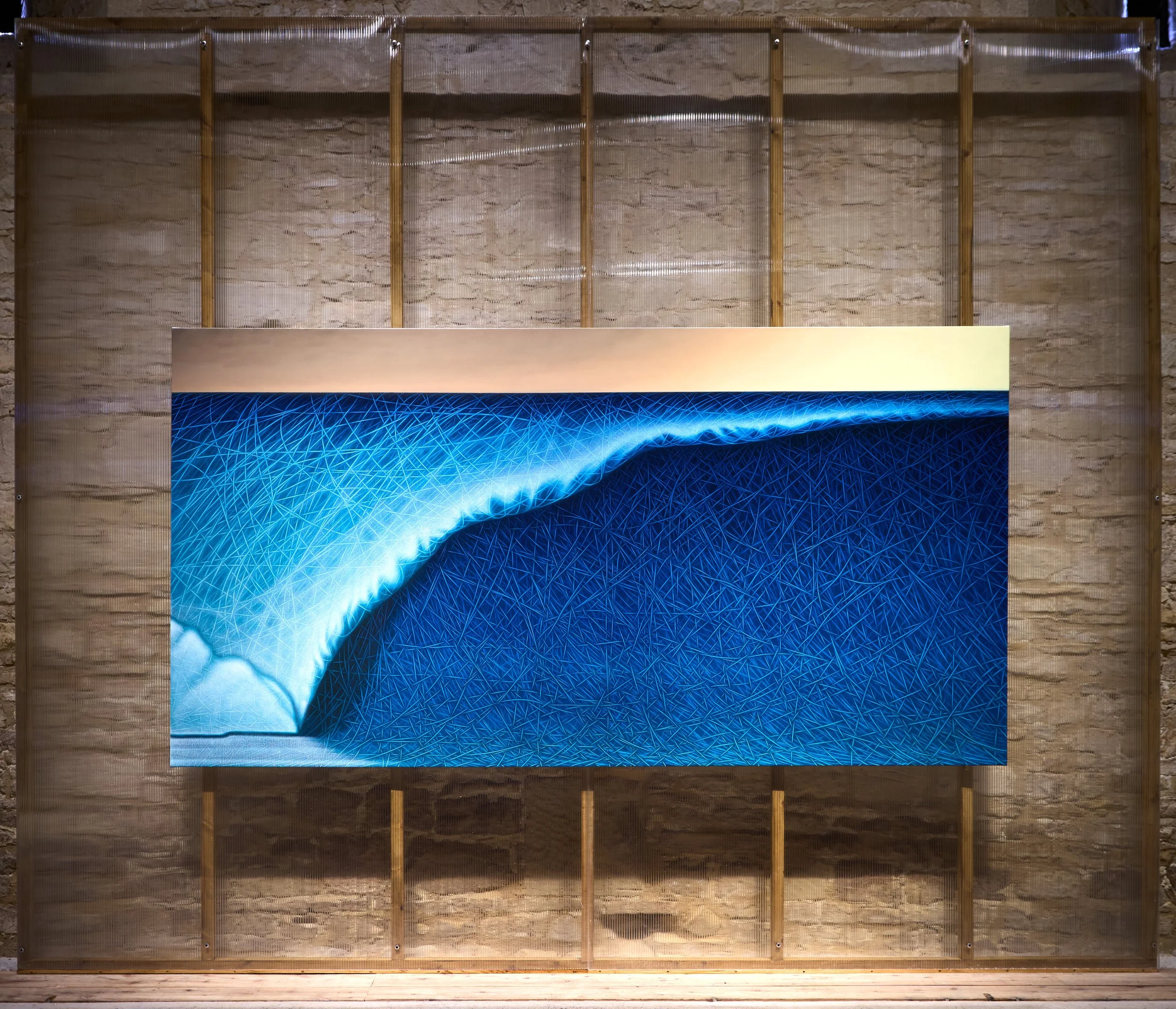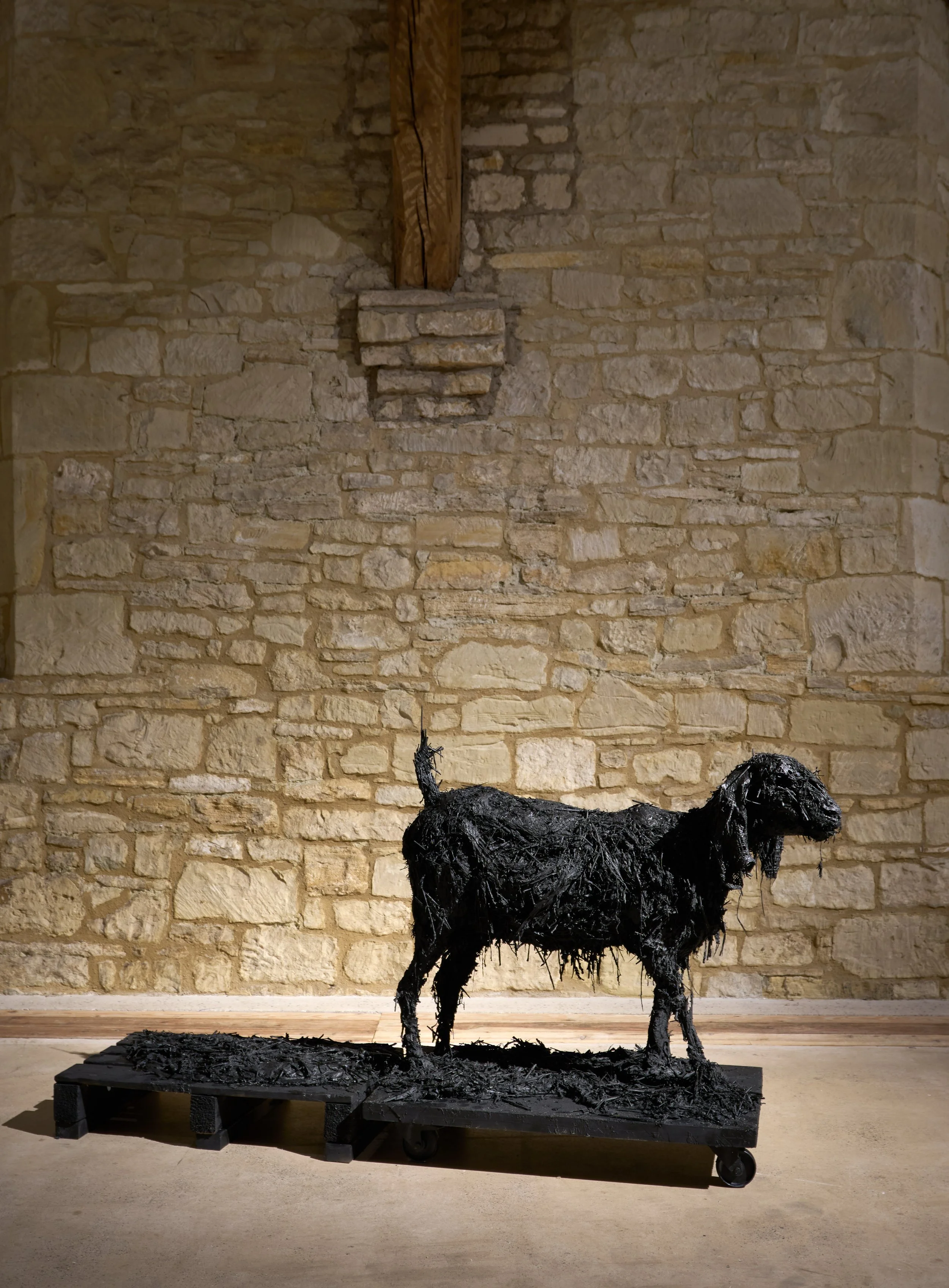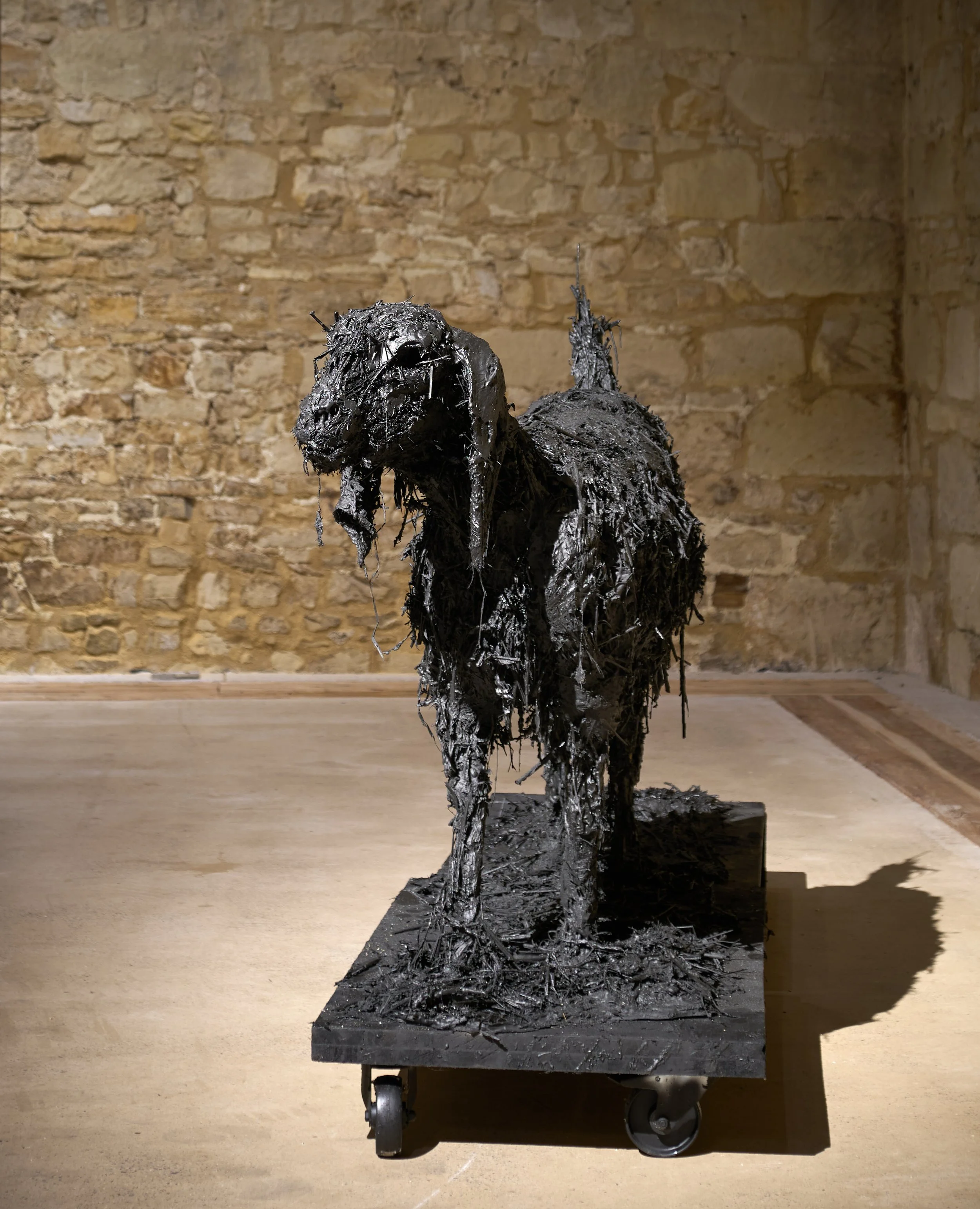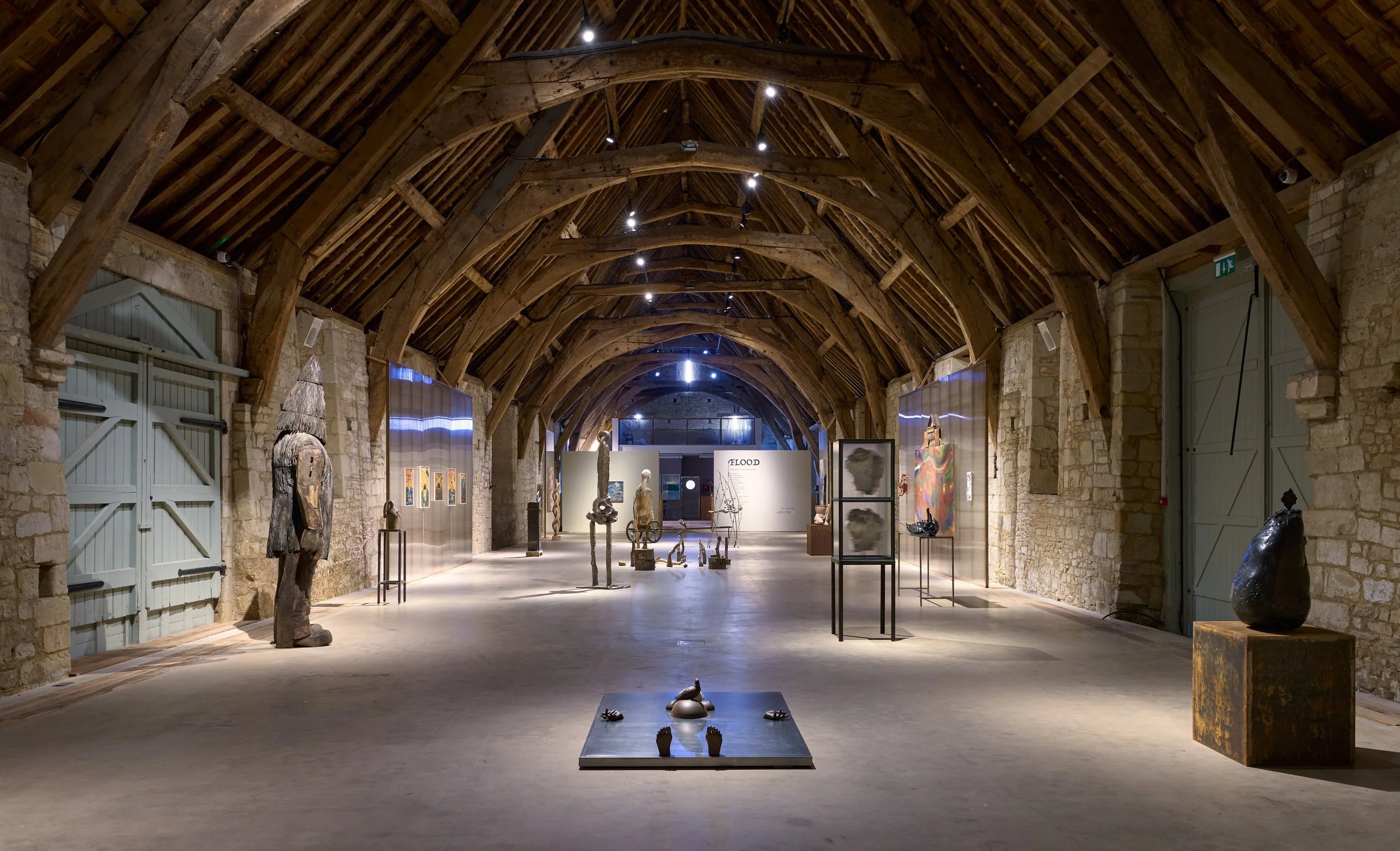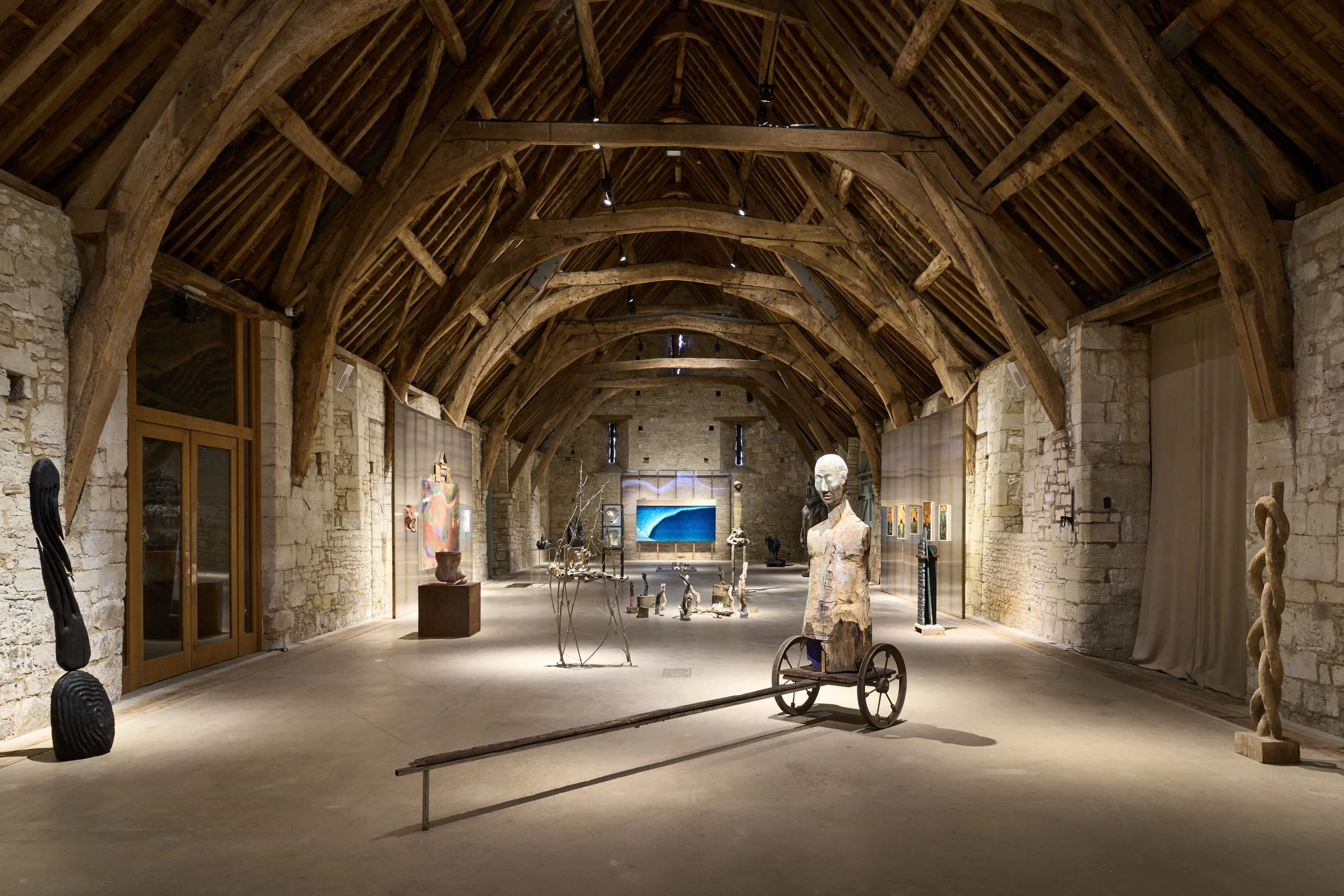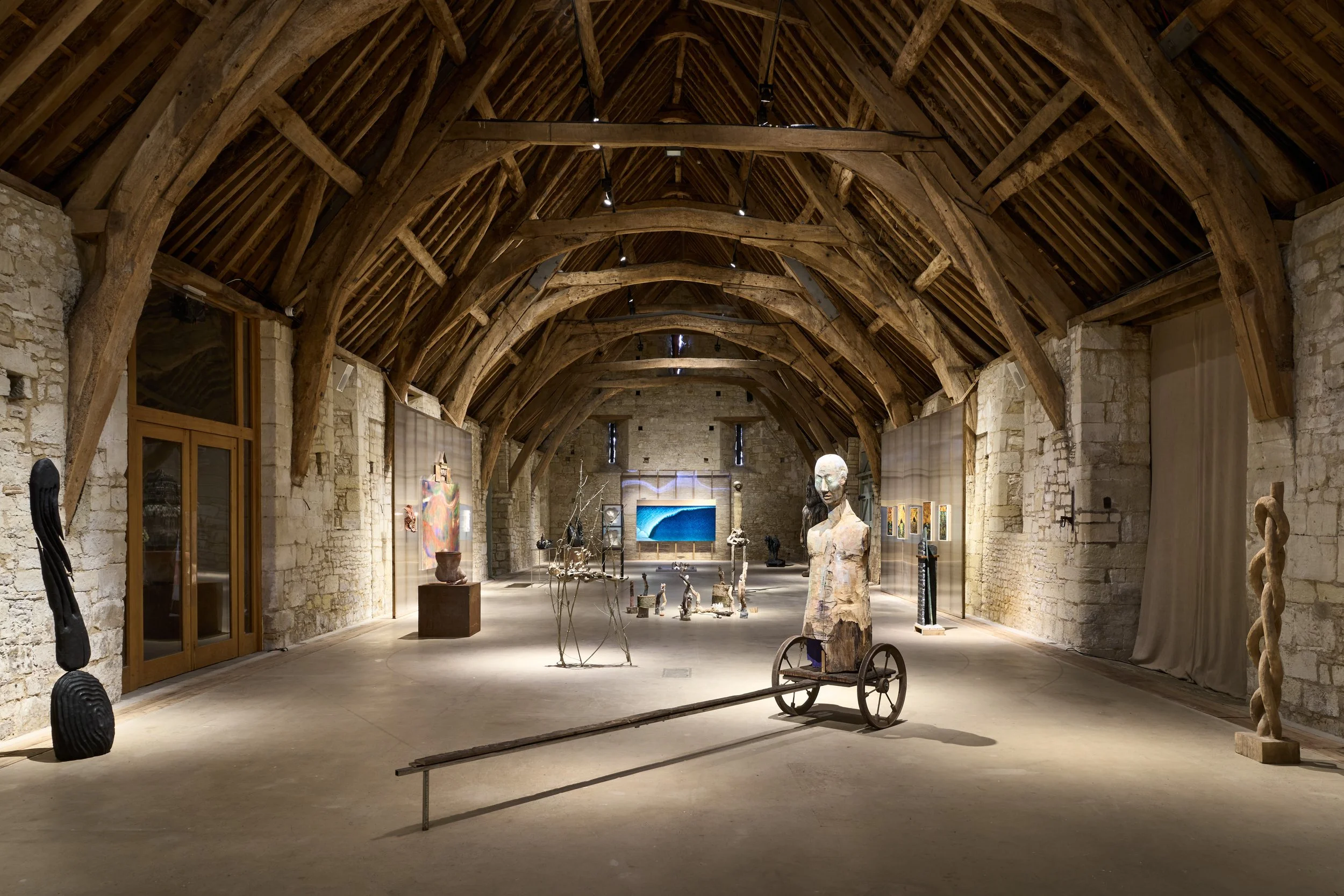

LOCATION: THE OLD WAITING ROOM
PECKHAM RYE STATION, STATION WAY, LONDON, SE15 4RX
8 - 17 JANUARY 2026
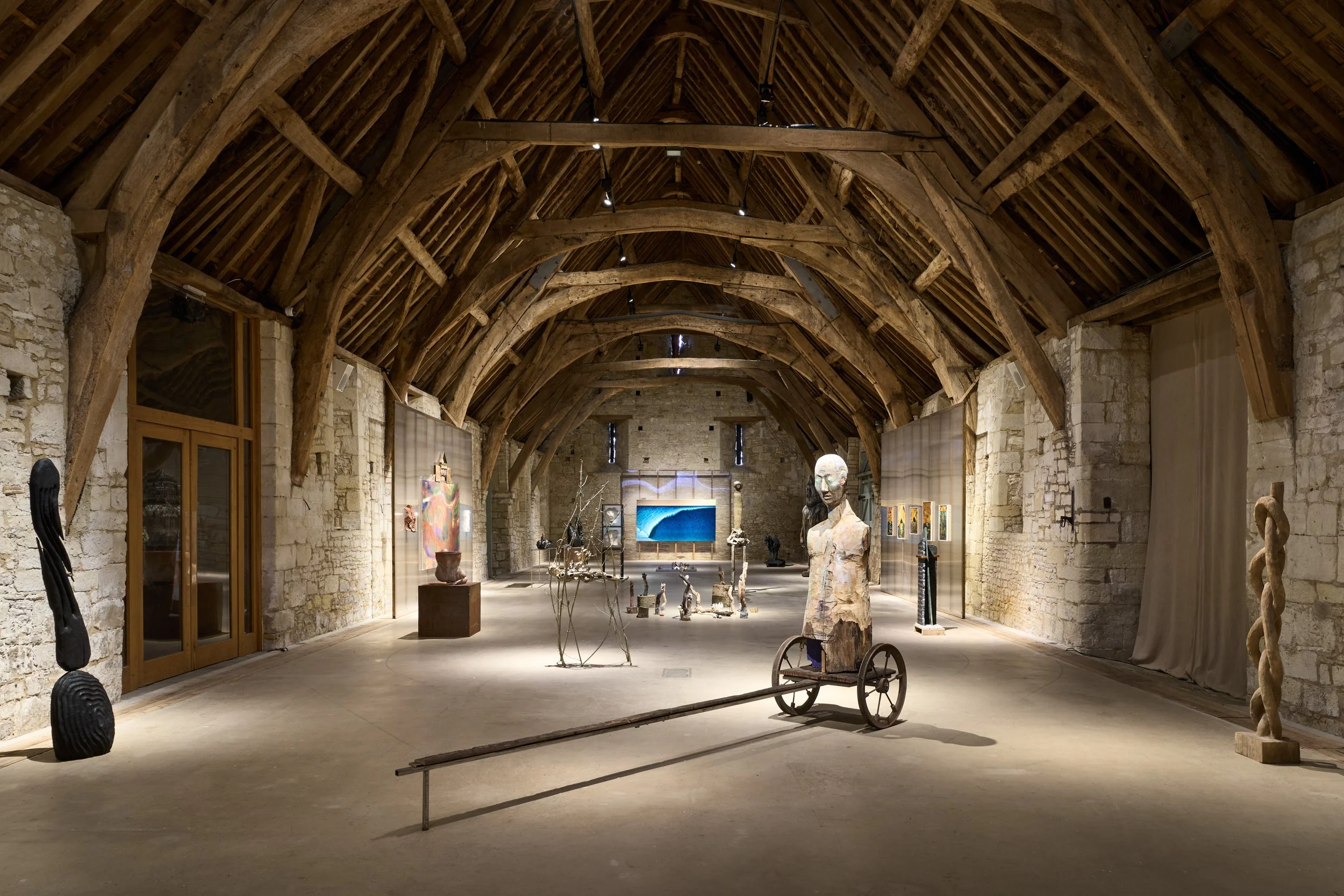
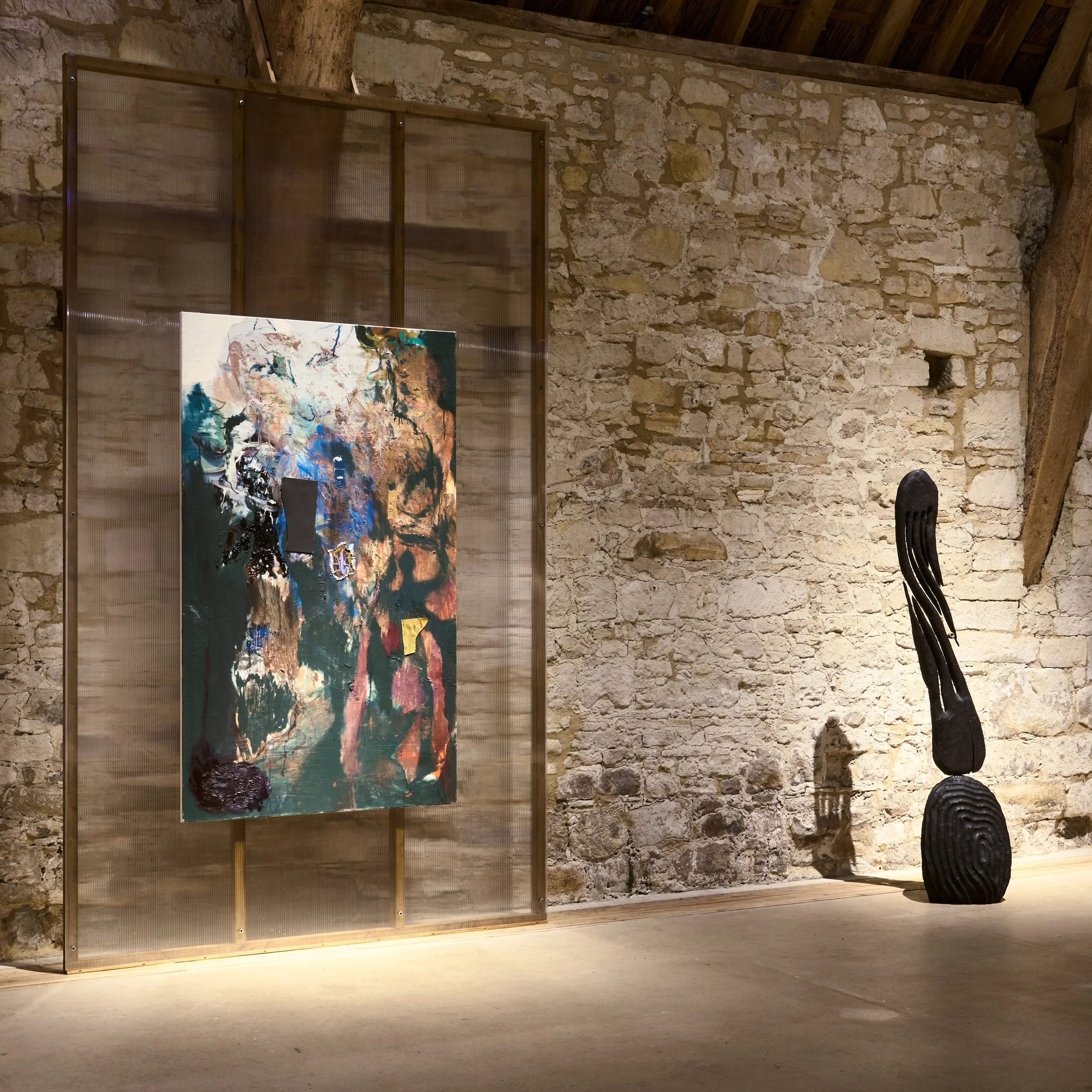
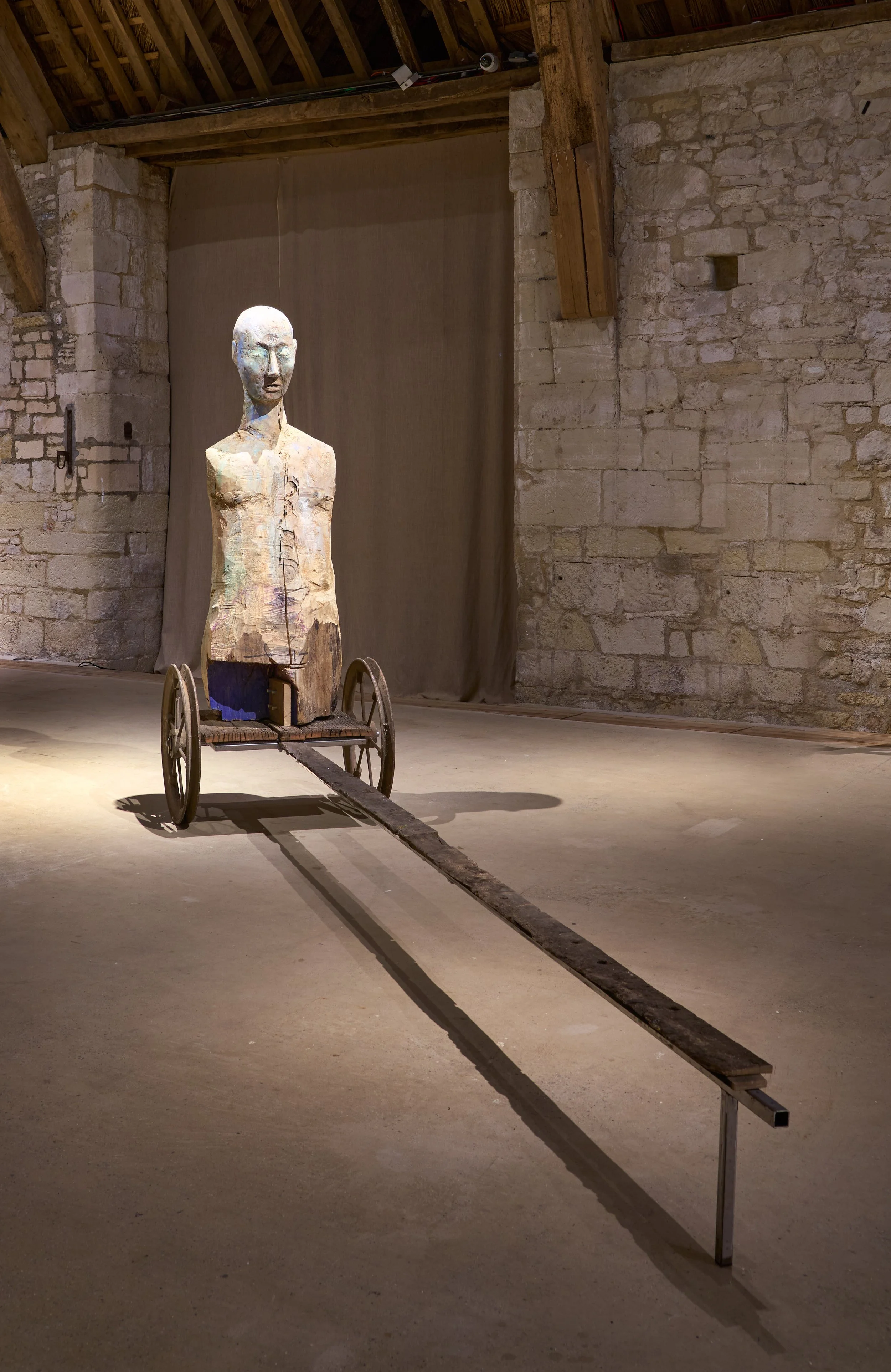
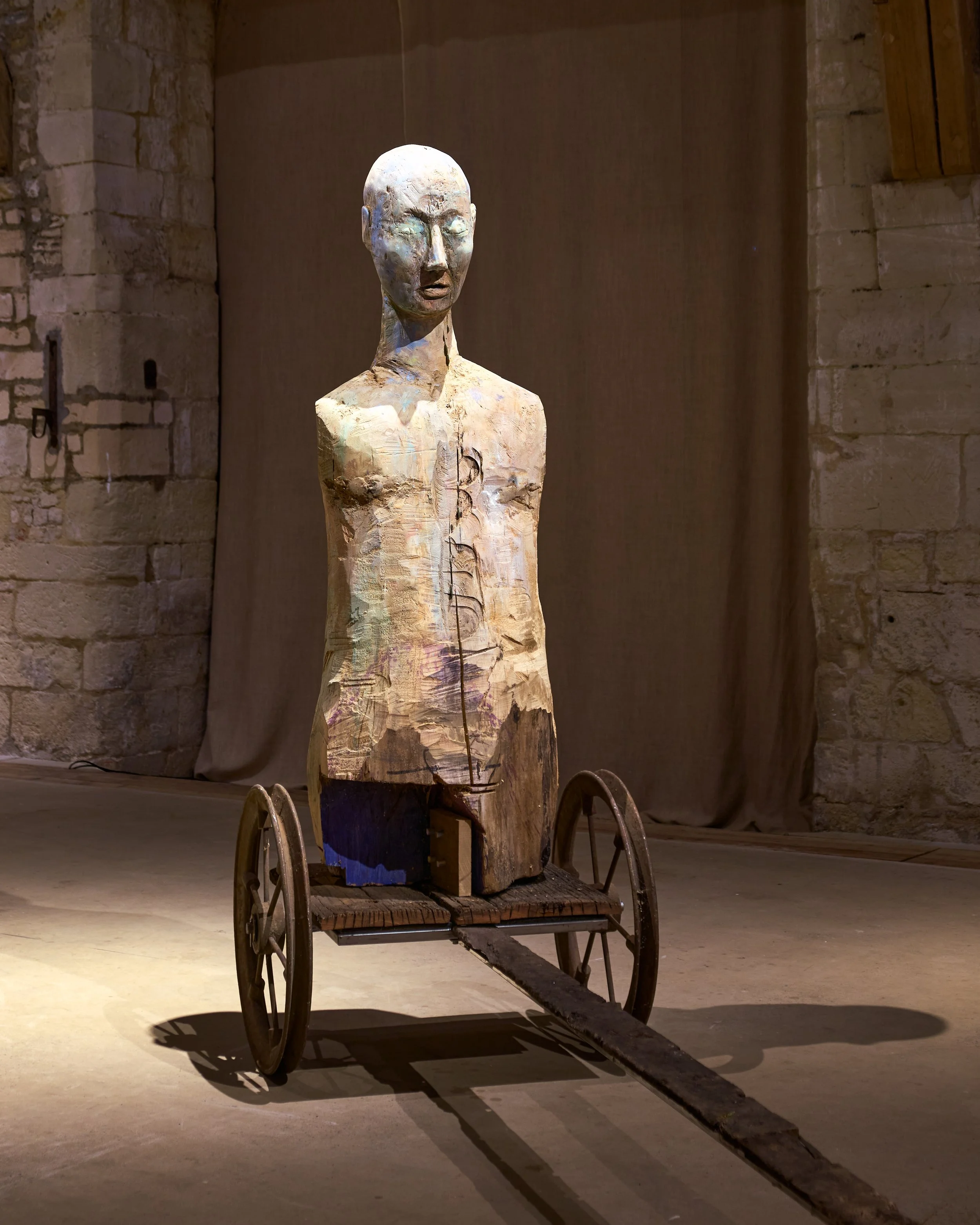
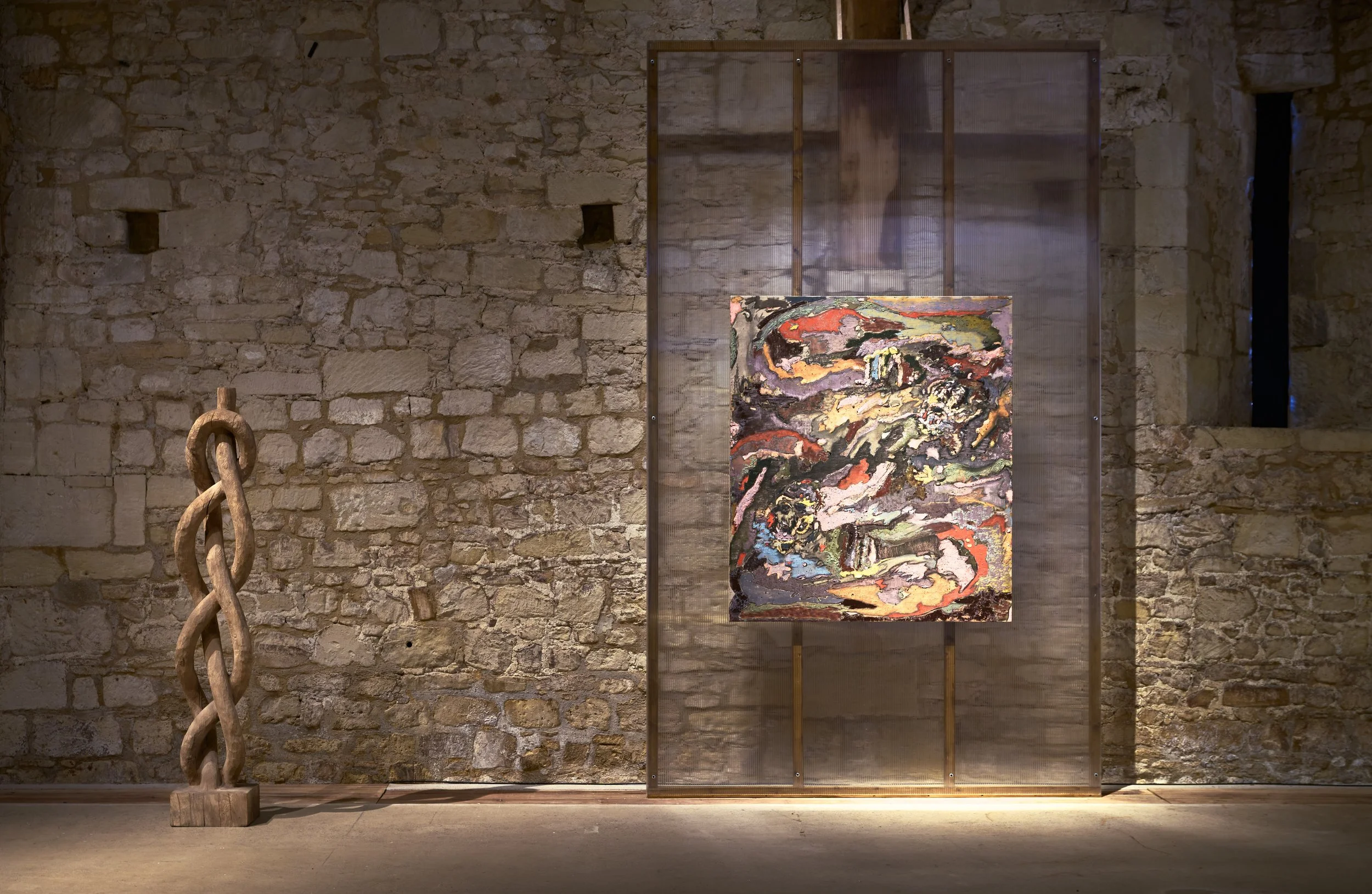
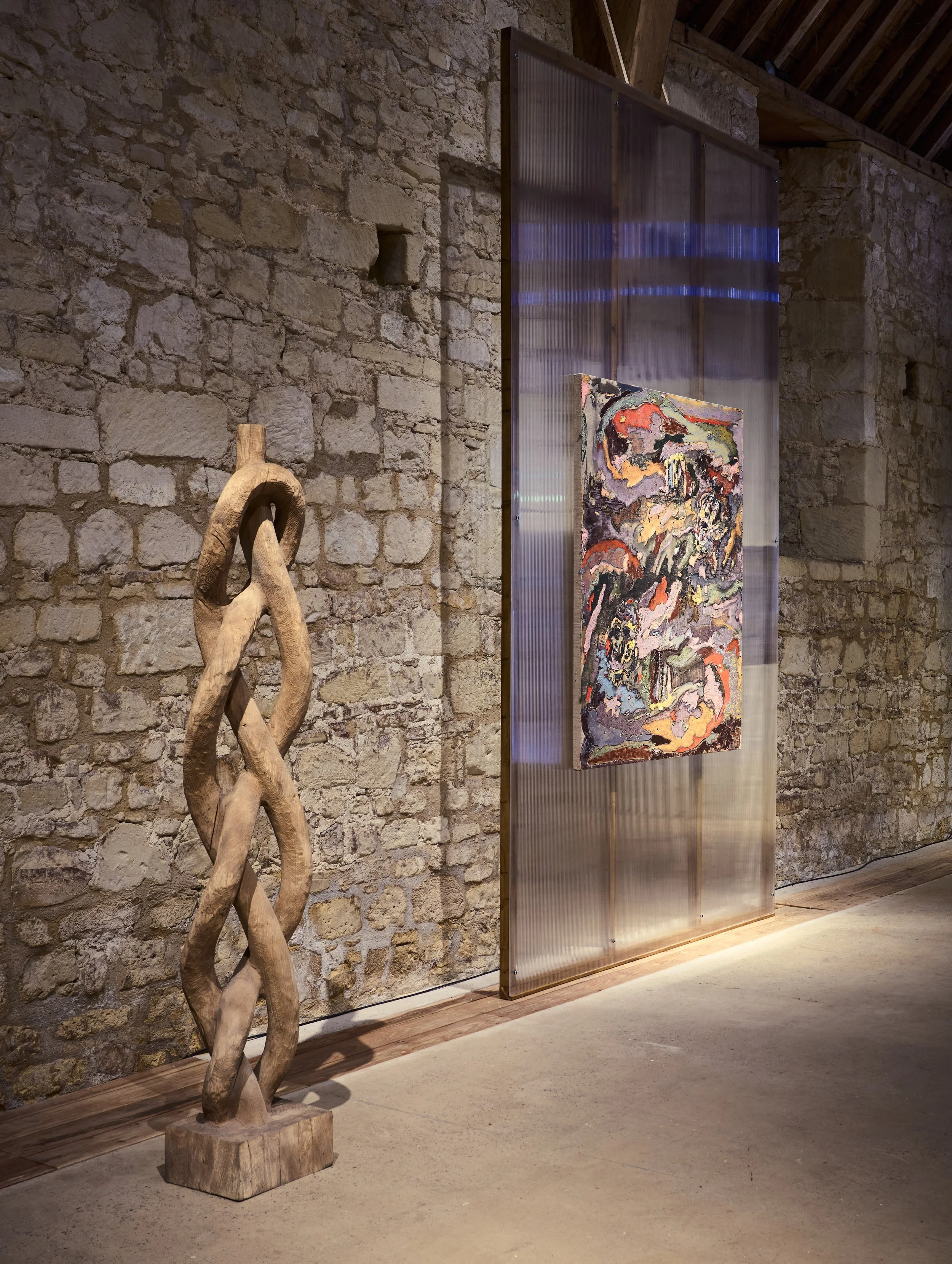
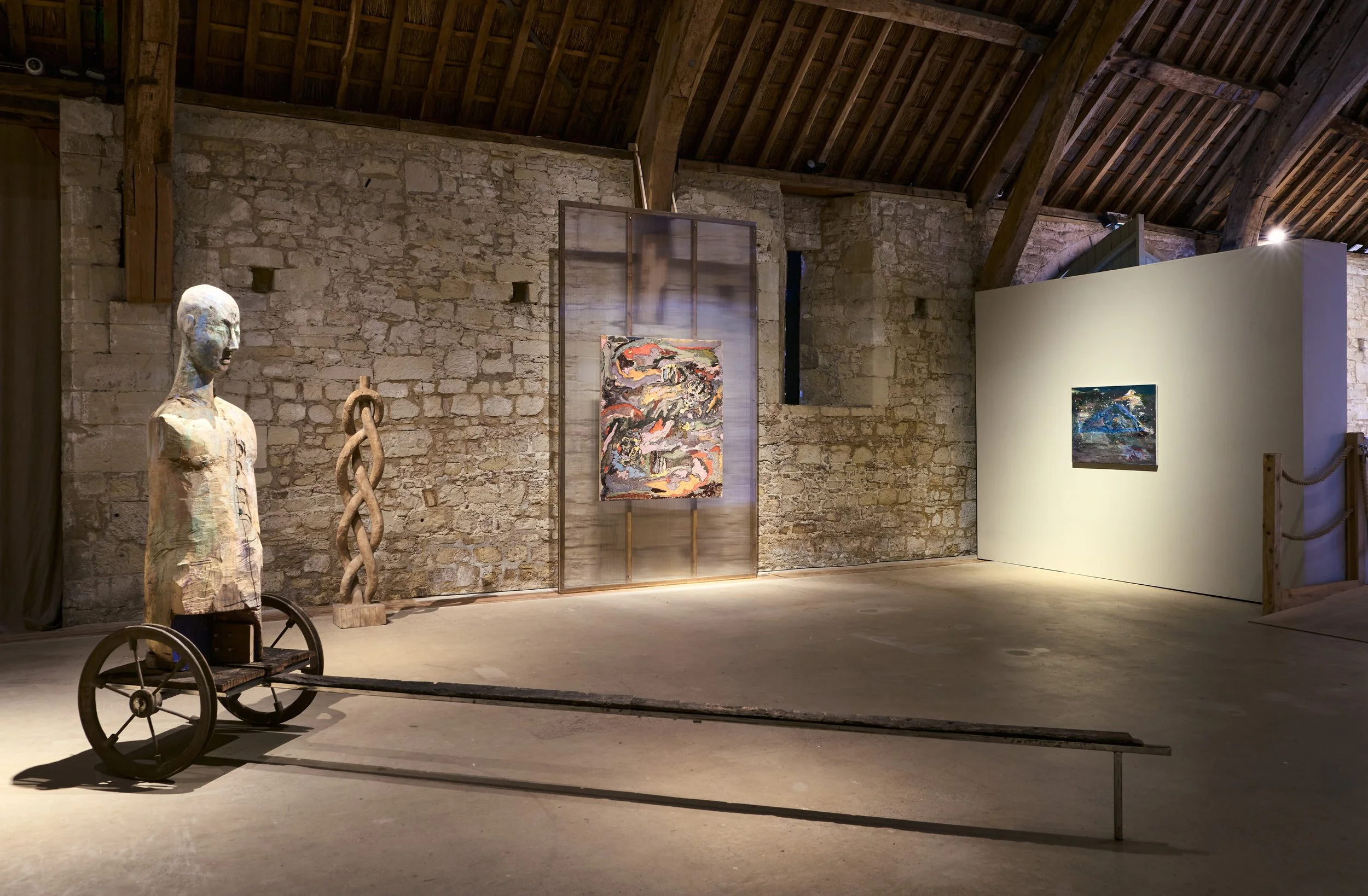
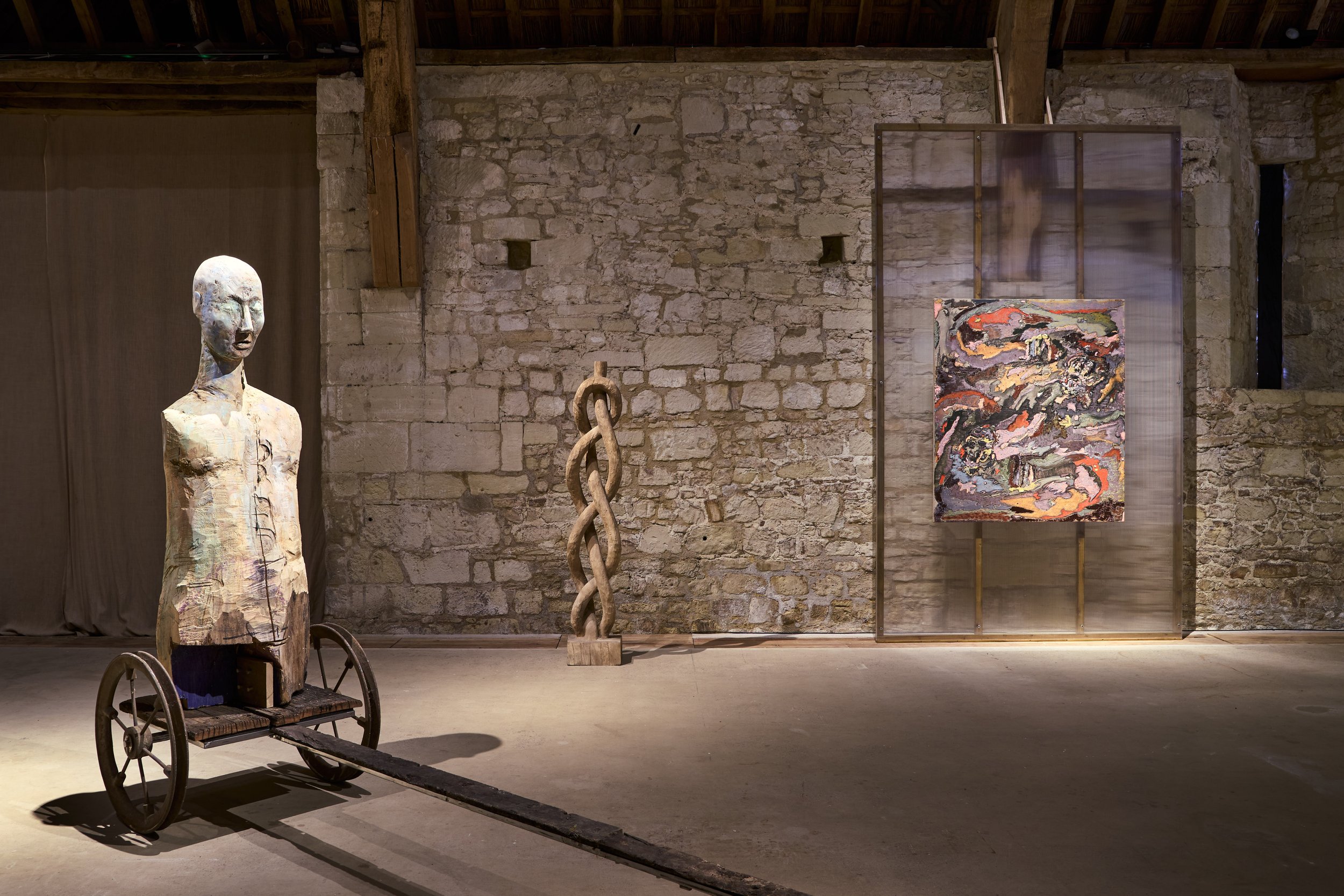
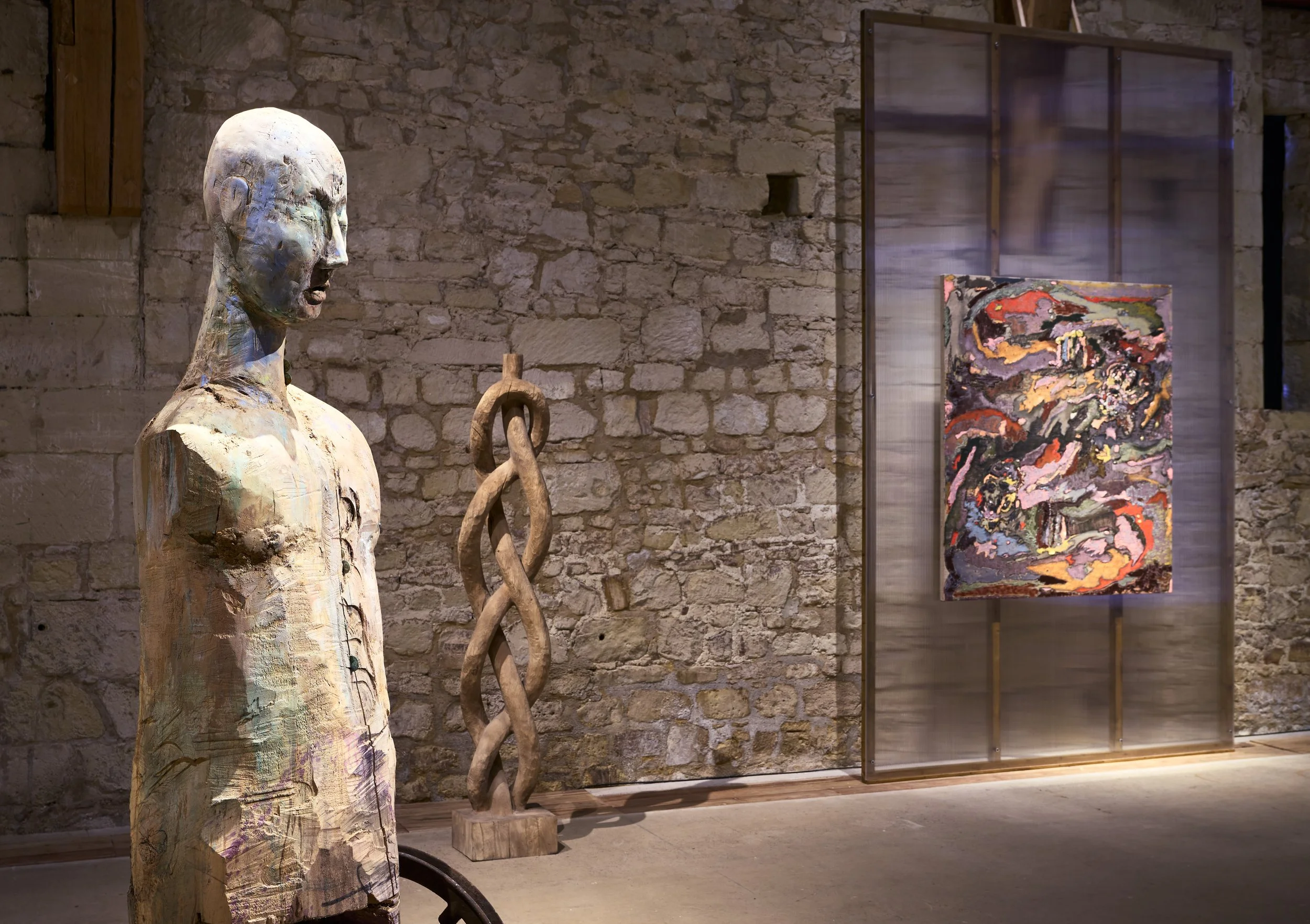
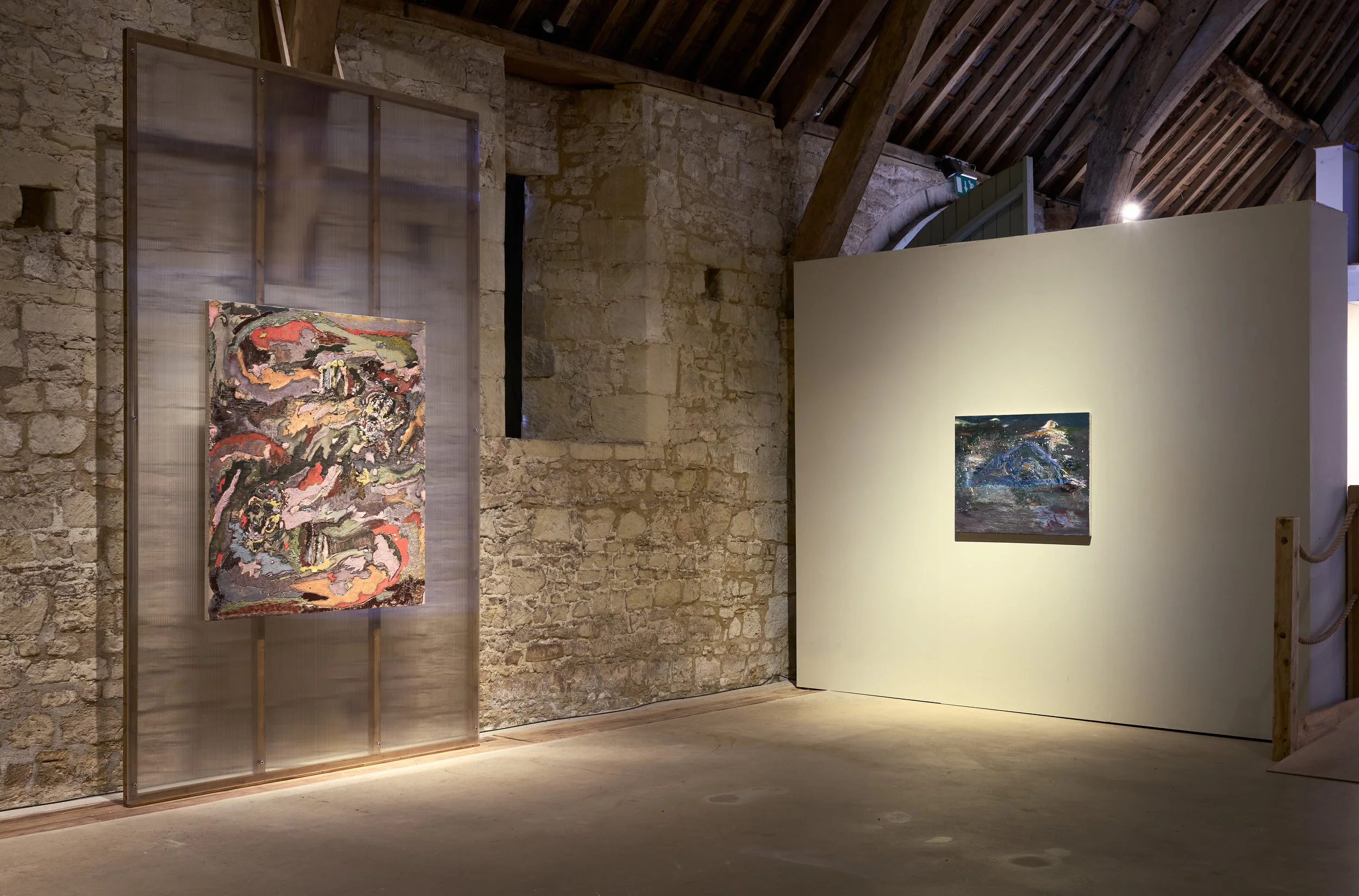
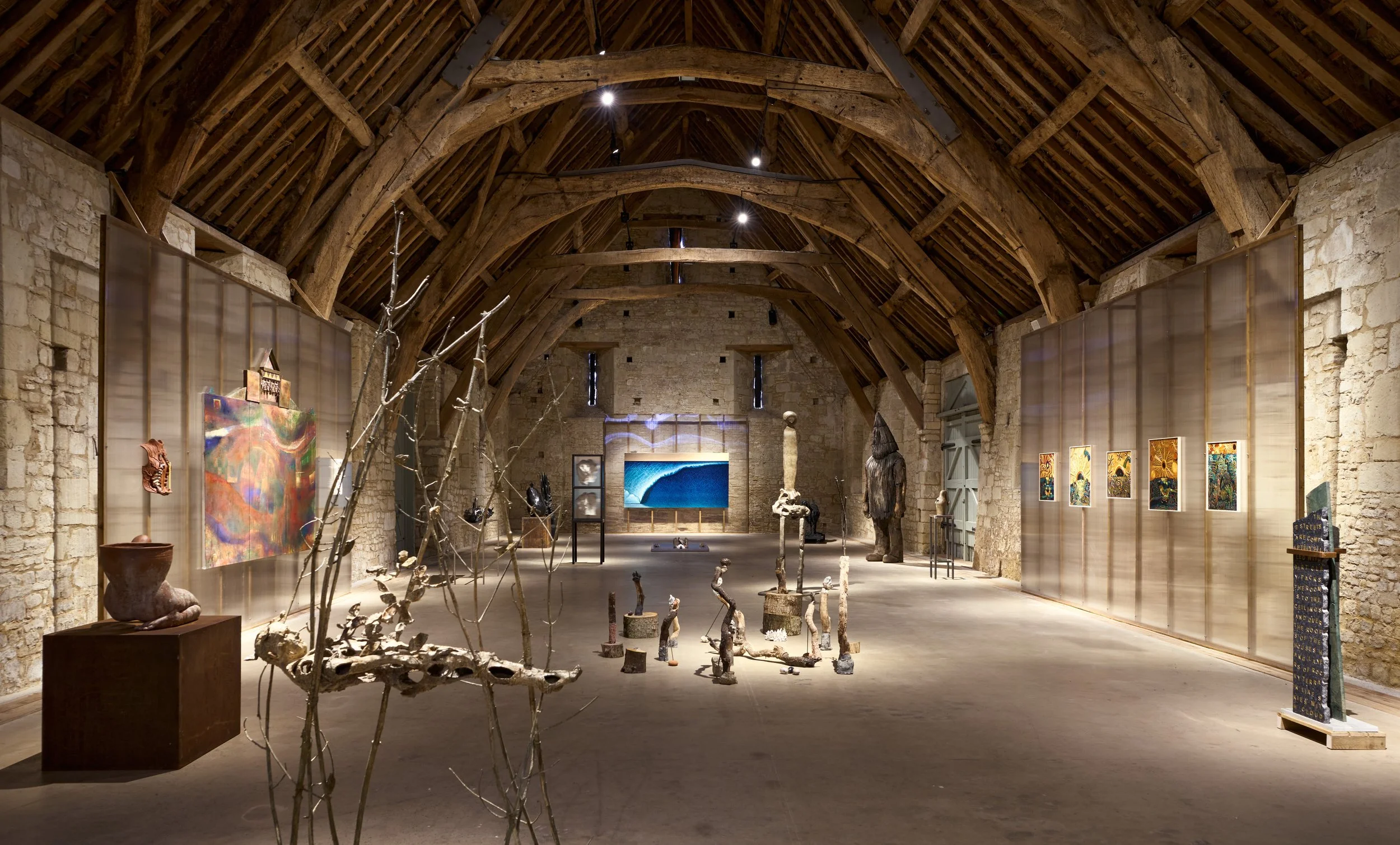
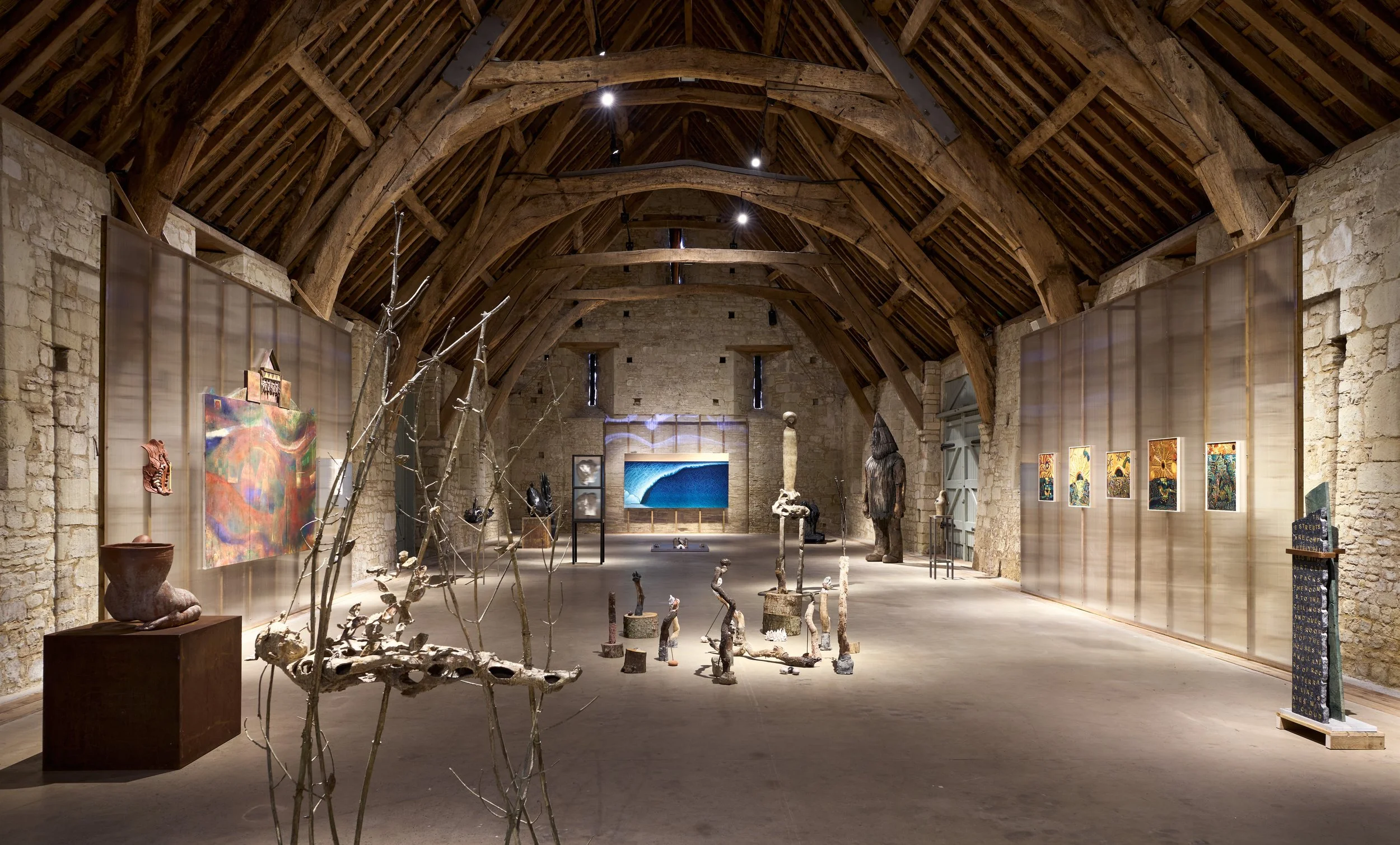
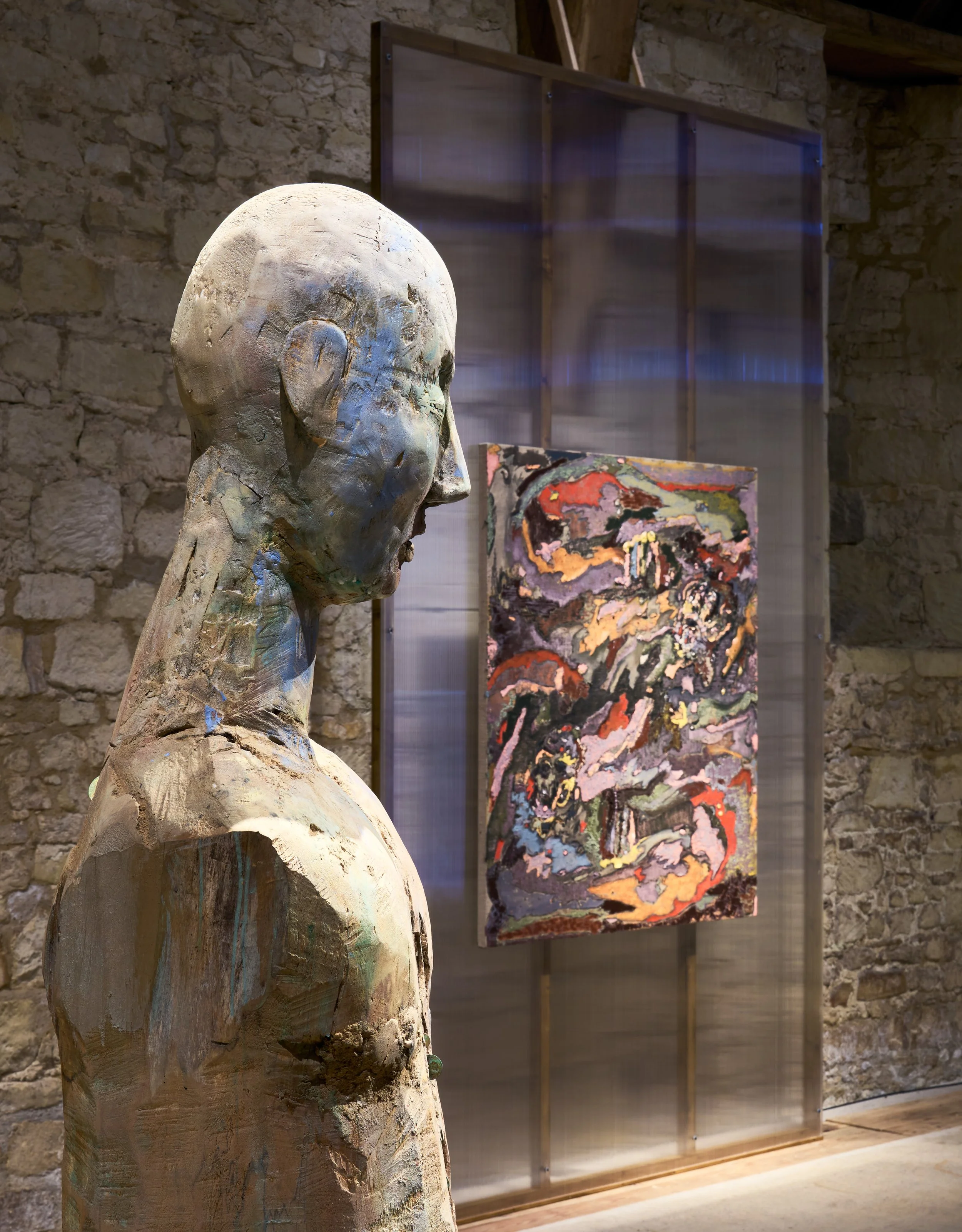
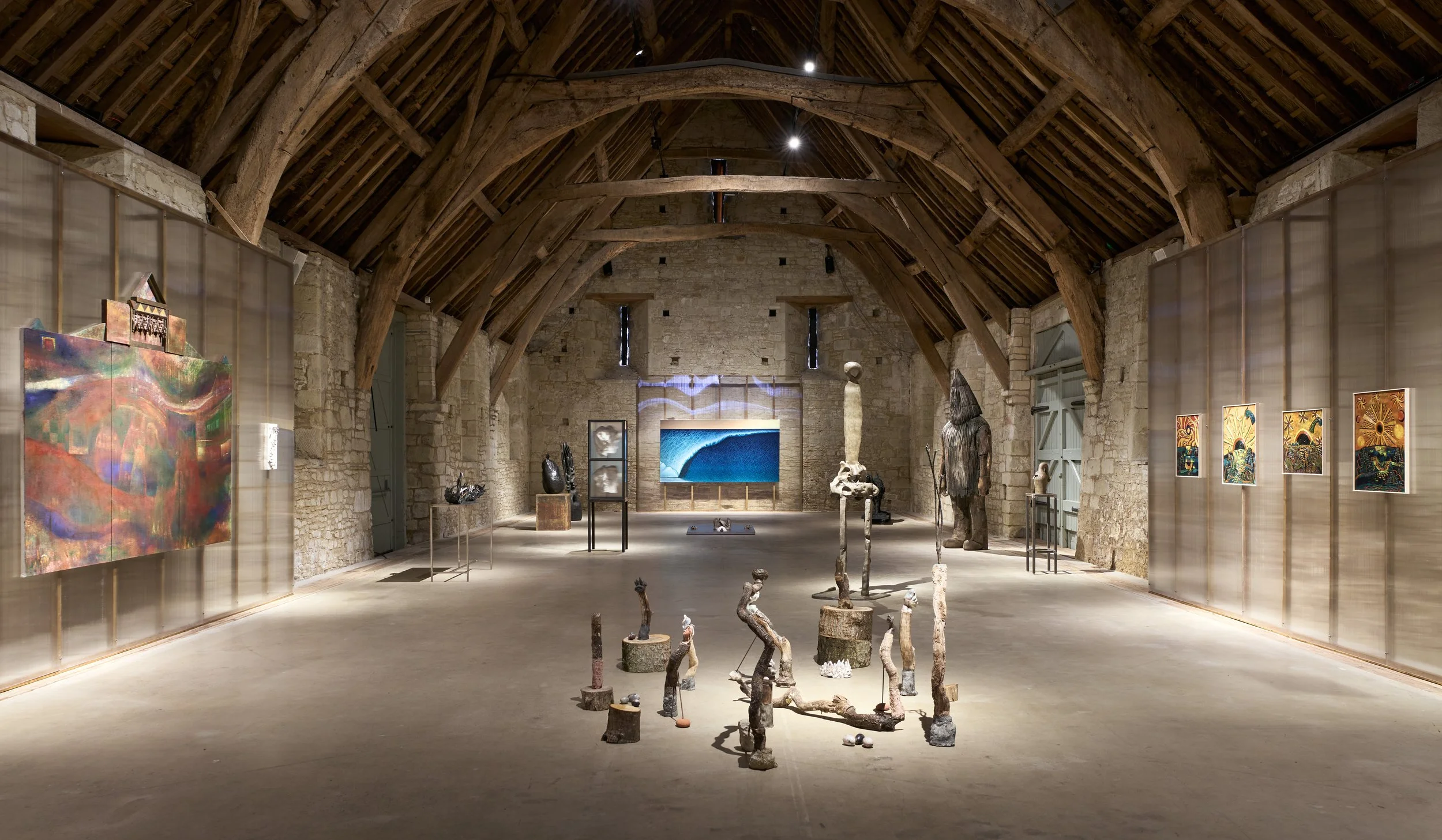
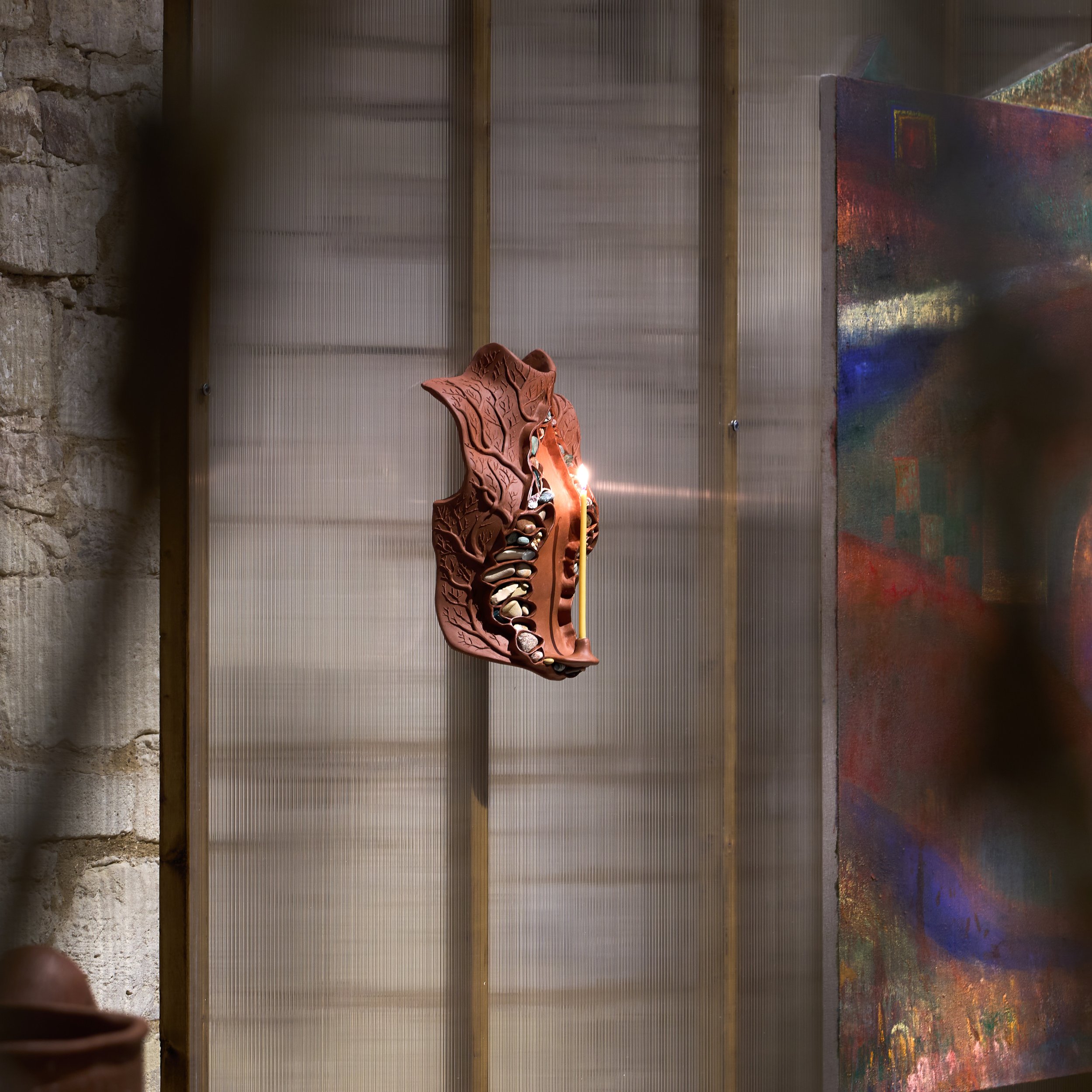
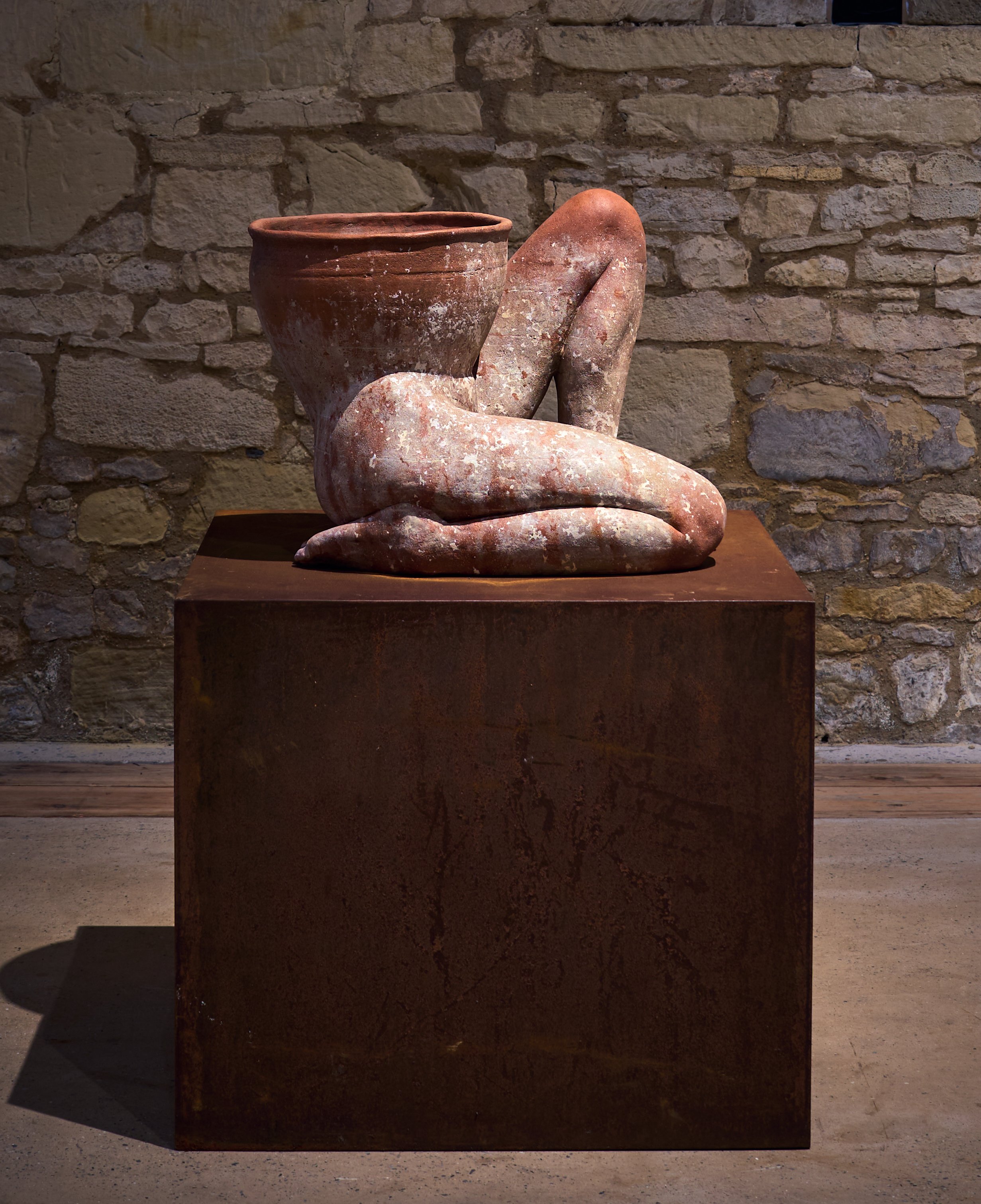
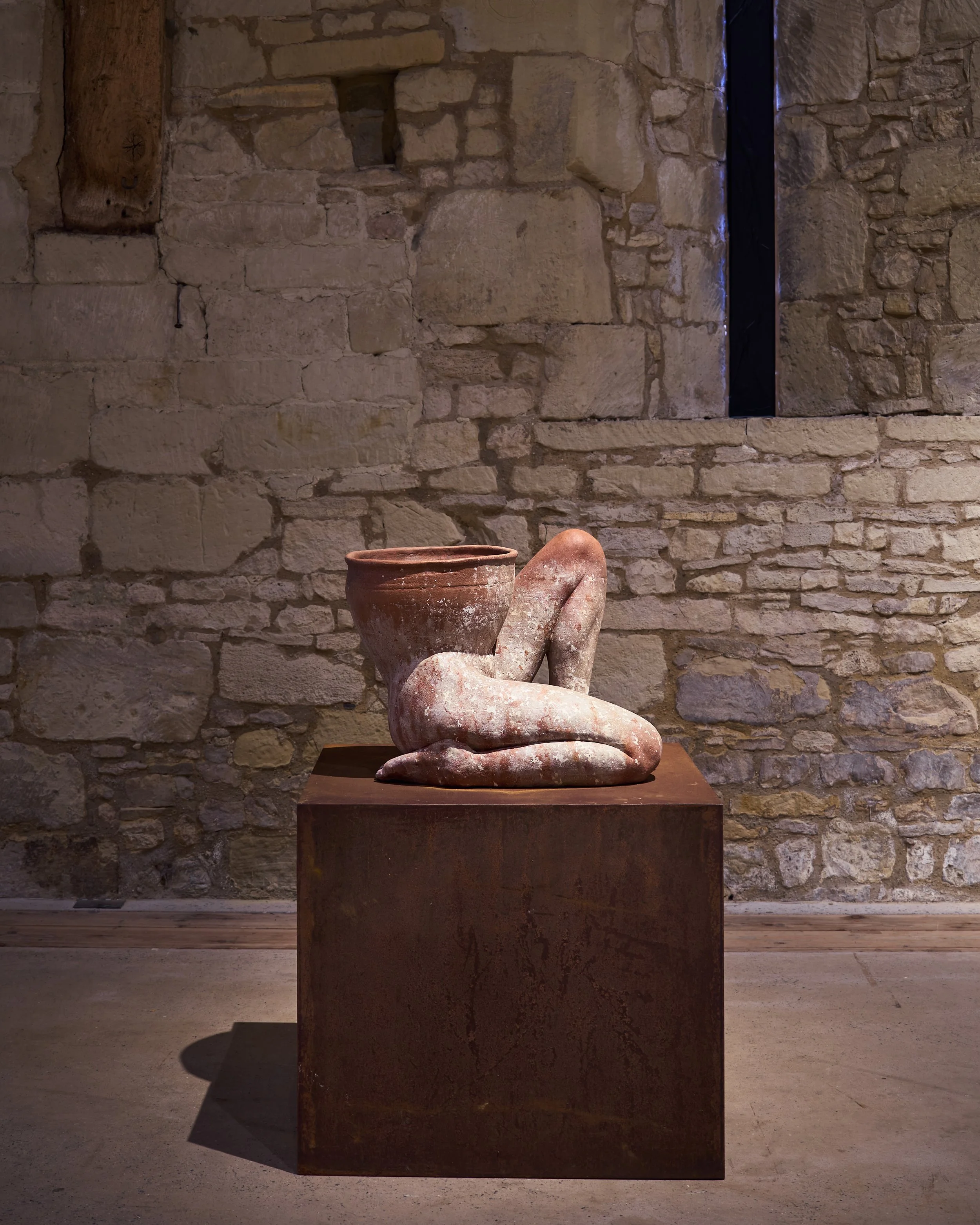
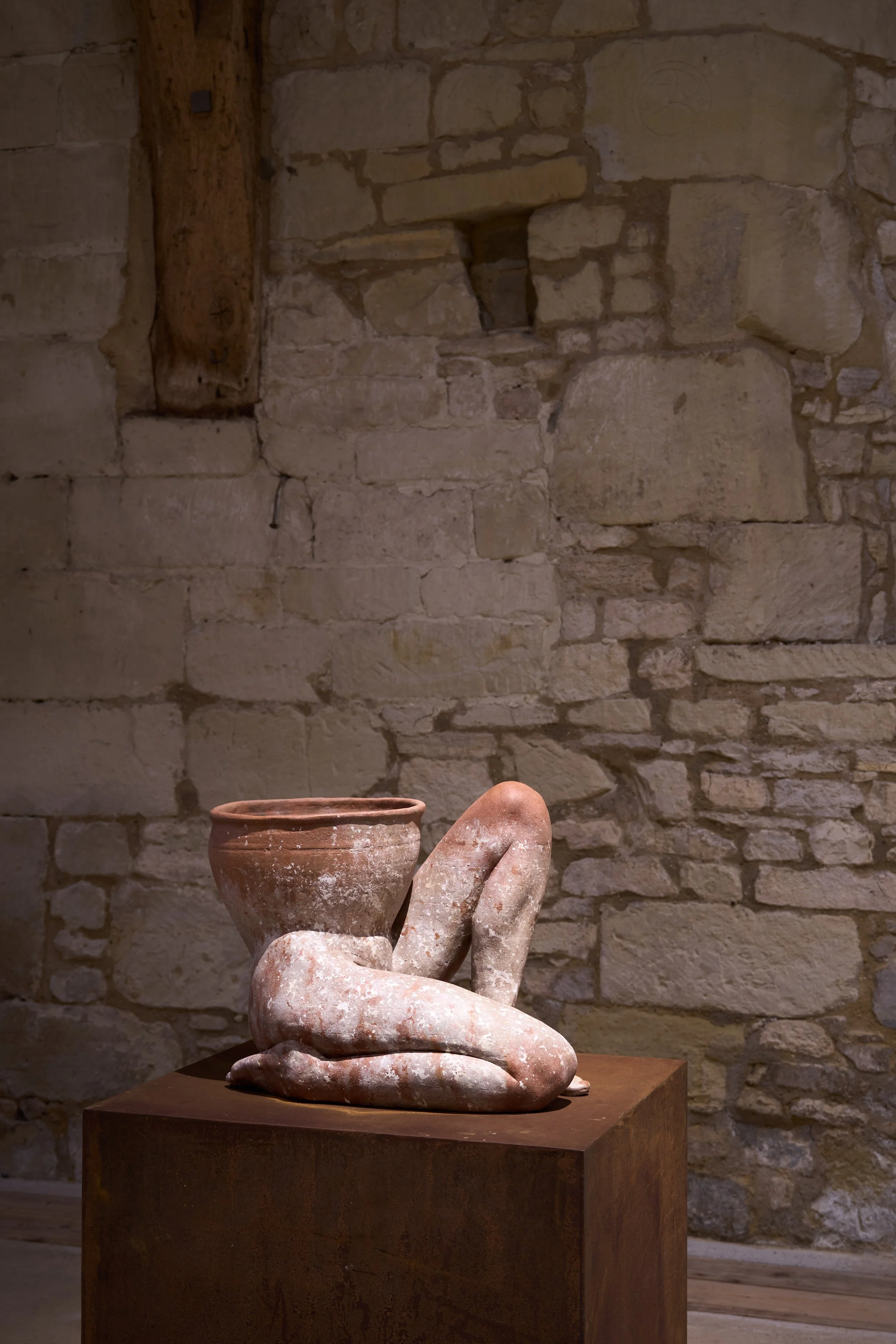
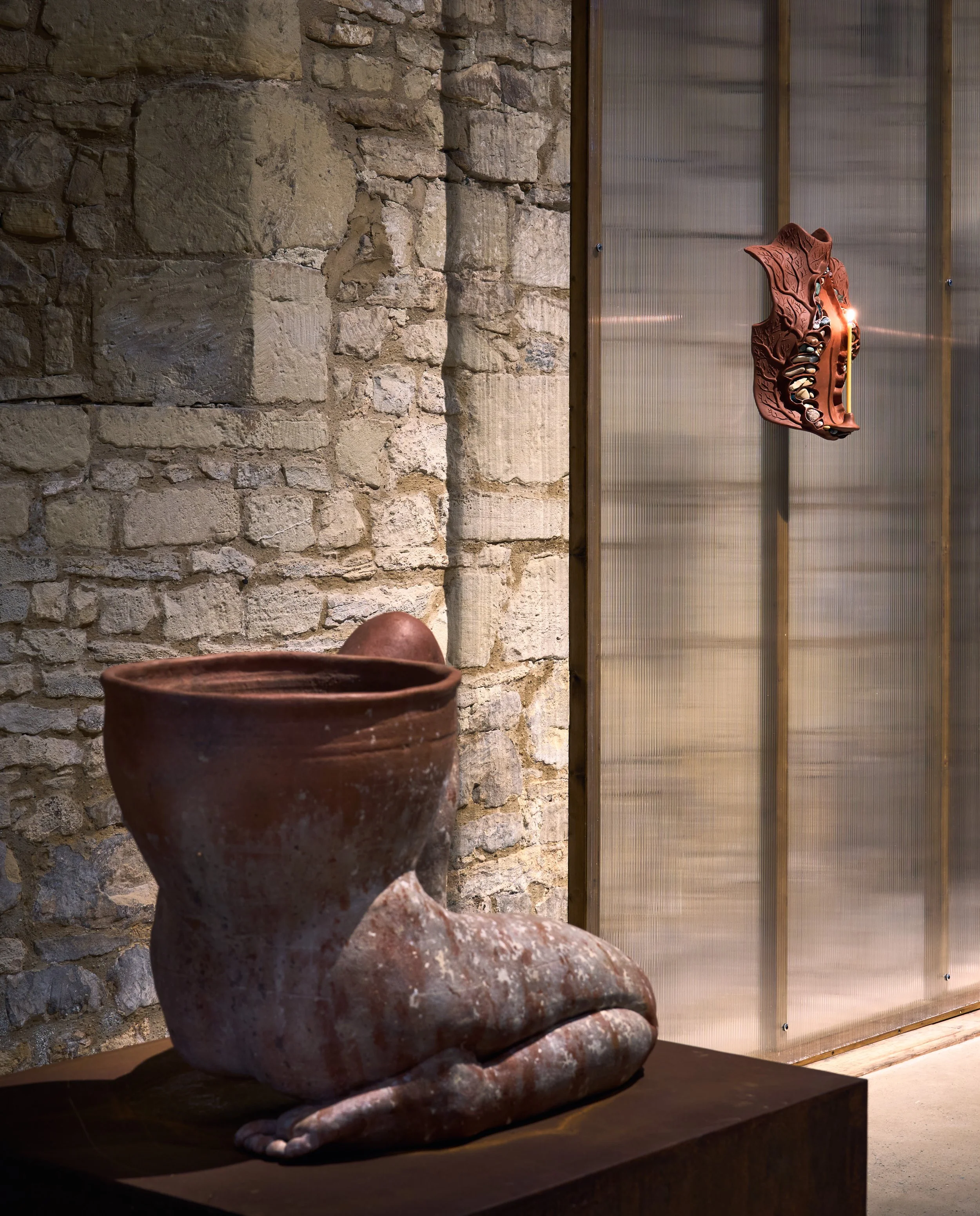
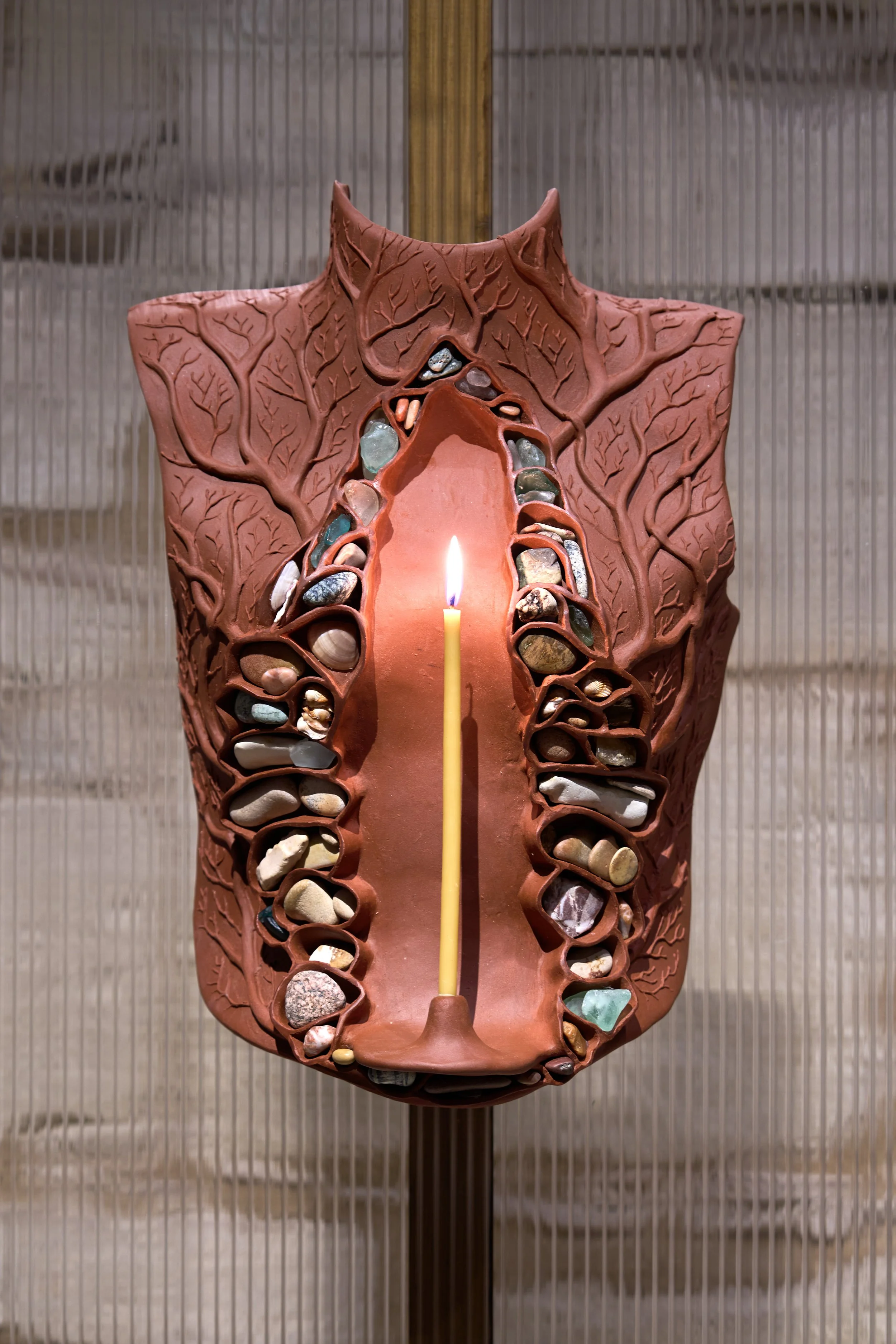
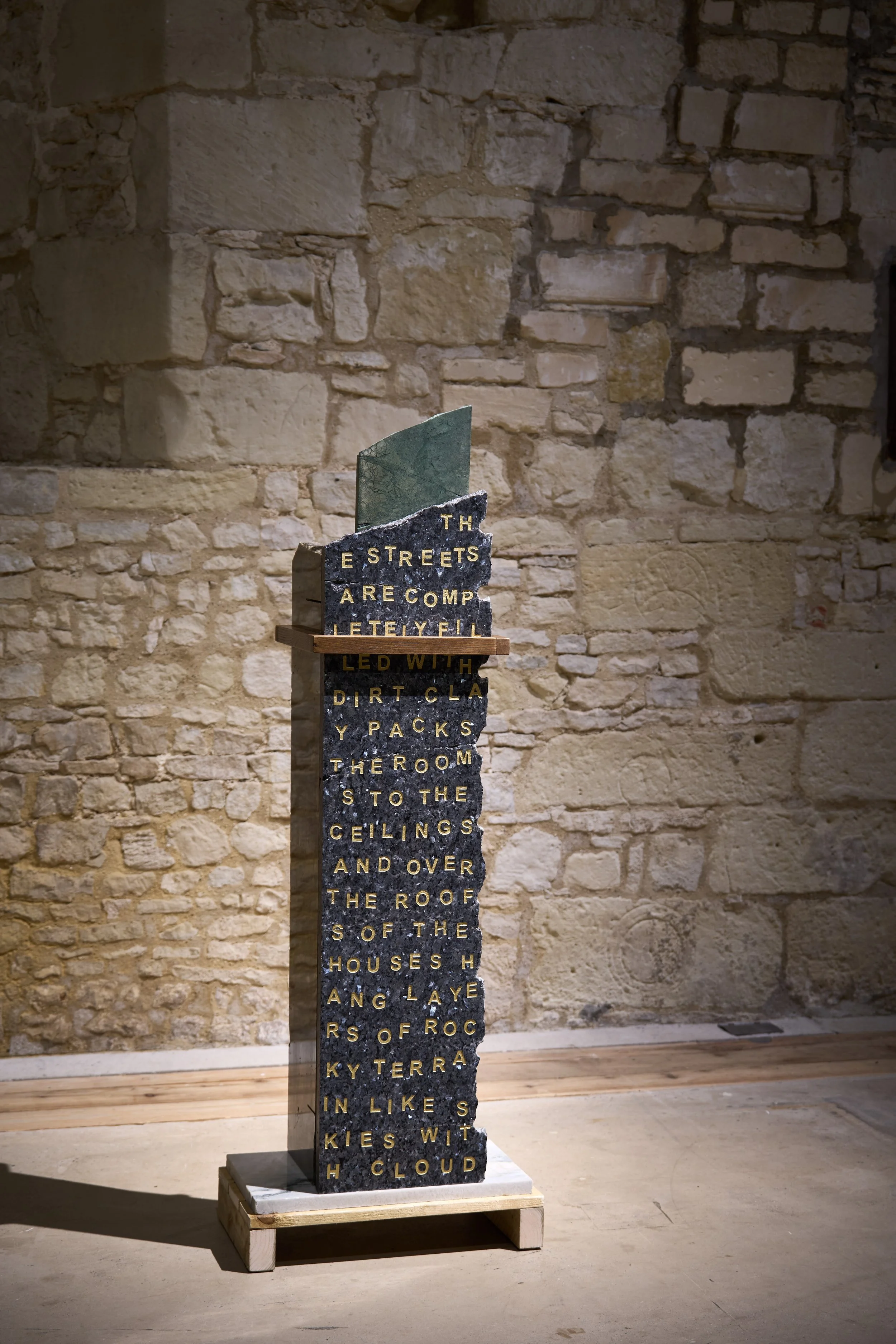
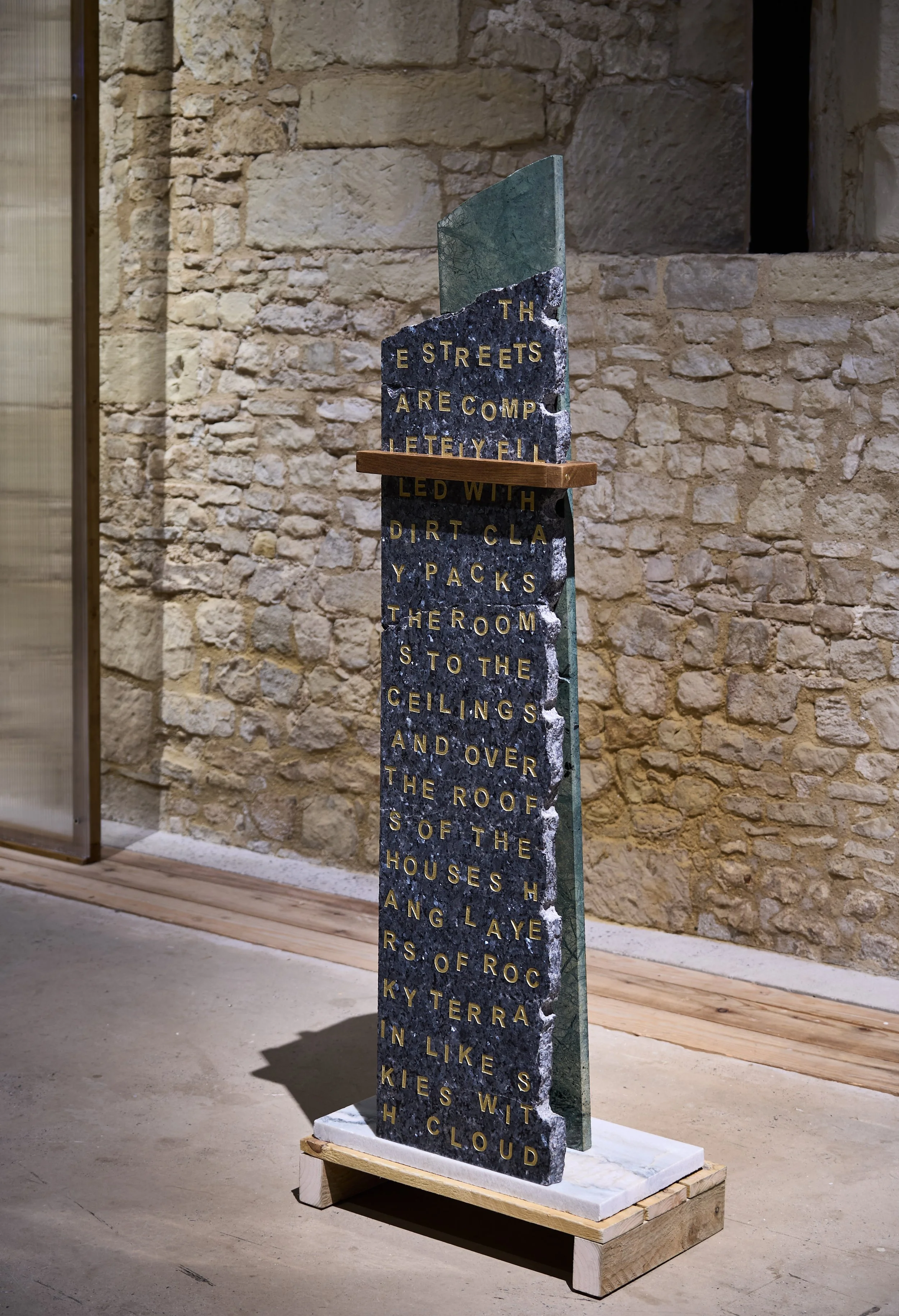
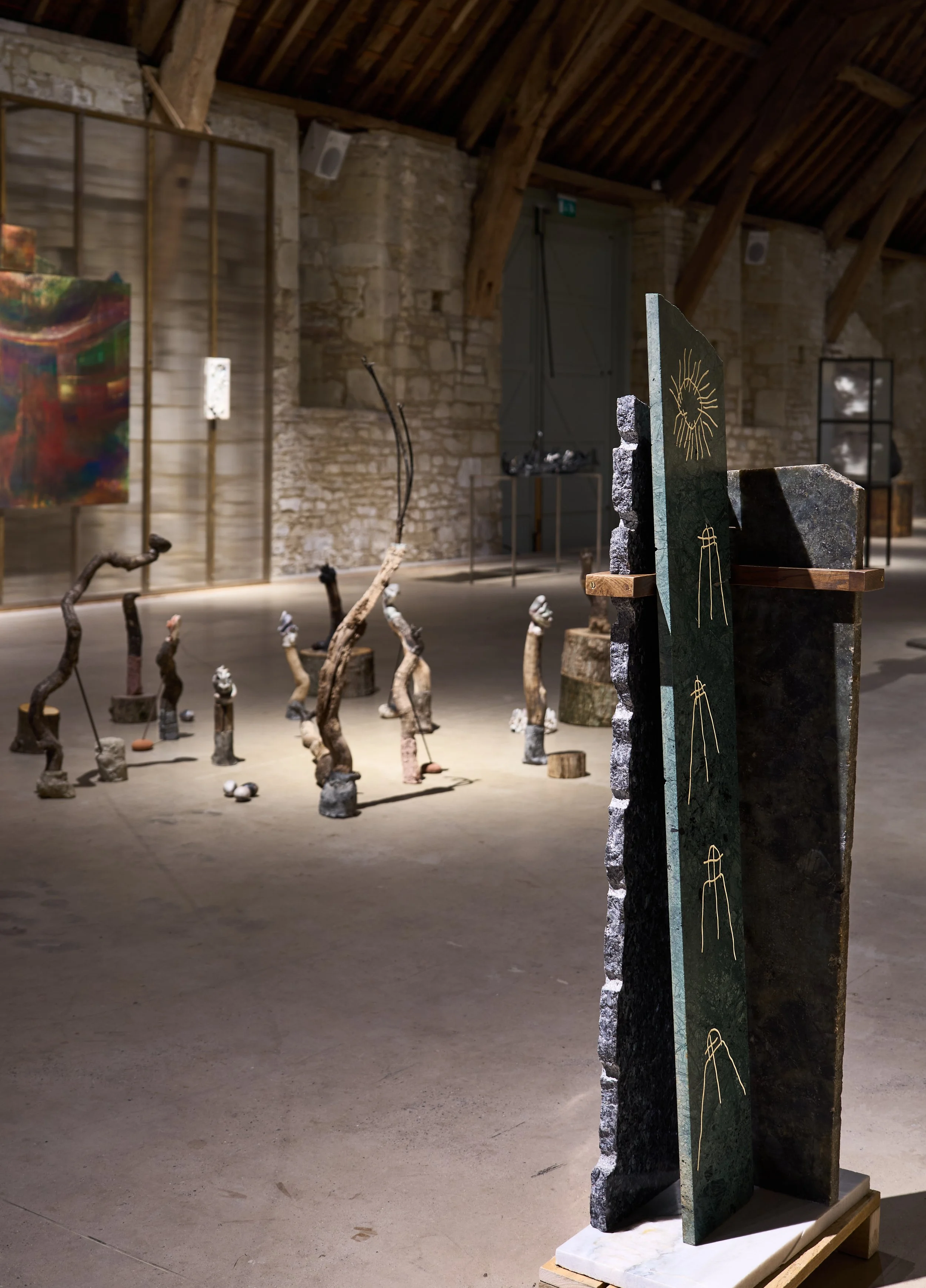
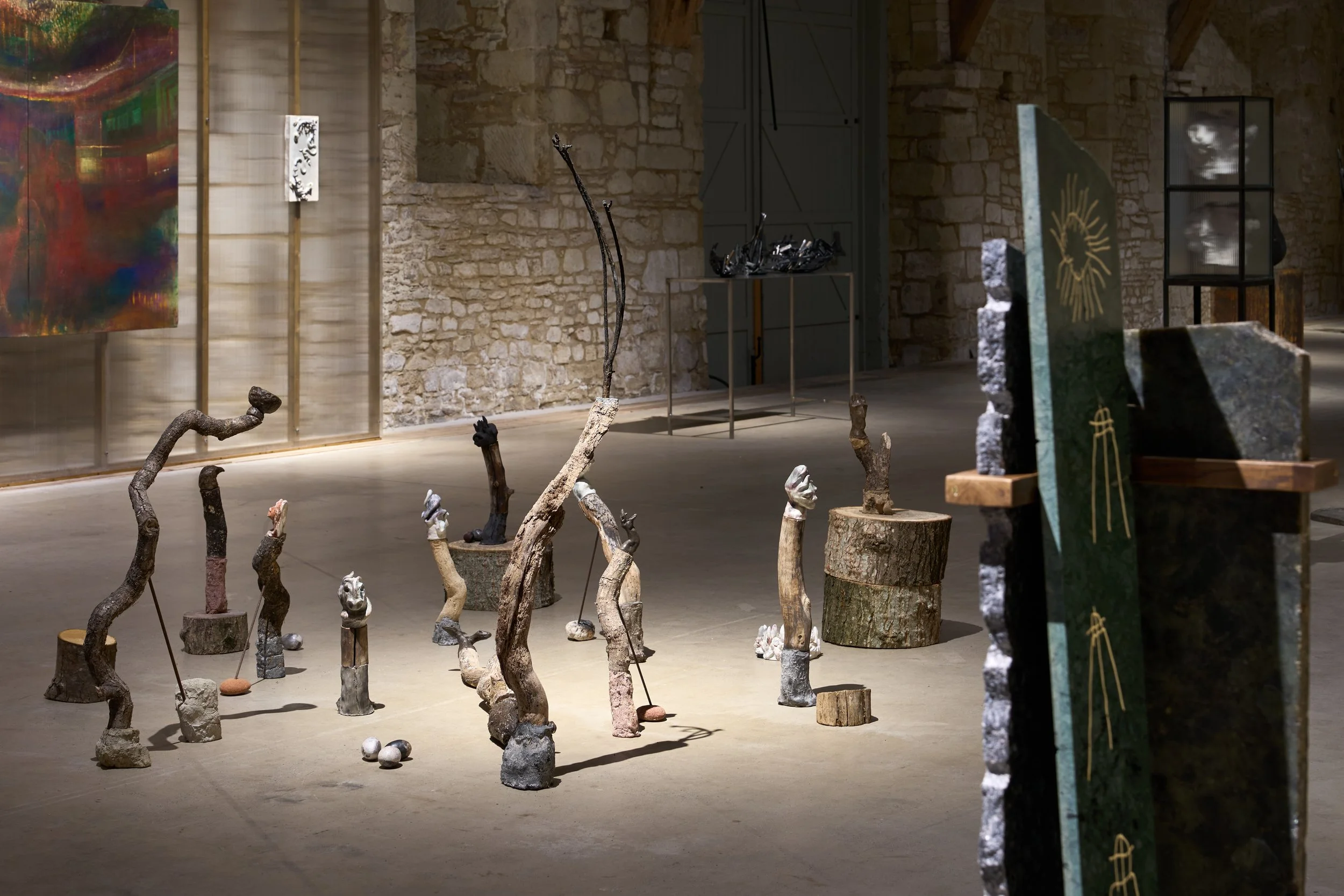
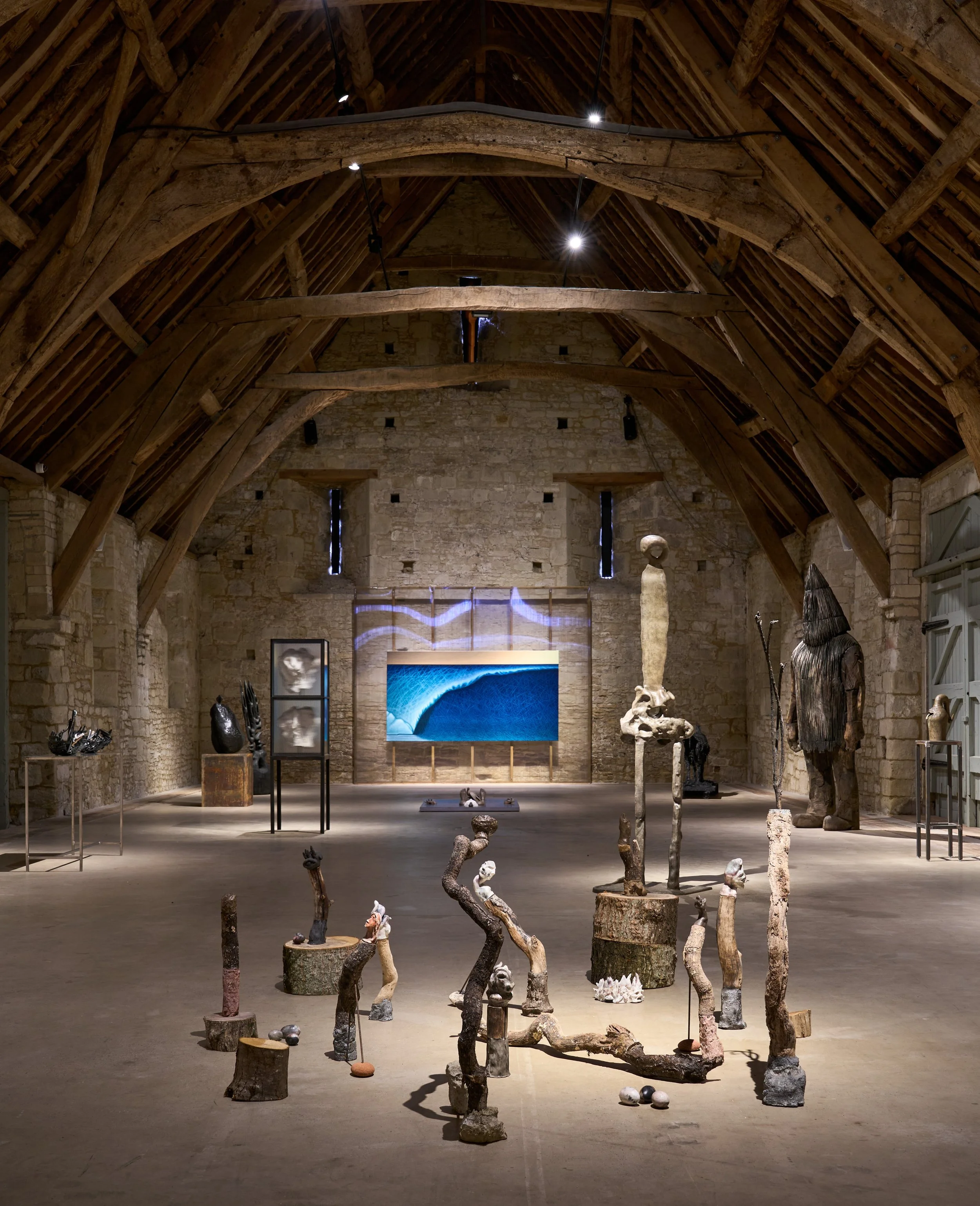
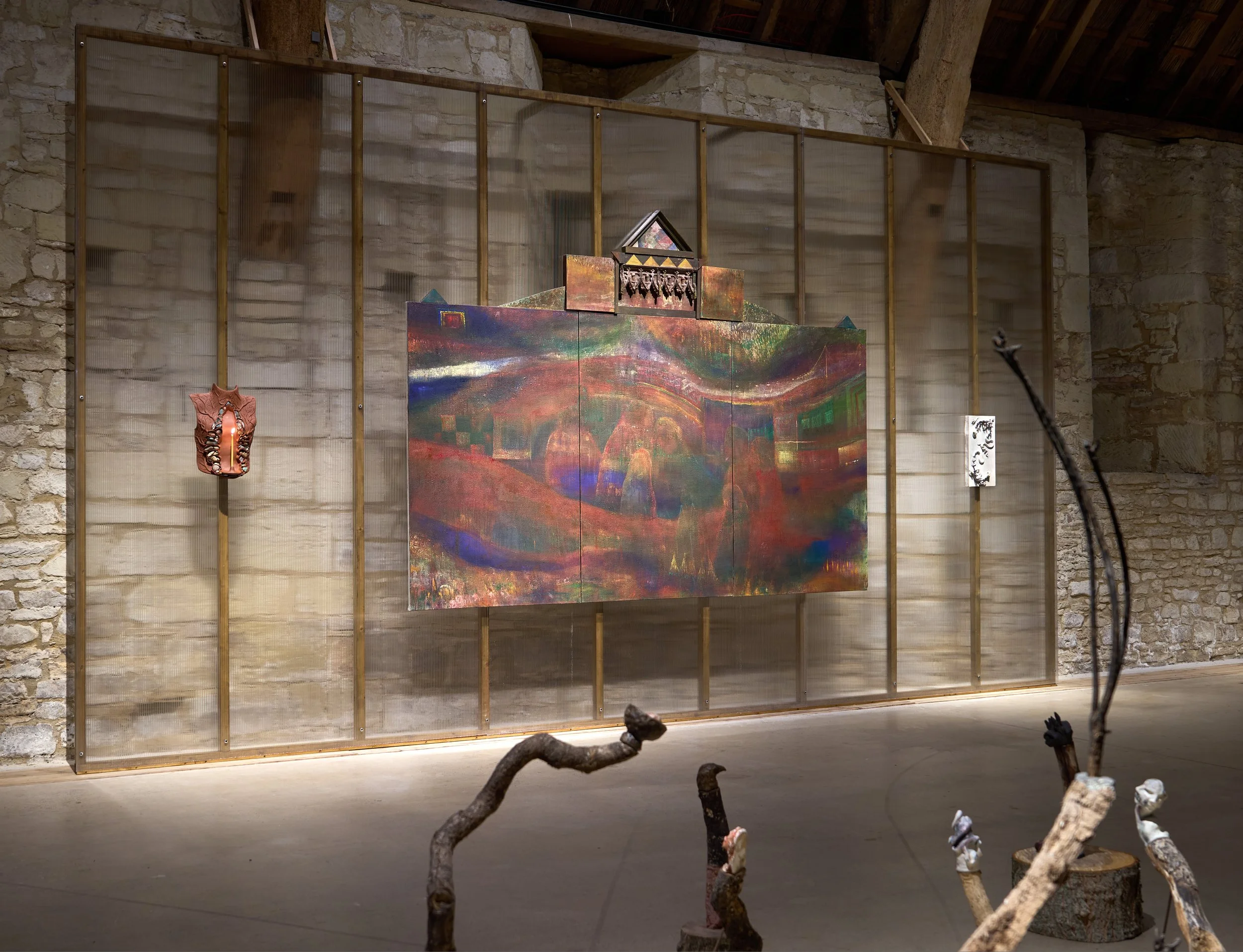
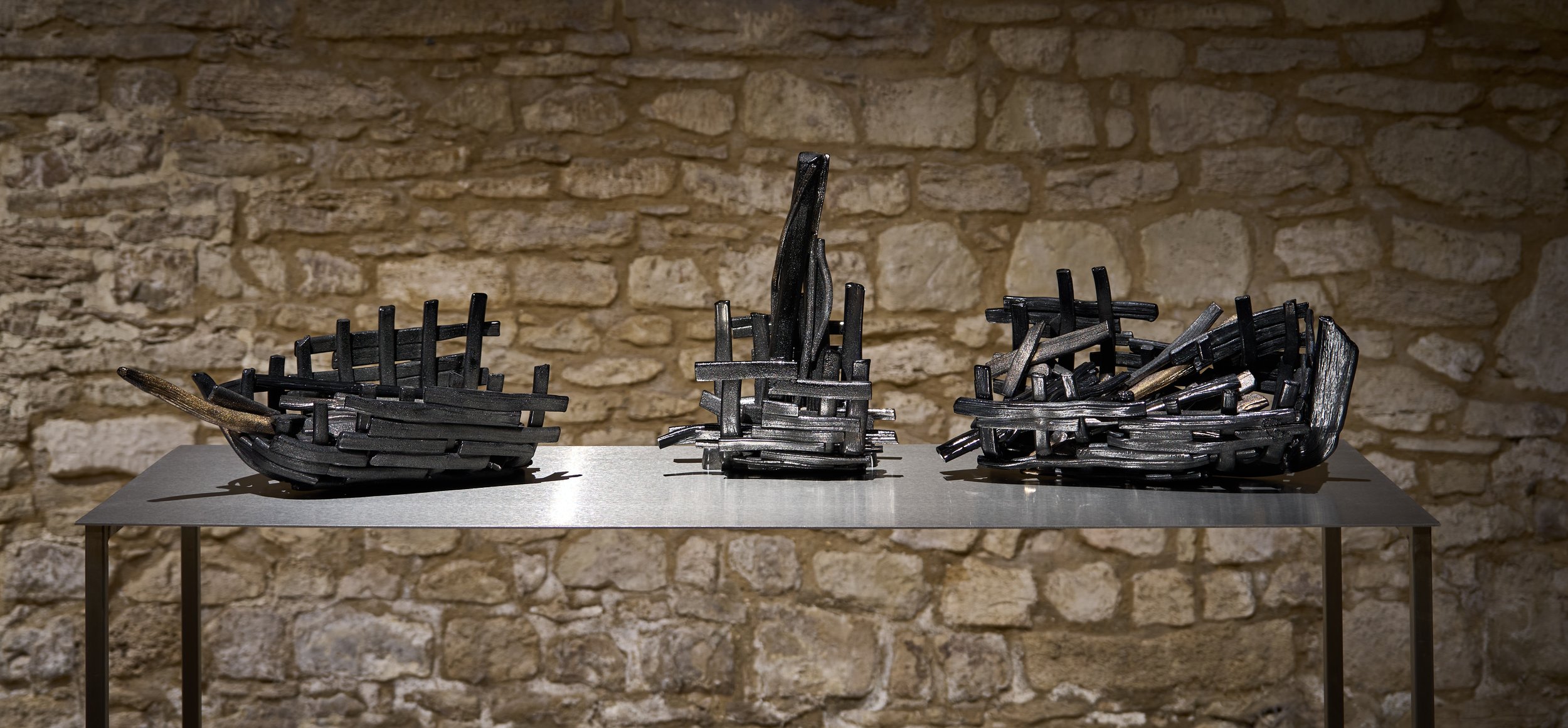
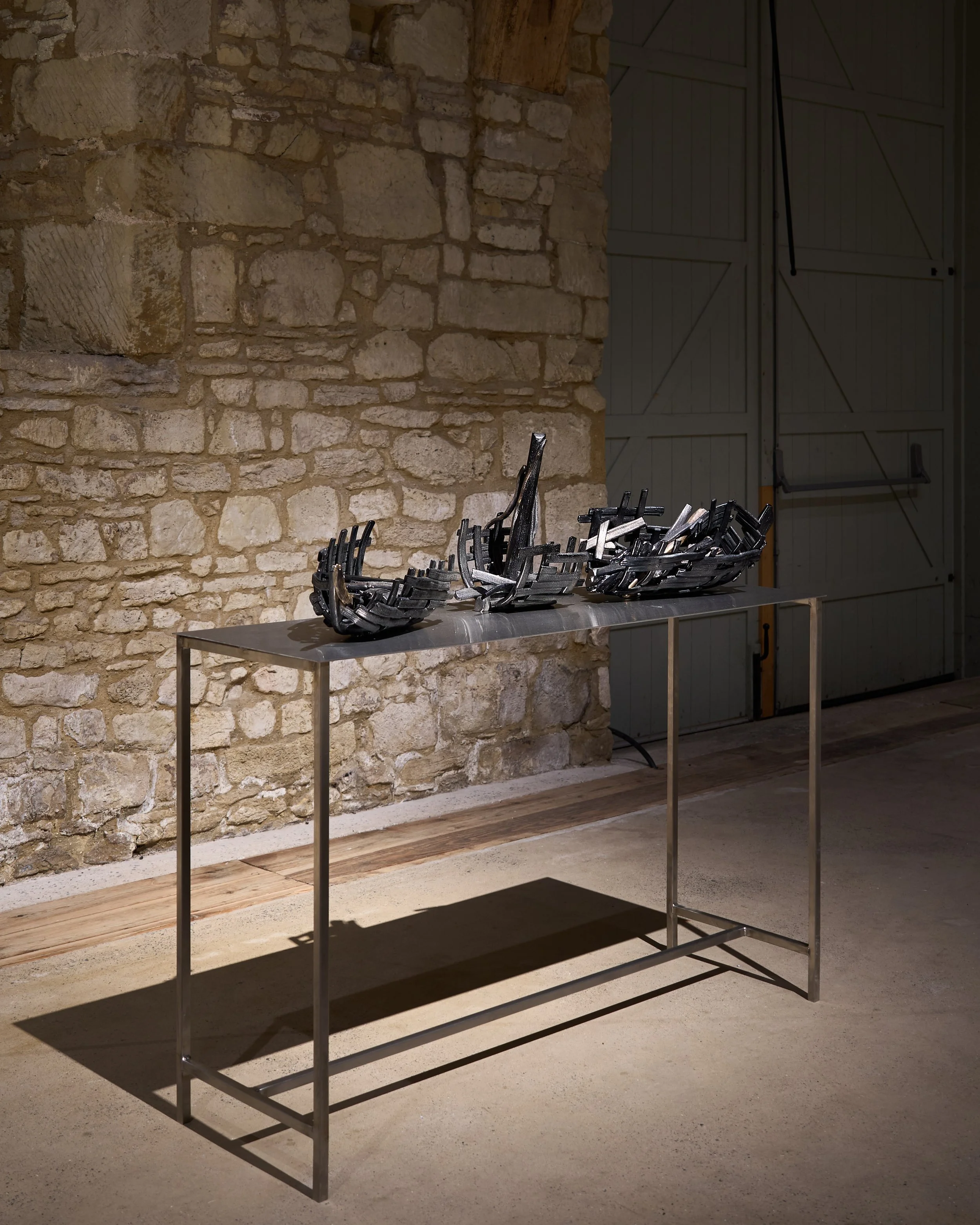
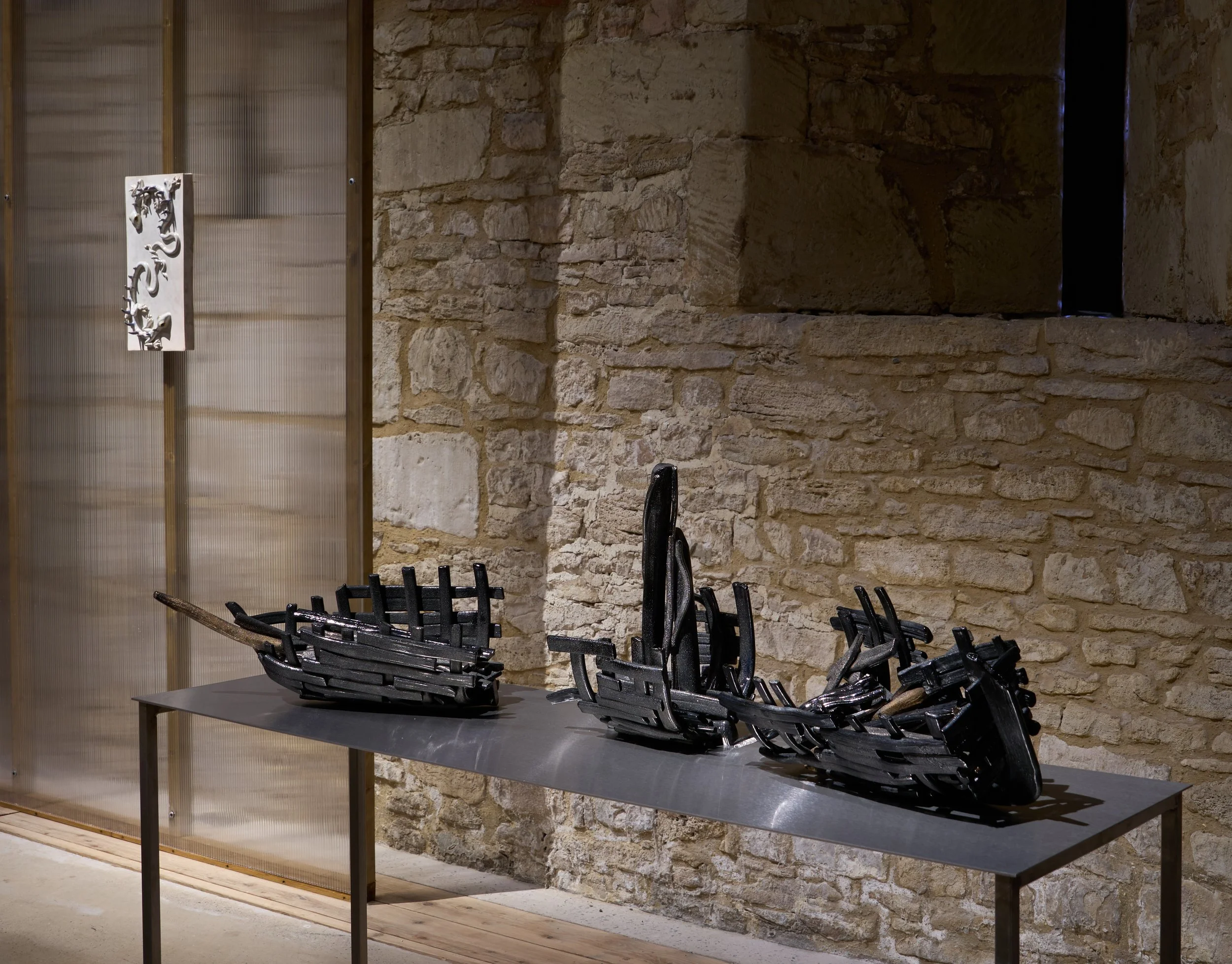
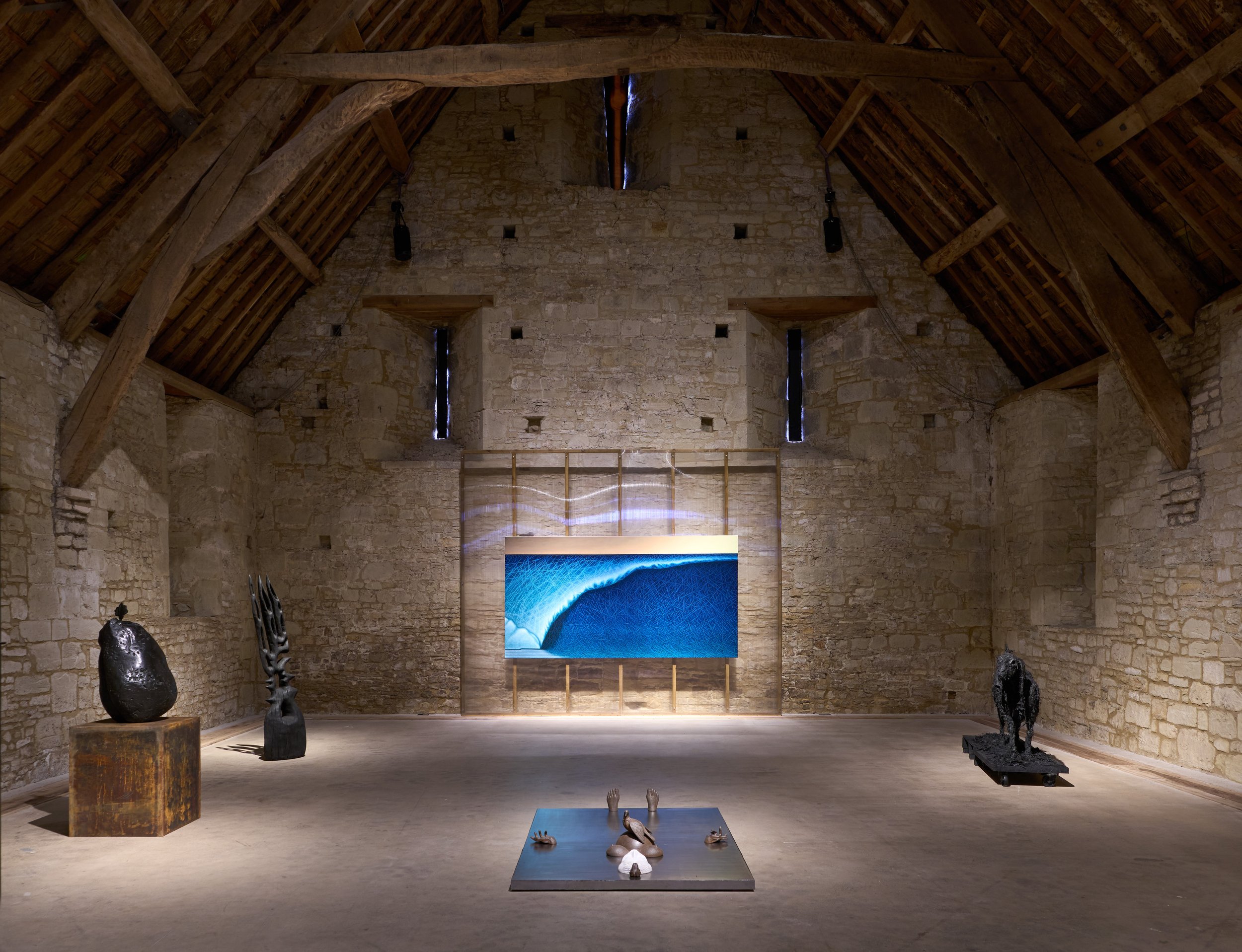
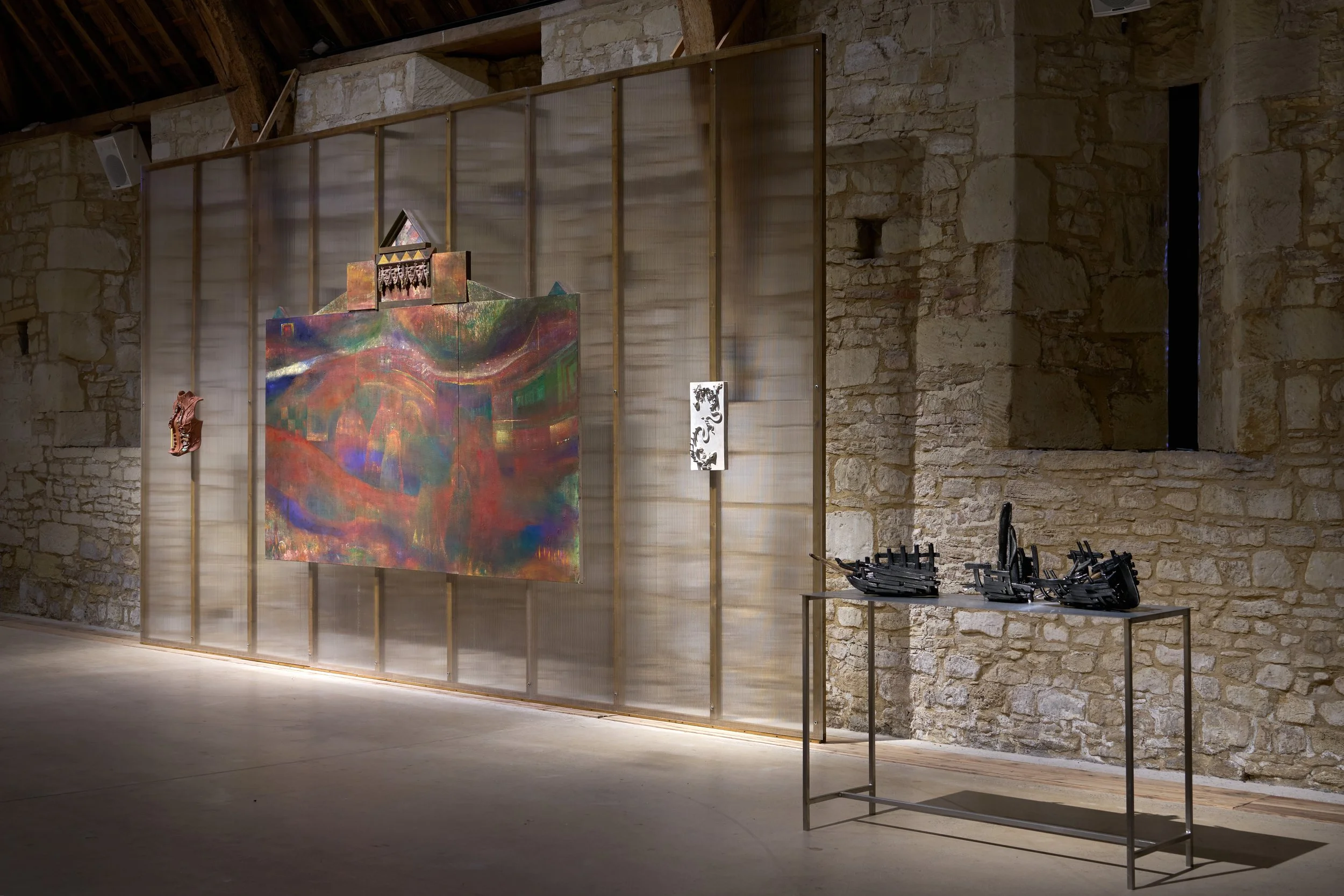
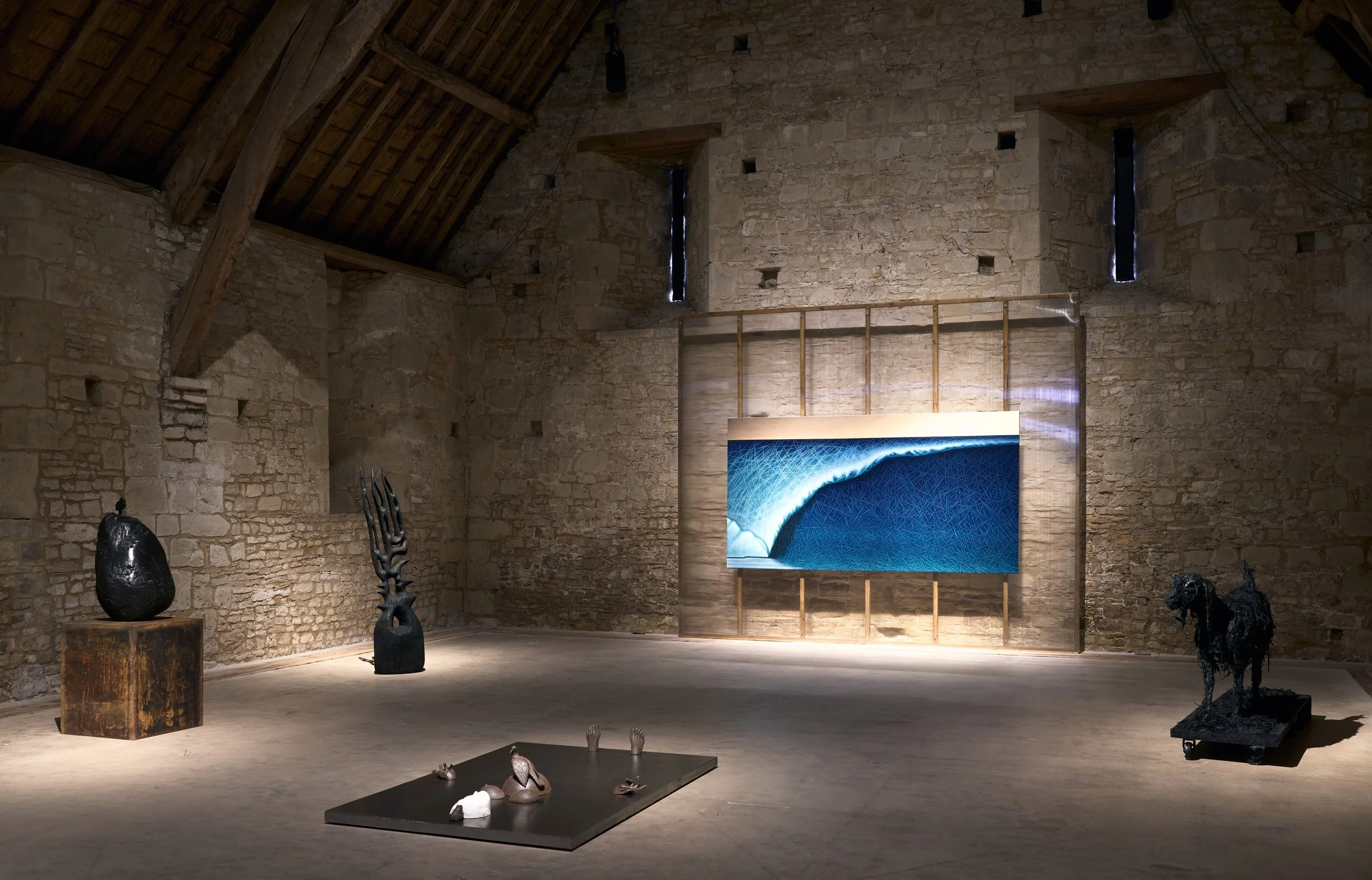
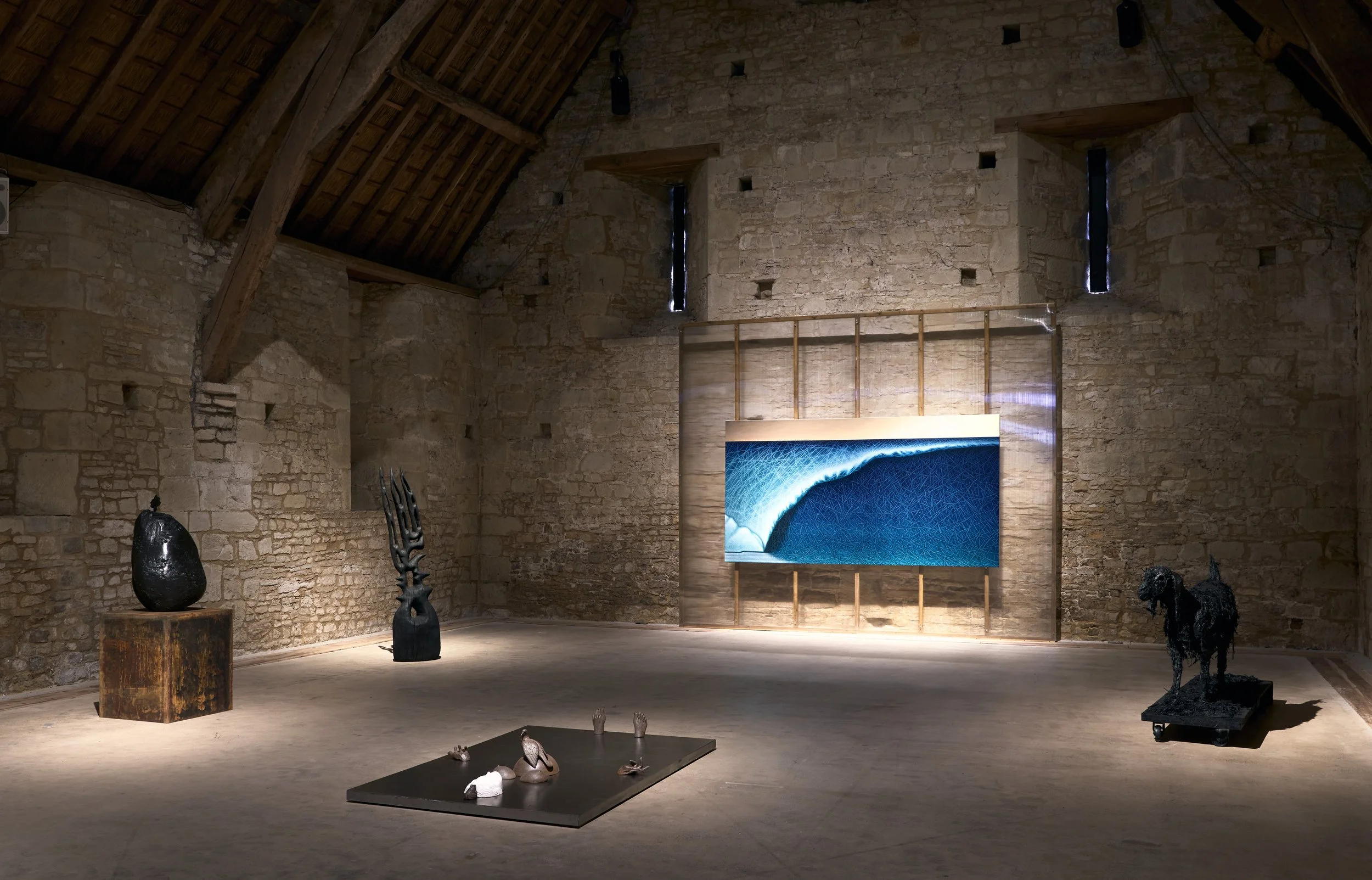
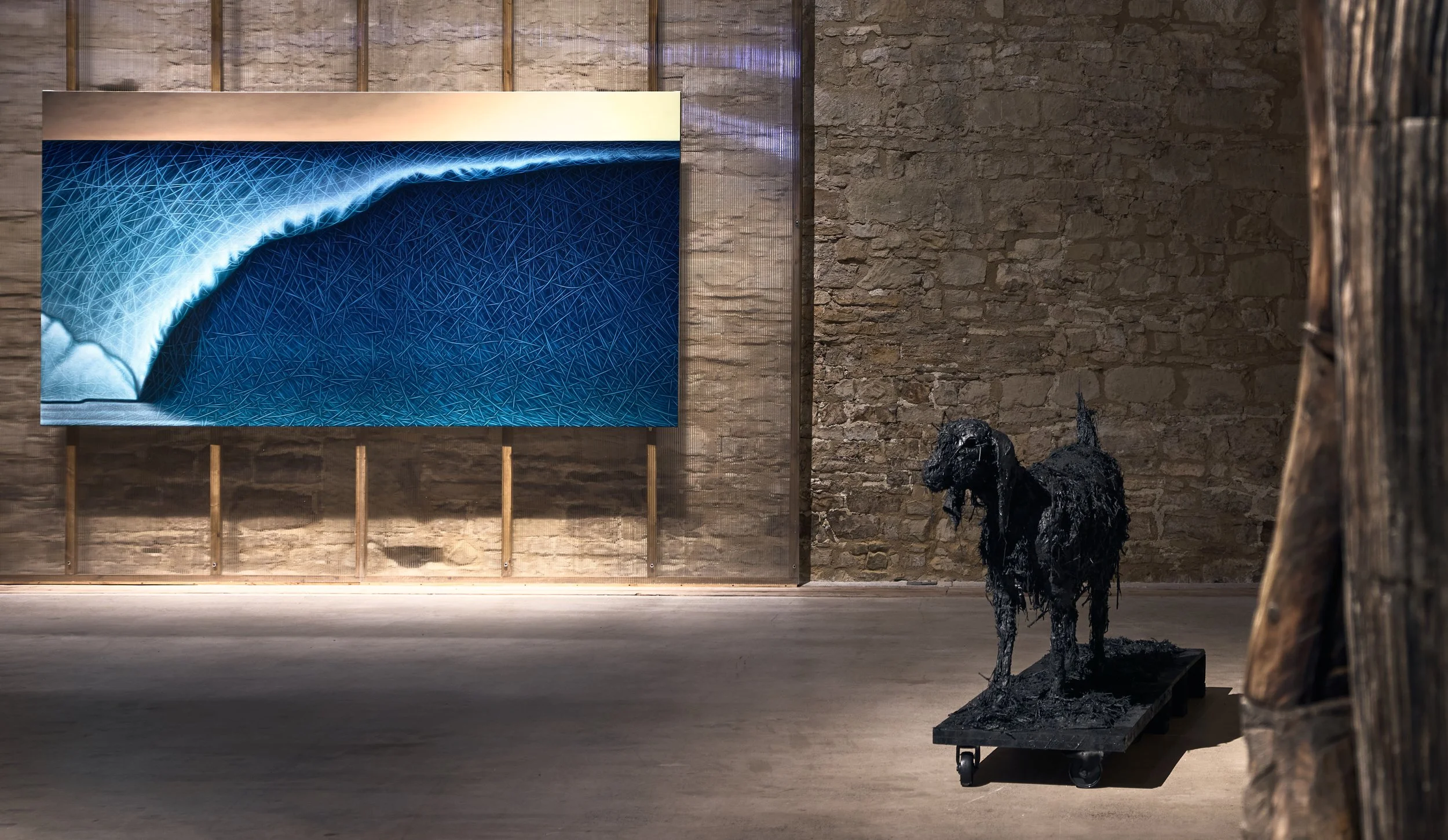
PELT is a group exhibition due to be presented in January 2026 at the Old Waiting Room, a historic space located above Peckham Rye Station, originally constructed during the Victorian era. The site’s layered history provides a resonant context for an exhibition concerned with the surface as a site of memory, transformation and mortality.
The exhibition will examine the dual role of skin as both a symbolic and material threshold, a subject long embedded in art history and increasingly central to contemporary discourse surrounding the body. Through painting, sculpture and installation, the participating artists address the visual and cultural tension between the representation of aging flesh and the pursuit of idealised perfection.
ARTISTS:
Hester Finch
Hynek Martinec
Ana Milenkovic
John Moran
Boo Saville
John Stark
Dominic Watson
Roger Weiss
Mathew Weir
Scarlett Budden
Poppy Cauchi
David Cooper
Jamie John Davies
Cristiano Di Martino
Kate Dunn
Annie Edwards
Laurence Edwards
Ruben Eikebo
THE ARTISTS:
-
(b.1998 London, UK) Scarlett Budden is a British figurative painter working in London. Her work focus on the complexities of spectatorship and voyeuristic exploits within both cinematic practices and the traditions of figurative painting. Budden’s paintings centre around the theme of control and examine the power dynamic between the artist, the subject, and the viewer. By editing and magnifying the female body, she shapes the narrative, transforming the observed into the observer. She completed her BA Hons (First Class) in Fine Art at Newcastle University in 2022. Recently, she completed her MA in Painting at the Royal College of Art. She is currently a resident at Studio West Arts and has exhibited both in the UK and internationally.
-
Poppy Cauchi is a sculptor whose practice transforms the quiet rituals of daily life and the invisible weight of psychological survival into tactile, emotionally charged forms. Drawing from her background in prop-making, she creates sculptures that merge technical precision with a deeply intuitive exploration of dissociation, trauma, and transformation. Her work often reflects a compartmentalised view of the world, filtered through the lens of someone navigating disconnection from their body and mind, rendering the familiar strange, and the mundane profound.
-
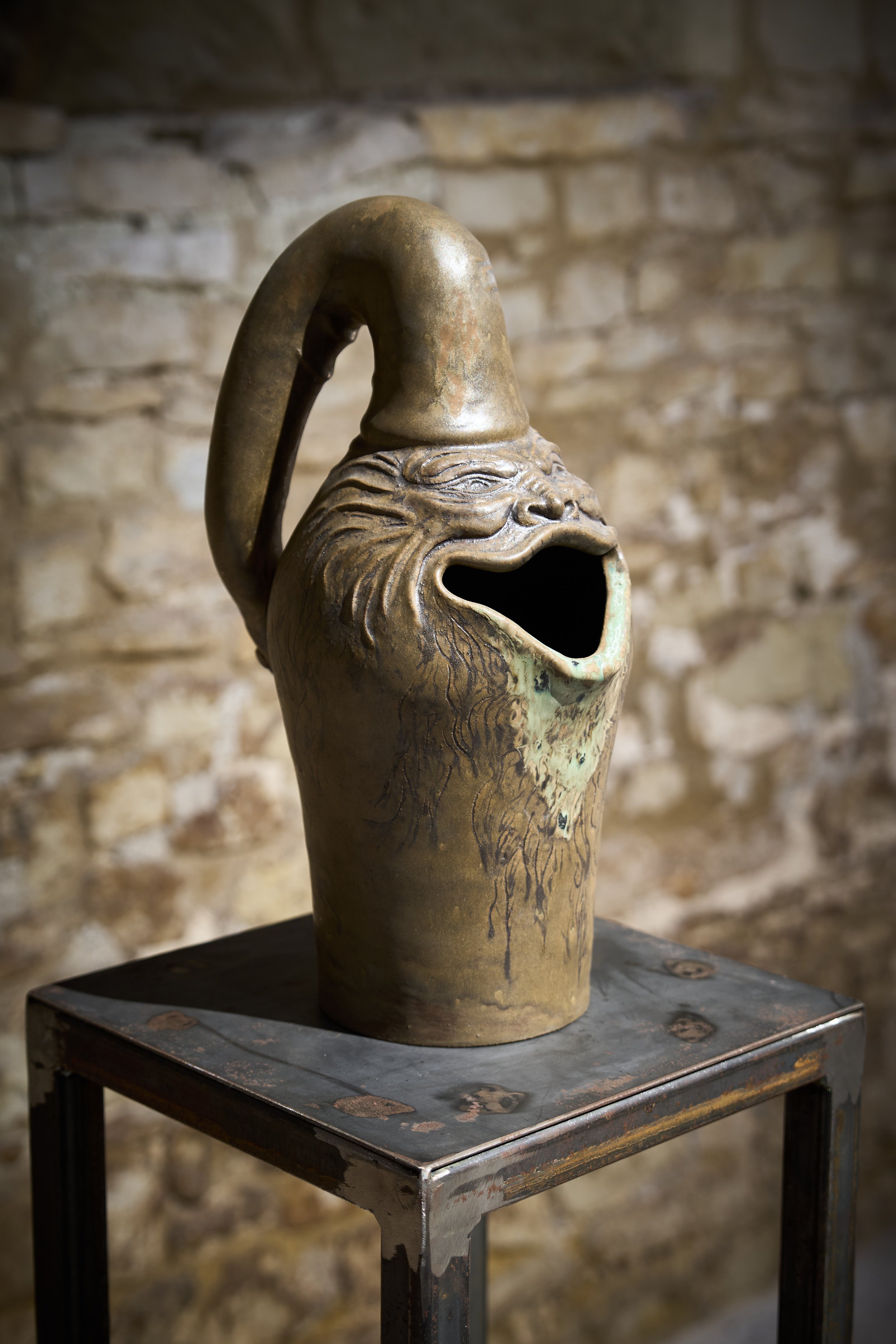
(b.1972, United Kingdom) lives and works in Suffolk. His work deals with disorder, taking fragments of found, disregarded objects and exploring them inside-out, and outside-in, through a series of unpremeditated and intuitive processes in three-dimensional form. The works inquire into a humanity that feels, fears and confronts restriction and control; a state of being often conducive to an abominable sense of desolation and fettered anxiety. These unknown (and unknowable) aspects of the human condition, driven by momentary absences of restraint, stricture and control are embodied. Broken happenings, motivated by instinct, assemblage techniques and random thoughts, naivety and energy are exploited to sculpt the identity of these unfathomable aspects of human experience. Cooper studied fashion at John Moores University followed by an MA in Fashion Design at Central Saint Martins where he went on to become lead designer and head of menswear at Alexander McQueen. More recently Cooper attended Fine Art summer school at the Slade School of Fine Art in 2008.
-
(b. 1986, Wales) Jamie John Davies is a London-based painter whose work examines the complexity of the human condition through found imagery and a layered, often discordant visual language. Informed by the philosophy of absurdism, his work explores the human drive to construct meaning, coherence, and purpose within a world that frequently resists such impositions. Approaching human behaviour with analytical detachment, his practice explores the irrational and instinctive; tracing vestigial social imprints and culturally ingrained routines through which we attempt, futilely, to make sense of the world we inhabit. The work often borders on the irreverent, not with the intention to provoke, but to defamiliarise; seeking to render the habitual as strange and foreground its underlying contradictions. A recurring motif in his work is the depiction of abject aspects of the human body, such as blemishes, rashes, and missing teeth. Removed from conventional aesthetic or symbolic frameworks, these fragmented bodily elements underscore the strangeness of embodiment itself: the condition of consciousness tethered to a vulnerable physical form. In this context, the body is not idealised or expressive, but fragile—an unstable structure subject to degeneration, fallibility, and inevitable decay.
-
(b.1989, Italy) lives and works in London. His works are strongly influenced by his Italian heritage.
He uses the iconographic symbols that surrounded him in his youth as a signifier of sentiment: impressing upon them his own shifting outlook on the natural world and the transience of our human condition. Within his work he explores opposites: beauty and horror, good and evil, love and hate, life and death. The coexistence of violence and spirituality and the perpetual cycle of creation, destruction, and rebirth. The relation between our finite existence and the seemingly eternal cycle of nature is a central theme in Cristiano’s work. In his installations and sculptures he envisions a dimension where the plant and animal world synchronises with bodily forms to forge a single symbiotic entity, underlining the similarities between our body and the environment, from which we find ourselves in increasingly detached.
-
(b. 1993, Edgware, UK) Kate Dunn’s practice takes the form of painting, installation and writing. Much of her work pairs painting with sound and lighting, creating multi-sensory experiences that question our connection to devotion and faith. This has manifest through a trash trance chapel; a tabernacle of gothic altarpieces and gabber music; and a monk’s scriptorium turned multiverse. The artists most recent work looks at the concept of the tacky sublime, questioning the sacred power of objects when the world has fallen apart.
-
Annie Edwards’ essential area of focus is the human body. Her multidisciplinary practice distorts our familiar sense of reality by incorporating robotic, figurative sculptures with abstracted skeletal forms. Annie’s installation and performances aim to understand the body from biological, psychoanalytical and social perspectives. Her research choreographs the tension between body and machine, embedding visceral knowledge into mechanical gesture. Annie references wider systems of control present in domestic, medical and industrial environments, drawing on her personal experience of trauma, neurodiversity, atopic illness, and her background in farming.
-
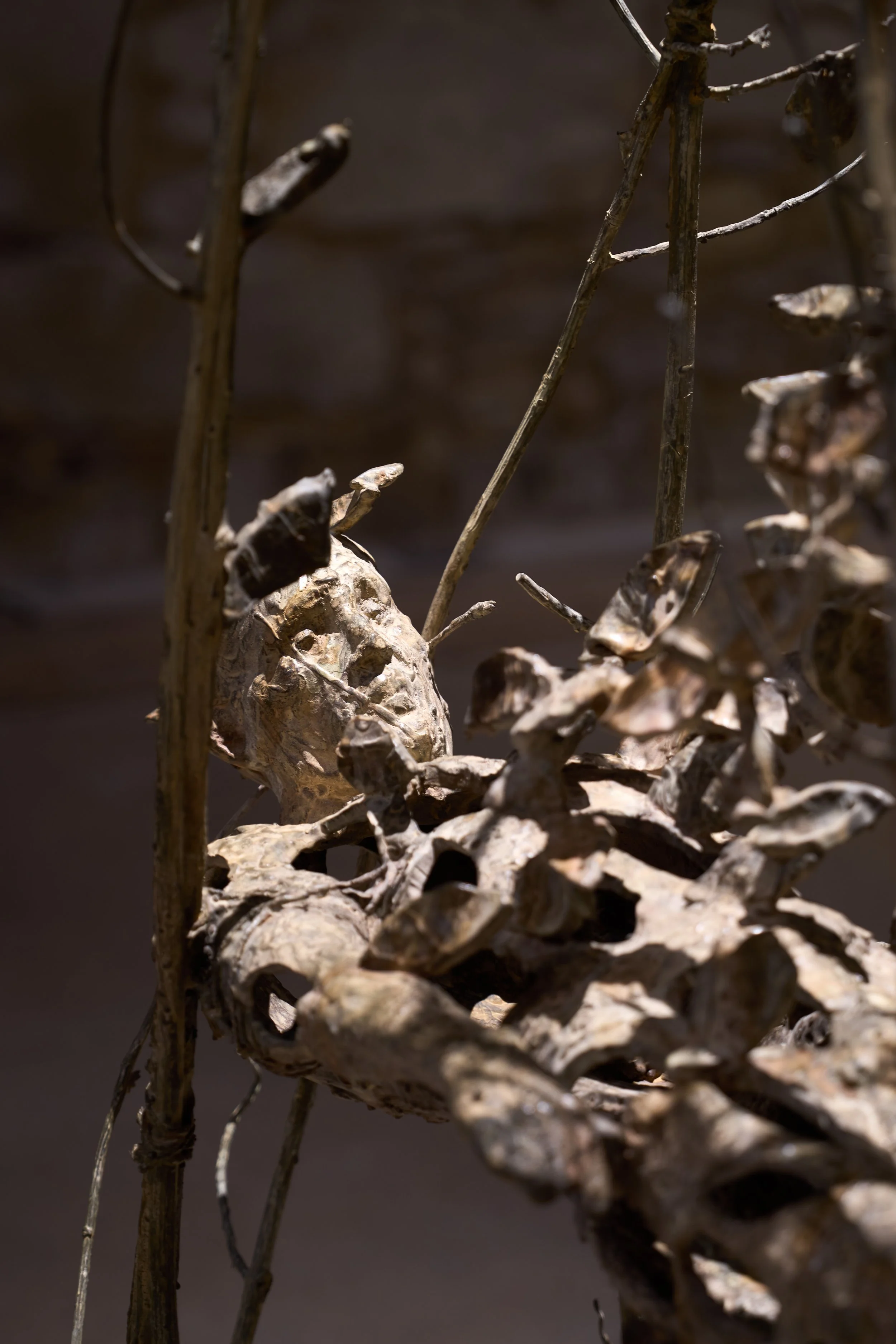
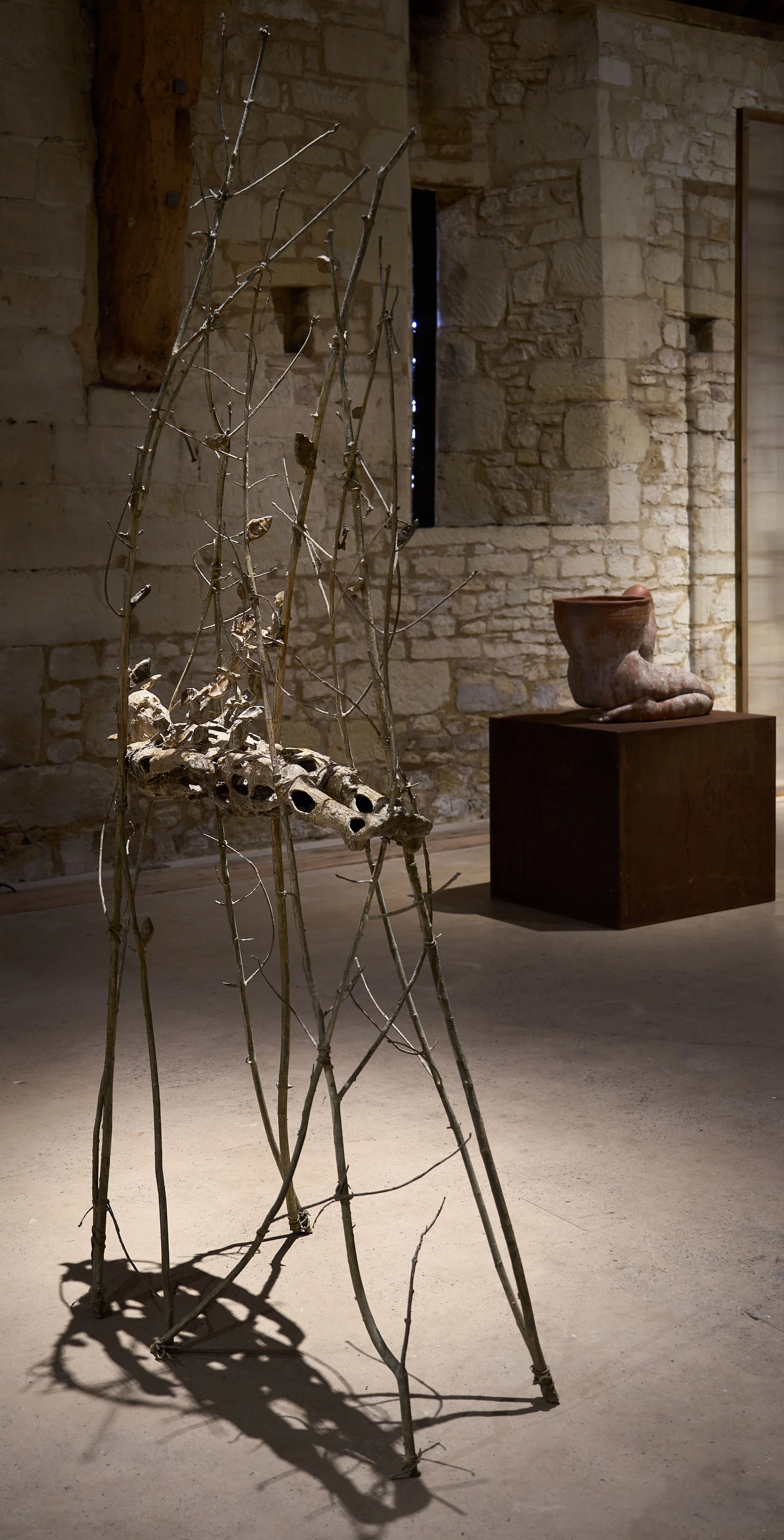
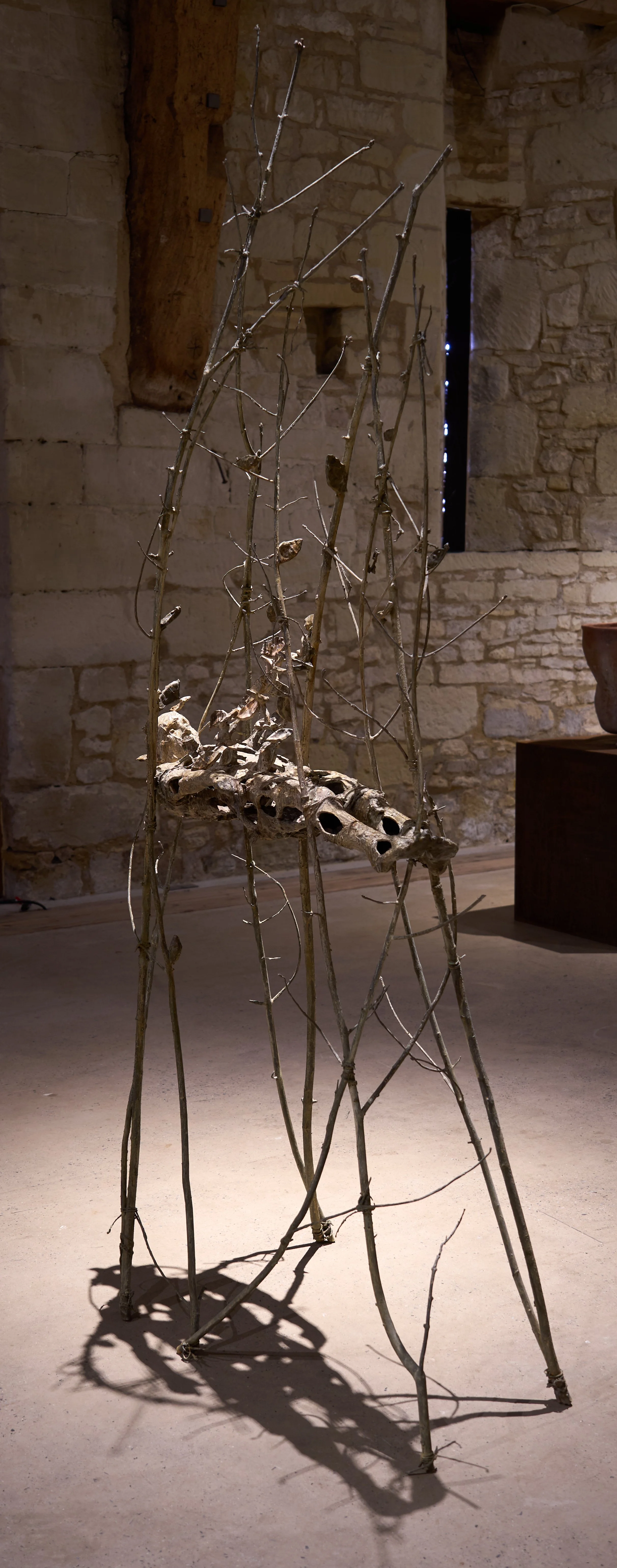
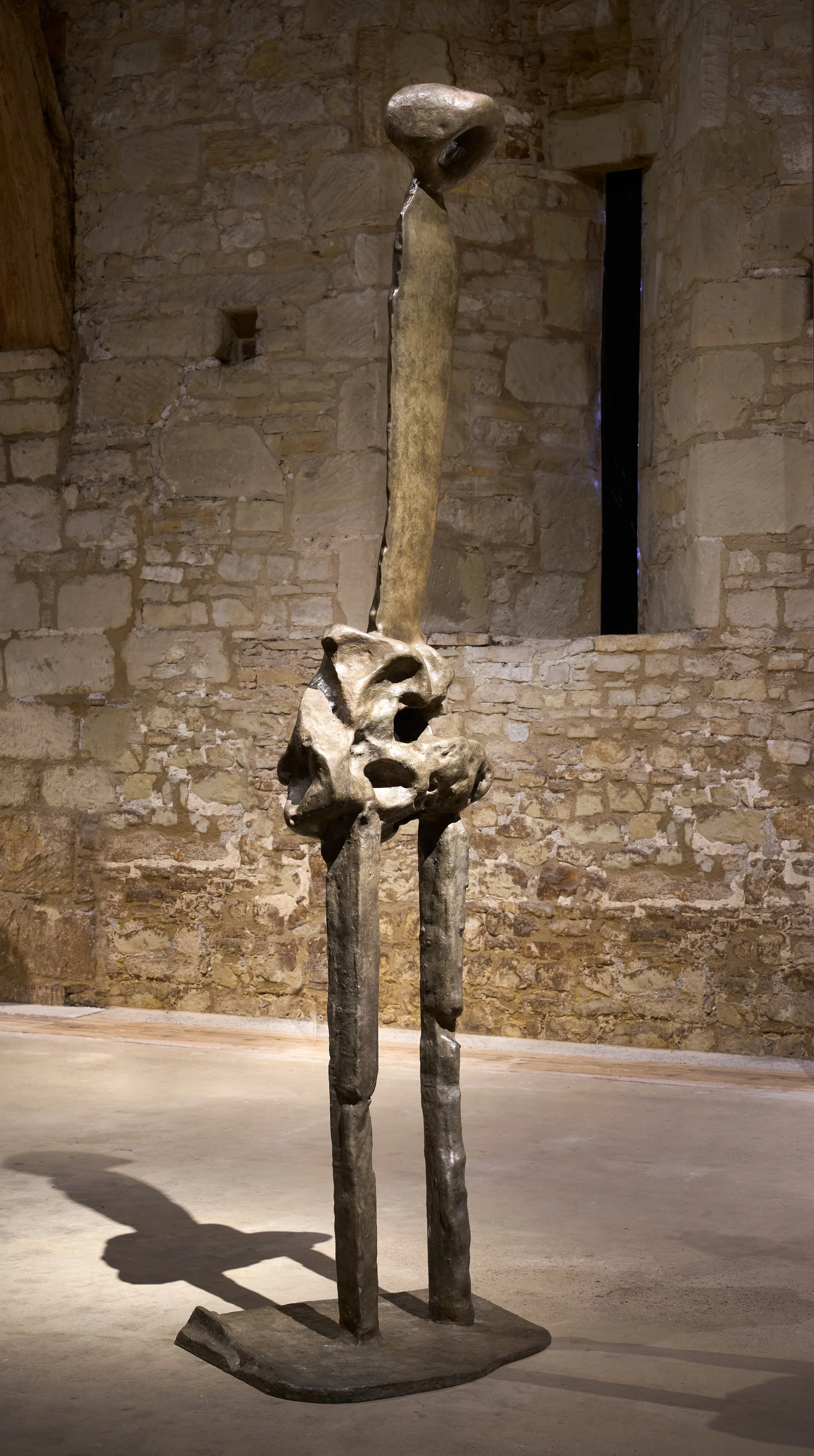
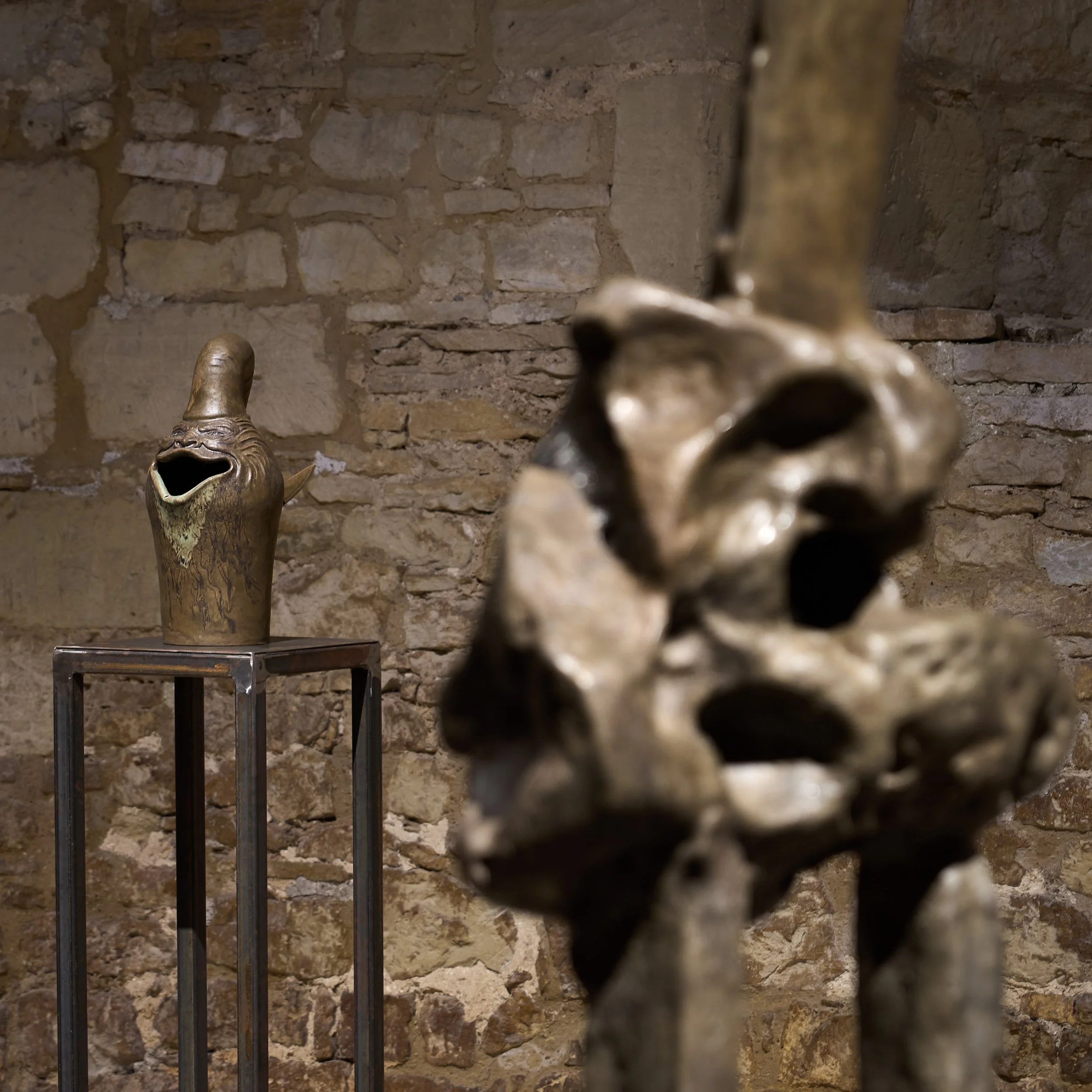
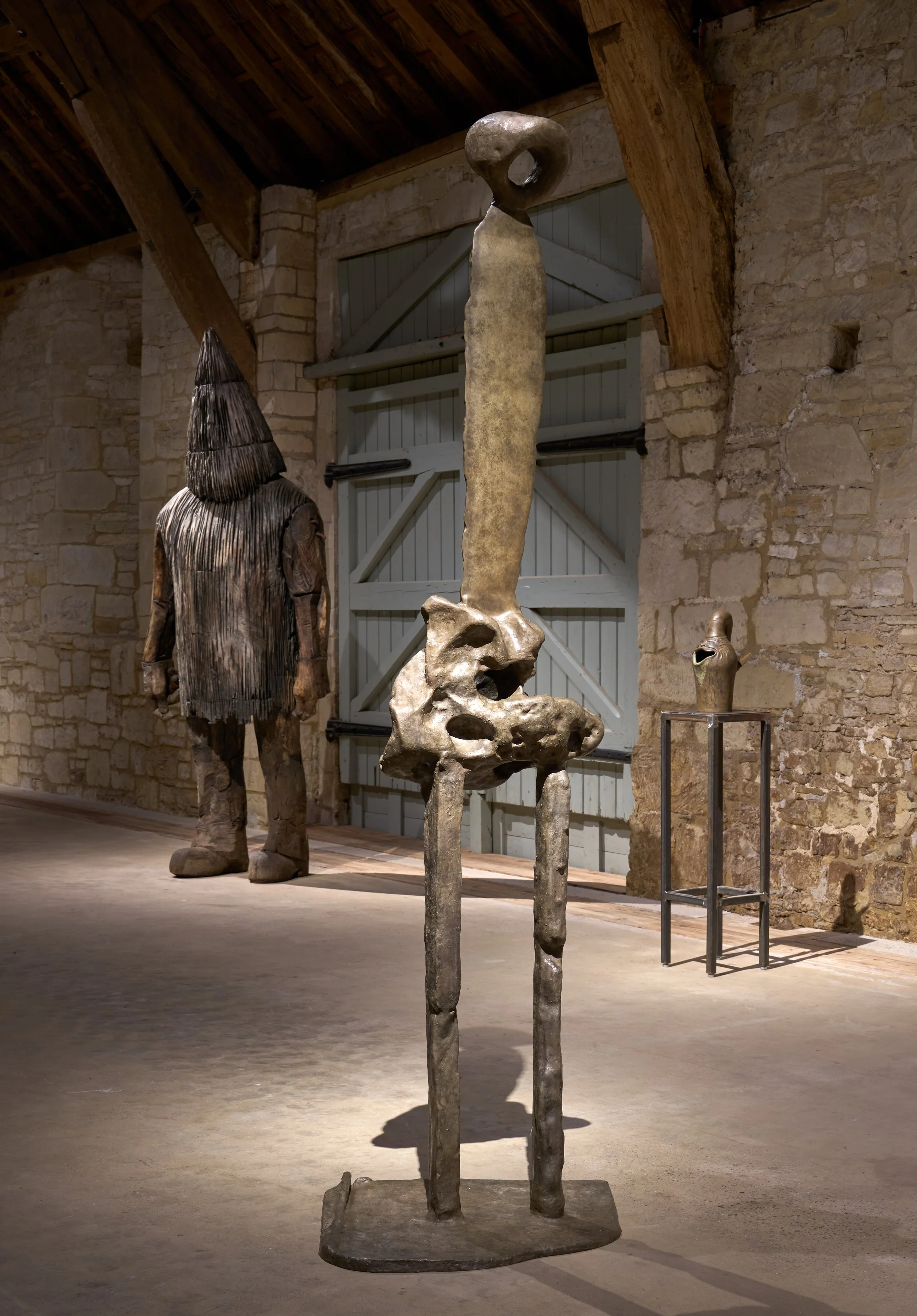
Laurence Edwards’ practice has long been preoccupied by the entwining of man, nature and time. One of the few sculptors who casts his own work, he is fascinated by human anatomy and the metamorphosis of form and matter that governs the lost-wax process. The driving force behind his work is bronze, an alloy that physically and metaphorically illustrates entropy, the natural tendency of any system in time to tend towards disorder and chaos. His sculptures express the raw liquid power of bronze, its versatility, mass and evolution, and the variety of process marks he retains tell the story of how and why each work came to be.
-
(b. 1988, Norway) based in Bergen, Norway, Ruben Eikebø works with painting as a way to examine the human condition and the spiritual dimensions of existence. He is interested in the deficent and underdeveloped aspect of the human state. By combining surreal landscapes and fragmented bodies his works unfolds a melancholic and contemplative atmosphere.
Eikebø holds an MFA from the Art Academy in Bergen (2018). His work has been presented in several national exhibitions, including at LNM (The Norwegian Association of Painters), Bomuldsfabriken Kunsthall, and Gyldenpris Kunsthall. His paintings are represented in the collections of KUBE Art Museum, REV Ocean, and other private collectors.
-
(b. 1981, UK) With an interest in how our day-to-day lives and relationships are filtered through technology, Finch’s practice plays with the crossover between painting and digital media, often combining digitally printed imagery with traditional analogue mediums such as oil and charcoal. She pulls imagery from myriad sources – from Terminator and Robocop to double-ended horses, dick pics and the male life model – exploring ideas of sex, power, violence and the places where pleasure and disgust meet. Her more recent work has included a shift toward working with unorthodox supports such as found domestic fabrics, seeking to create an environmentally sustainable practice that is loaded conceptually but light physically.
-
(b. 1980, Czech Republic) Hynek received the prestigious BP Young Artist Award (2007) for his hyper-realistic portraits. His paintings are inspired by old masters and photographs, which link the past with the future using modern technologies. He has gained recognition for his dark, haunting imagery that comments on life and death, and engages with historical artistic trends. The painter frequently borrows elements from the old masters and situates them in a present-day context. References are also made to literary-philosophical texts and spiritual subjects explored.
-
(b. 1988, Belgrade) Ana Milenkovic lives and works in London. She holds an MFA from Wimbledon College of Arts, University of the Arts London, as well as MFA and BA from Faculty of Fine Art, University of Arts in Belgrade. Milenkovic is the recipient of UAL/Clifford Chance Sculpture Award, Griffin Art Prize and Prize for Innovation from the Milos Bajic Fund. She is a studio artist at Studio Voltaire, London and founder & creative director of Hammer & Hardie mosaic studio.
-
John ‘sleepy’ Moran is a contemporary artist, using glass as his primary medium. He seamlessly blends impeccably sculpted glass components into representational sculptures, weaving in fabric, found objects, resins, and a variety of other materials into his work. He creates lifelike objects and emotionally charged installations that give the viewer pause in both their concept and their stature. For more than 25 years, Moran has worked to master glass as a material while refusing to be allured by the beauty and purity traditionally associated with it. His narrative, sculptural works are made primarily from molten glass, but infused with a variety of other materials. His custom made clothing, encapsulating environments, and meticulously selected, aged, and/or altered mixed media elements are a testament to his dedication to combining conceptual, critical thinking with beauty and craftsmanship. His unconventional approach and material use are unique in contemporary art.
-
(b.1980, Norwich) Boo Saville is known for making large-scale abstract paintings alongside small-scale figurative works. Known for her multifaceted practice, Saville’s abstract paintings reflect a deep commitment to colour as a contemplative and perceptual experience. Built through multiple layers of oil paint, the interactions and composition of this colour, explore how surface and colour can tell a story. In contrast, Saville adopts a non-narrative approach to figurative painting. Sourced from online materials, these works arise as quiet reflections. Filtered and detached, they explore fleeting thoughts that surface during the process of making abstract paintings. Saville’s practice investigates the phenomenology of memory and perception. Through the surface of painting, she explores the stories we tell ourselves, and the ones we inherit.
-
(b. 1979, UK) Stark graduated from the Royal Academy Schools, London in 2004. He currently lives and works in Glasgow. Drawing from past painterly traditions within the still life genre and photorealist techniques, Stark’s nature morte interiors of everyday life seek out a personal poetry within the relationship of things. Although the objects within his still lifes are not intended to be read as symbolic, themes such as presence, memento mori and the transience of life are constantly addressed. Recent solo exhibitions include: Feed Your Demons, Connersmith, Washington DC 2023 / Witchsploitation Paintings, invited by Koenig Zwei @ DIT Vienna 2022, and Alcove Paintings, Heike Strelow, Frankfurt 2018.
-
Dominic Watson was born in Sunderland, UK 1986. He studied sculpture at Camberwell College of Art, London, and then an MFA at the Glasgow School of Art in 2014. Since graduating he was selected for New Contemporaries 2013 as well as the London Open 2015. Watson was a recipient of the John Kinross Fellowship, 2014, awarded by the Royal Scottish Academy and received a Fellowship in Contemporary Art Practice from the British School of Rome in 2017. His work is part of the RSA and the Ingram Collections. Exhibitions include Testament Goldsmiths CCA (2022), “Goody-Goody” Lumpsome St Chads (2023), God Bless Strawberry Jam, Cob Gallery (2023), Cucumber Season Strange Cargo Arts (2025). Watson currently lives and works in Margate.
-
(b. 1977, Ipswich, UK) Mathew Weir lives and works in London. He graduated from the Royal College of Art, London, in 2004. He is best known for his highly intricate paintings that explore ideas between the history of representational objects, melancholy, death and beauty. Many of the paintings are constructed out of different elements from art history and found visual material to create scenes akin to dioramas or techniques employed in collage. Recent paintings use ideas of mark making, inscription and its relationship to violence and the landscape. Weir began to make drawings using his own blood in 2021. These drawings look at the role of pain in creative practice. Many images used are sourced from art historical contexts with references to war and apocalyptic scenes. Others invoke the symbols of emotional states such as depression, anxiety and sadness, as well as using details from early modern medical illustration which focus on the body, life and death.
-
The photographic work of Roger Weiss delves deeply into contemporary Anthropic identity. Weiss, a Swiss photographer, graduated summa cum laude from the Brera Academy of Fine Arts in Italy, re-elaborates human bodies through fragmentations, hybridisations, dilations, and photographic reconstructions, to reveal the archetypal form of the human being. Weiss’s work is more pictorial than photographic, capturing every nuance — each skin pore, hair, stretch mark, and detail — in sharp focus. His close-up perspective consistently begins from the base, ascending until the head gradually disappears. In his art, every element is central; nothing is arbitrary. Each detail has significance and weight, including the texture of the stool/pedestal supporting most of his figures, and the yellow dots used for focus during macro photography, which contribute to the distinctiveness of his creations. This unique approach offers an authentic and provocative look at the definition of beauty, changeling the stereotypes perpetuated by modern culture. The Human Dilatations series, from which Monolith and The Hug subsequently emerged, serves as a critical look and a call for a reflection on the abuse of these aesthetic canons.